📌 No-bake carnivore dessert: how to create ice cream using only cream, eggs, and butter
Posted 2 March 2026 by: Admin
A No-Bake Carnivore Dessert Without Plant Ingredients
The strict carnivore diet pushes a new frontier with a recipe that eliminates all plant traces: a dessert prepared exclusively from animal products. No sugar, no sweeteners, no plants — just three basic ingredients are enough to create a smooth treat in five minutes flat.
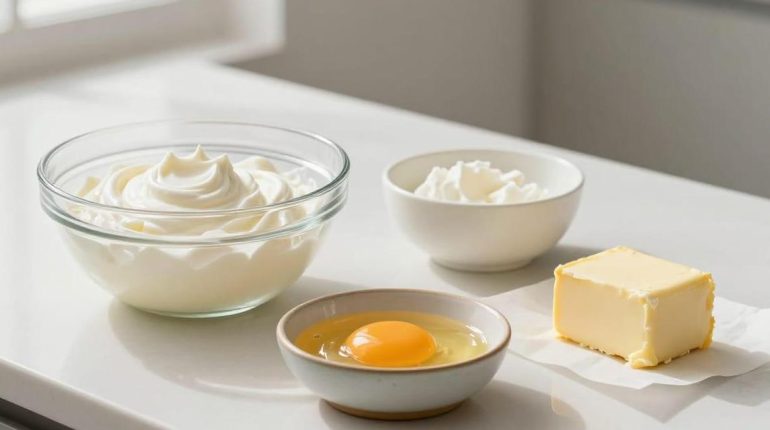
The preparation relies on a minimalist assembly: one cup of heavy cream, two pasteurized egg yolks, and two tablespoons of melted unsalted butter. The blender transforms these components into a velvety mixture without requiring any cooking. This radical approach appeals to pure carnivore enthusiasts who refuse any compromise with the plant world, even for a dessert.
The optional resting time of one to two hours reveals the full textural complexity of this preparation. The egg yolks provide the creamy structure, the cream provides the smooth fat, and the butter enriches the whole with a milky depth. The adaptable portions (one to two people) allow for testing this proposal without excessive commitment.
This recipe embodies the carnivore philosophy in its purest version: zero compromise, maximum simplicity. The total absence of plant ingredients — not even vanilla or cocoa — illustrates how far some practitioners push their dietary approach. The three essential ingredients are enough to create a rich taste experience, demonstrating that a dessert can exist without borrowing anything from the plant kingdom.
Authorized Ingredients and Strict Exclusions
The recipe imposes sharp dietary boundaries. Heavy cream, two pasteurized egg yolks, and two tablespoons of melted butter constitute the indispensable trinity. These three animal components form the non-negotiable base of the carnivore dessert.
Strict followers can enrich this minimalist foundation. Beef tallow or ghee bring an additional dimension of fatty richness. A pinch of salt paradoxically enhances the natural sweetness of the ingredients without compromising carnivore principles — this mineral condiment remains the only tolerated addition beyond pure animal products.
The list of exclusions reveals the movement’s intransigence. Honey is banned despite its indirect animal origin. Fruits are proscribed without exception. Cocoa is categorically eliminated. Vanilla is excluded even in extract form. These formal prohibitions draw a clear line: no concession to the plant kingdom, even for ingredients universally present in traditional desserts.
The level of strictness determines the final choices. Some carnivores accept salt as a natural flavor enhancer. Others prefer beef tallow to reinforce the dessert’s animal identity. Salt remains the unique consensual tolerance, capable of amplifying milky and creamy flavors without introducing the slightest plant element. This rigor transforms each ingredient into a philosophical statement as much as a culinary component.
The 5-Step Blender Preparation Method
This rigor in ingredients translates into a disconcerting simplicity of execution. The blender assembly follows a logical sequence: heavy cream first, then egg yolks, then cooled melted butter, and finally optional salt. This methodical order guarantees a homogeneous emulsion without lumps or separation.
The temperature of the butter determines success. Melted but lukewarm, never hot — butter that is too hot would cook the raw egg yolks and compromise the desired silky texture. This thermal precaution constitutes the only technicality of a recipe otherwise accessible to absolute novices.
Mixing at medium speed lasts twenty to thirty seconds maximum. No more. This brief passage in the blender transforms the separate components into a thick, smooth, and creamy mass. The final texture emerges in less than half a minute, revealing a rich creaminess despite the total absence of sugar or conventional thickeners.
The contrast is striking between the brevity of the process and the sensory complexity of the result. Thirty seconds are enough to obtain a dessert base that rivals in density preparations that normally require cooking, tempering, or technical assembly. This minimalist efficiency immediately opens the question of tasting: consume immediately or modify the consistency through strategic refrigeration.
Two Tasting Modes for One Same Base
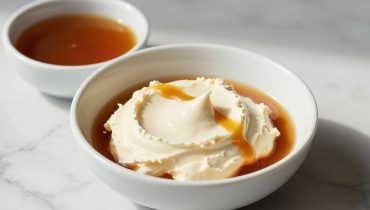
This half-minute preparation allows for two distinct textural trajectories. The pudding version requires one to two hours of refrigeration before eating with a spoon — the cold solidifies the fats in the butter and cream, transforming the liquid mixture into a thick, scoopable cream. This minimal patience rewards with a cold, dense smoothness without being frozen solid.
The frozen alternative shortens the wait. Thirty to forty-five minutes in the freezer are enough, provided the mixture is stirred halfway through. This intermediate stirring breaks up nascent ice crystals and incorporates air, generating a texture close to commercial soft-serve. The final consistency resembles artisanal ice cream without an ice cream maker or stabilizing additives.
The choice between these two options depends solely on the time available and personal preference. Same base, same nutritional composition, but radically opposite sensory experiences: silky pudding versus airy ice cream. This versatility transforms a single recipe into a repertoire of textures adaptable to the mood of the moment.
The frozen method, however, presents a time constraint — beyond forty-five minutes, the mixture hardens excessively and loses its creamy fluidity. Precise timing then becomes as crucial as the temperature of the butter during initial preparation, reminding us that even minimalist recipes impose their discreet technical requirements.