📌 Neem leaves: how this ancestral bitter plant supports glycemic balance and immunity according to studies
Posted 5 March 2026 by: Admin
Neem, This Millennial “Plant Pharmacy” That Intrigues Modern Science
For more than 3000 years, the bitter leaves of Azadirachta indica have held a central place in the traditional wellness practices of India and South Asia. Nicknamed the “village pharmacy” in some regions, this resilient tree now fascinates researchers who are methodically deciphering its bioactive compounds.
Phytochemical analyses have identified three key molecules: nimbin, nimbidin, and azadirachtin. These plant substances concentrate properties that attract the attention of leading scientific journals. Work published in Current Medicinal Chemistry notably confirms the antioxidant, antimicrobial, and anti-inflammatory potential of these natural compounds.
This convergence between ancestral knowledge and contemporary scientific validation illustrates a striking trend: plants used for millennia by traditional medical systems are the subject of rigorous investigations. Neem, particularly valued in Ayurveda where every part of the tree finds a specific application, represents a textbook case of this methodical rediscovery.
Current research is no longer content with observing traditional uses. It isolates active molecules, quantifies their effects, and explores their precise mechanisms of action. This approach progressively reveals how generations were able to intuitively identify plant resources with remarkable properties, long before modern biochemistry could explain them.
From Bitter Leaves To Promising Dermatological Virtues
This scientific validation of neem compounds finds a particularly well-documented application in the field of skin health. Research published in the Journal of Ethnopharmacology reveals how leaf extracts support the skin’s natural protective barrier through a triple mechanism of action.
The identified antimicrobial compounds first contribute to maintaining a balanced skin environment, limiting excessive microbial proliferation without disrupting the natural microbiome. Simultaneously, anti-inflammatory molecules like nimbidin act on occasional irritations by modulating local inflammatory responses. Finally, antioxidants neutralize free radicals generated by daily exposure to pollutants and UV rays.
This triple action explains the traditional use of fresh leaf pastes to treat occasional acne and minor discomforts. Modern formulations have transposed these active principles into standardized creams and gels, allowing for controlled and regular application. Preliminary clinical studies suggest that these topical preparations, used two to three times a week, can improve user confidence in their natural care routines.
This transition from ancestral applications to contemporary galenics illustrates how dermatological research validates and optimizes millennial practices. Extract concentrations, penetration vehicles, and synergistic combinations are now the subject of targeted investigations to maximize efficacy while preserving skin tolerance.
Metabolic Regulation: When Neem Supports Glycemic Balance
Beyond its dermatological applications, neem is now attracting the attention of researchers in endocrinology and immunology. Work published in Evidence-Based Complementary and Alternative Medicine documents anti-hyperglycemic effects attributed to leaf extracts, suggesting an influence on glucose metabolism. Preclinical studies conducted on animal models reveal that certain compounds could modulate intestinal sugar absorption and optimize insulin sensitivity.
These experimental results find an echo in small-scale human clinical trials. Although protocols remain limited, several pilot studies show favorable glycemic variations in volunteers combining neem extracts and dietary adjustments. The current hypothesis favors a synergistic action rather than an isolated effect, with neem compounds potentializing the benefits of a balanced lifestyle without substituting for conventional medical interventions.
At the same time, the International Journal of Immunopharmacology highlights the immunomodulatory properties of the leaves. Unlike classic immunostimulants, neem extracts appear to regulate immune activity without causing overactivation. This balanced modulation of inflammatory responses would explain the traditional use of neem during seasonal transitions, periods when the body requires increased resilience. Complementary antioxidant protection limits cellular oxidative stress, creating a favorable environment for maintaining immune homeostasis.
These metabolic and immune pathways position neem as a priority subject for investigation, even if the transposition of these discoveries into formal clinical recommendations still requires large-scale validation.
Practical Instructions And Essential Precautions
This accumulation of scientific data raises a pragmatic question: how to concretely integrate neem into a daily routine? Traditional methods remain the most accessible. Infusion is the most widespread mode of consumption: 5 to 10 fresh or dried leaves infused for ten minutes in two cups of boiling water produce a bitter beverage consumed on an empty stomach. The pronounced bitterness explains why ancestral practices favor occasional rather than daily use.
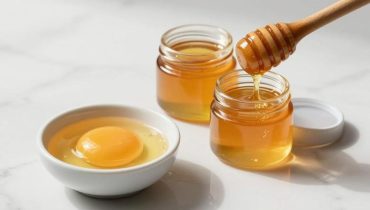
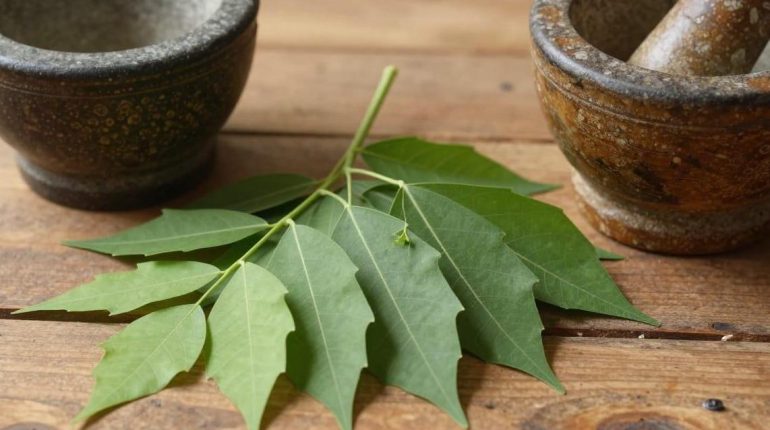
For skin applications, the fresh paste obtained by manual grinding is mixed with honey or rose water before localized application for 10 to 15 minutes, two to three times weekly. Modern formats — micronized powders or standardized capsules — facilitate dosing but require careful reading of labels to respect the concentrations recommended by manufacturers.
Contraindications deserve particular attention. Neem remains formally discouraged for pregnant and breastfeeding women, as nimbidin potentially crosses the placental barrier. Children under twelve should not consume neem-based preparations without medical supervision. Drug interactions pose a problem for hypoglycemic treatments: the cumulative effect could cause dangerous hypoglycemia. A prior consultation is systematically required before any regular use.
This rigor in use conditions the user experience: neem is neither trivial nor miraculous, but a plant resource requiring discernment and professional guidance.