Nail changes alone cannot confirm a diagnosis. They may occasionally offer clues about what is happening elsewhere in the body, but they are rarely definitive on their own.
Why nails change with age
Nail growth slows progressively after early adulthood, and the nail plate becomes thinner or more brittle over time. These structural changes are driven by reduced circulation, hormonal shifts and cumulative environmental exposure — not by disease. This biological backdrop explains why age-related nail changes are so common and so frequently misread.
Beau’s lines: when illness or stress interrupts nail growth
The horizontal grooves that sometimes alarm people have a specific name: Beau’s lines. These are depressions that form across the nail when growth temporarily slows or stops entirely.
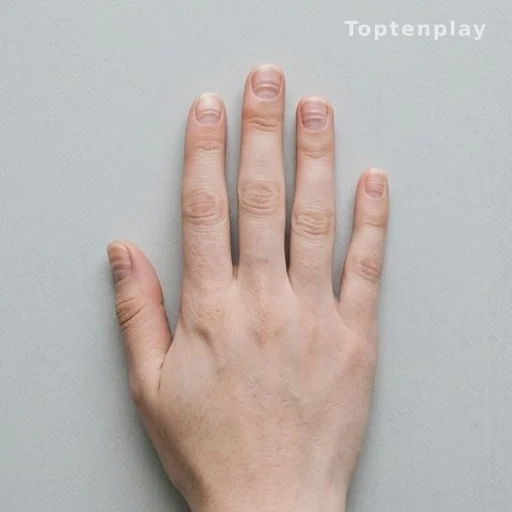
Documented triggers include severe illness, high fever, major surgery, significant stress and physical trauma to the nail. Once growth resumes, the groove gradually migrates toward the nail tip and eventually grows out.
White spots and marks are a separate, and even more mundane, phenomenon. Despite a persistent belief that they signal calcium deficiency, minor nail trauma — pressure injuries, nail biting or everyday bumps — is a far more common explanation.
Nutritional deficiencies and medical conditions: a possible but limited link
In some individuals, nail abnormalities are associated with nutritional deficiencies — specifically iron, zinc, protein or certain vitamins. However, nail appearance alone is not sufficient to diagnose a deficiency; blood testing is required for confirmation.
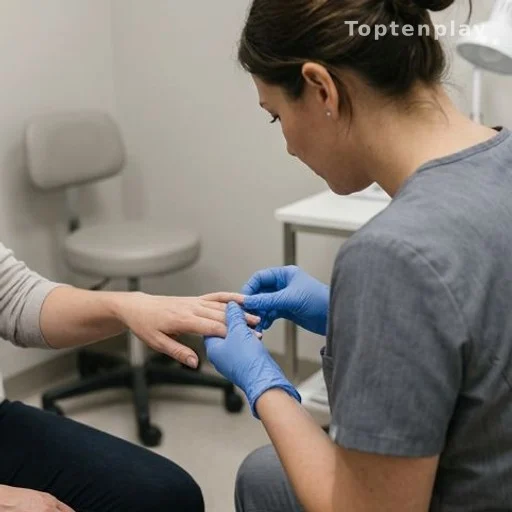
Certain medical conditions are also occasionally reflected in nail changes: thyroid disorders, diabetes, kidney disease, circulatory disorders and autoimmune conditions are among those documented. The key qualifier is that most people with nail ridges do not have a serious underlying disease.
Suggested Posts

Forgot Your Quarter at Aldi? Here’s How to Still Get a Cart
Arriving at Aldi without a quarter to unlock a shopping cart is a common frustration. Fortunately, the fix is usually just a few steps…