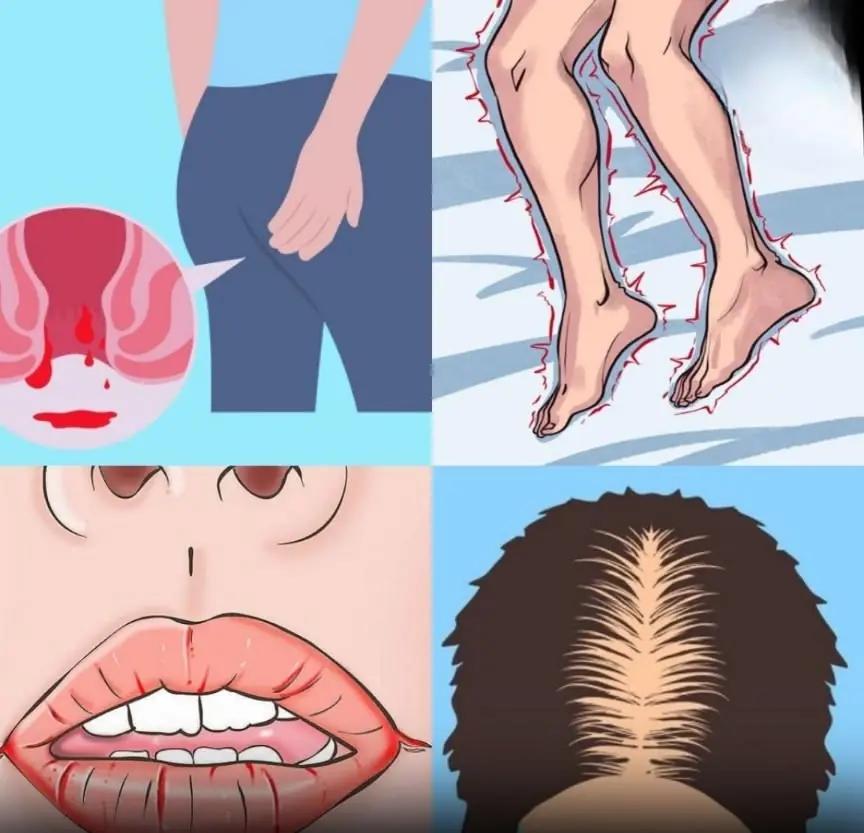
Persistent fatigue, tingling in the hands and feet, memory lapses, or unexplained mood changes — these are among 12 warning signs that may be linked to a Vitamin B12 deficiency. An essential nutrient the body cannot produce on its own, B12 supports red blood cell production, nerve function, DNA synthesis, and energy metabolism. Because its symptoms often resemble those of other conditions, deficiency frequently goes unrecognised without a blood test.
In brief
- —12 physical and neurological signs may indicate B12 deficiency
- —Vegans, older adults and people with digestive disorders are most at risk
- —Blood tests are needed to confirm deficiency before any treatment
From fatigue to balance problems: the earliest physical signals
Ongoing fatigue is one of the first and most common signs of low B12 levels. Without enough of the vitamin, the body struggles to produce healthy red blood cells capable of carrying oxygen to tissues — leaving many people feeling exhausted even after a full night of sleep, with reduced endurance and difficulty concentrating.

Tingling, numbness, or burning sensations in the hands, feet, legs, or arms can follow as nerve function becomes impaired. B12 plays a direct role in maintaining the myelin sheath that protects nerve fibres, and when levels drop, these so-called pins-and-needles symptoms may emerge.
In more advanced cases, deficiency can affect coordination and balance. Some individuals experience unsteady walking, frequent stumbling, or muscle weakness — symptoms that are sometimes mistaken for normal signs of ageing and therefore left unaddressed.
Why B12 cannot be stored indefinitely
Vitamin B12, also known as cobalamin, is a water-soluble vitamin, meaning the body does not store large reserves of it. Since the body cannot synthesise B12 on its own, a continuous supply through diet or supplementation is necessary. This makes regular intake — and awareness of absorption barriers — particularly important for at-risk groups.
Pale skin, mouth ulcers, and a swollen tongue: visible signs on the body
B12 deficiency may contribute to anemia, which can cause the skin to appear unusually pale. In some cases, a slight yellowish tint develops due to changes in how red blood cells break down — a symptom that tends to appear gradually rather than suddenly.

The mouth can also reflect low B12 levels. Cracked corners of the lips, mouth ulcers, a burning sensation, and general tongue discomfort are all reported signs. These symptoms can interfere with eating and speaking.
A condition called glossitis — in which the tongue becomes red, swollen, and unusually smooth — is another documented indicator. The tongue may lose its normal textured appearance and become painful or tender to the touch.
Brain fog, mood shifts, and hair thinning: the less obvious consequences
The brain relies on healthy nerve function, and low B12 levels have been linked to forgetfulness, difficulty concentrating, mental fog, and slower thinking. These cognitive symptoms are commonly reported by people with confirmed deficiency, though they are not exclusive to it.

B12 also influences neurological processes tied to mood. Deficiency has been associated with irritability, mood swings, depression, and anxiety symptoms. Researchers continue to study the precise relationship between B12 status and mental health outcomes.
Hair thinning is a less specific sign. While many factors affect hair growth, nutritional deficiencies — including low B12 — may contribute to excessive shedding, particularly when other symptoms are present at the same time.
Who faces the highest risk, and how deficiency is confirmed
Several groups are considered particularly vulnerable. Older adults are at elevated risk because B12 absorption naturally declines with age. Vegetarians and vegans face a dietary gap, since the vitamin is found almost exclusively in animal products such as meat, fish, eggs, and dairy — though fortified cereals and nutritional yeast can provide some intake.

People living with digestive conditions — including Crohn’s disease, celiac disease, or a history of gastric surgery — may have impaired absorption regardless of dietary intake. Long-term users of certain medications may also be affected over time.
Because B12 deficiency symptoms overlap with those of many other conditions, a confirmed diagnosis requires blood testing. Healthcare providers typically use a complete blood count (CBC) alongside a direct B12 measurement, and may order additional laboratory markers when the picture is unclear. Testing before starting any treatment is considered essential.
For those in higher-risk groups or experiencing persistent, unexplained symptoms, the next step is a conversation with a healthcare professional and, if indicated, a blood test. Researchers continue to investigate the links between B12 status and longer-term neurological and mental health outcomes — an area where clearer clinical guidance may emerge in coming years.