📌 Mustard guinea fowl: why two-stage cooking changes everything for the tenderness of the meat
Posted 20 March 2026 by: Admin
Preparation Of The Signature Sauce
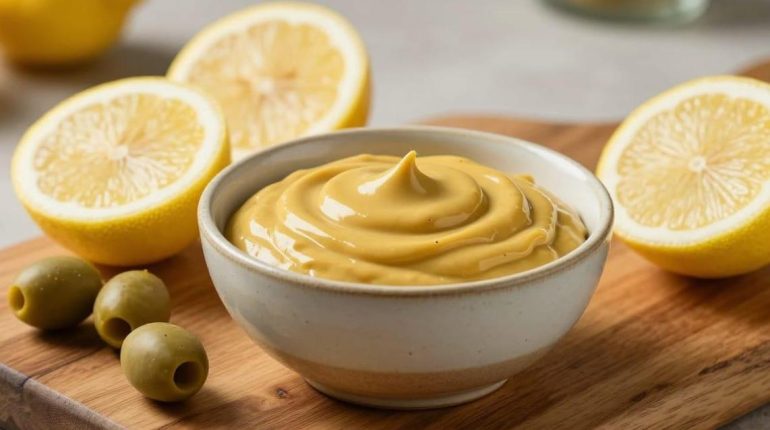
The balance of a successful guinea fowl rests on a delicate alliance: mustard, lemon juice, and broth. This aromatic trinity, emulsified in boiling water, composes a juice whose strategy of use defines the success of the dish.
The technique reveals its ingenuity in the calculated division of the juice into two stages. Half is poured over the poultry as soon as it is placed in the oven at 180°C, soaking the meat during 45 minutes of cooking. This first phase guarantees a progressive penetration of lemon and mustard flavors into the heart of the meat.
The rest of the juice waits for its strategic moment: 10 minutes before the end, it joins the guinea fowl accompanied by the olives. This second addition creates a Mediterranean aromatic concentration that escapes excessive evaporation. The olives, bathing in the reduced liquid, release their salinity just enough to enrich without dominating.
This orchestrated distribution transforms a simple mixture into a gastronomic sauce. While the first half moistens and tenderizes, the second concentrates and magnifies. The result: a moist guinea fowl coated in a full-bodied juice where each ingredient plays its part without a false note.
Mastered Cooking Of The Guinea Fowl
Onions cut into quarters line the bottom of the dish, creating an aromatic bed that protects the poultry from direct contact with the metal. This vegetable base diffuses its juices during cooking, progressively enriching the juice in which the guinea fowl bathes.
Seasoning precedes putting it in the oven: olive oil, salt, and pepper uniformly coat the skin before the heat at 180°C begins its work. This moderate temperature for 45 minutes guarantees a homogeneous penetration of heat without attacking the fibers of the meat. The guinea fowl browns quietly, its juices concentrate, its skin firms up.
After this first phase, the olives join the dish with the rest of the juice. Ten additional minutes in the oven are enough for these newcomers to integrate into the reduced juice. This fractionated cooking of 55 minutes (45 + 10) eliminates any anxious monitoring: the two-step method precisely calibrates the result without constant intervention.
The guinea fowl emerges from the oven golden, its tender meat gorged with mustard-lemon-onion aromas, while the juice, enriched with Mediterranean olives, awaits its final destination: the rice which waits, ready to capture every drop of this fragrant preparation.
Rice Side Dish: Effective Simplicity
While the guinea fowl completes its transformation in the oven, the rice begins its own trajectory in boiling salted water. This parallel cooking synchronizes the two elements for optimal convergence at the moment of plating.
The choice of rice determines the timing: basmati, short-grain, or long-grain each impose their specific duration. Respecting the instructions on the package guarantees a texture that is neither sticky nor crunchy, just firm to the bite. Draining occurs during the last ten minutes of the guinea fowl’s cooking, preserving the heat of the starch without drying it out.
This plain rice is not a simple supporting actor: it becomes the central player in the final tasting. Its slightly porous surface and individualized grains form the ideal support to absorb the mustard-lemon-olive juice that will flow generously at service.
Where a gratin or roasted vegetables would remain impermeable, the rice gorges itself on the precious fragrant liquid. Each grain captures the acidic notes of the lemon, the pungency of the mustard, and the salinity of the olives. This gastronomic sponge transforms the side dish into a flavor vector, ready to receive the final touch that will seal the harmony of the dish.
Plating And The Final Touch
The moment of service marks the point of convergence where golden guinea fowl and steaming rice meet on the plate. The arrangement obeys a logic that is as much visual as it is gustatory: generously arrange the rice as a base, then place the guinea fowl cut into regular pieces, revealing its tender meat under the crispy skin.
The coating of the juice constitutes the decisive gesture that transforms this composition into a complete culinary experience. Taken directly from the cooking dish, this amber liquid enriched with black olives concentrates 55 minutes of simmering: softened mustard, caramelized lemon, and a base of candied onions. Poured generously with a ladle, it simultaneously floods the meat and the rice, creating fragrant rivers between the grains.
The olives scattered over the whole bring their visual and gustatory contrast: dark spots against the beige of the rice, salty notes punctuating the roundness of the sauce. This spontaneous, almost rustic presentation recalls Mediterranean tables where abundance takes precedence over artifice.
Serving immediately guarantees that each guest discovers the dish at its thermal and aromatic peak. The rice absorbs the juice before your eyes, and steam still escapes from the guinea fowl. This optimal tasting moment lasts only a few minutes, those where all the elements dialogue in their most expressive state.