📌 Moroccan lamb tajine: why 1h30 of slow cooking completely transforms this family dish
Posted 18 January 2026 by: Admin
The Millenary Art Of Moroccan Tajine: When Lamb Meets Tradition
In Moroccan kitchens, lamb tajine has reigned supreme for centuries. This emblematic dish of family tradition embodies the essence of a gastronomy where time becomes an ingredient in its own right. Far from the fast cooking of modernity, this ancestral recipe requires patience and gentleness, two virtues that transform simple pieces of shoulder into an unforgettable culinary experience.
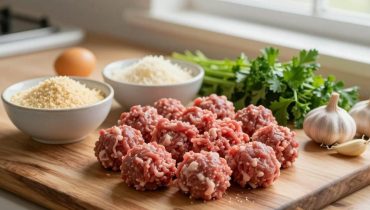
Lamb shoulder was not chosen by chance. This cut, prized by Moroccan cooks, reveals its melting texture after slow and controlled cooking. The fibers gradually relax, the meat absorbs the warm spices, while the juices mingle with the broth to create that smooth sauce for which the dish is famous. Every minute of simmering counts, allowing the aromas to intensify and penetrate to the heart of the meat.
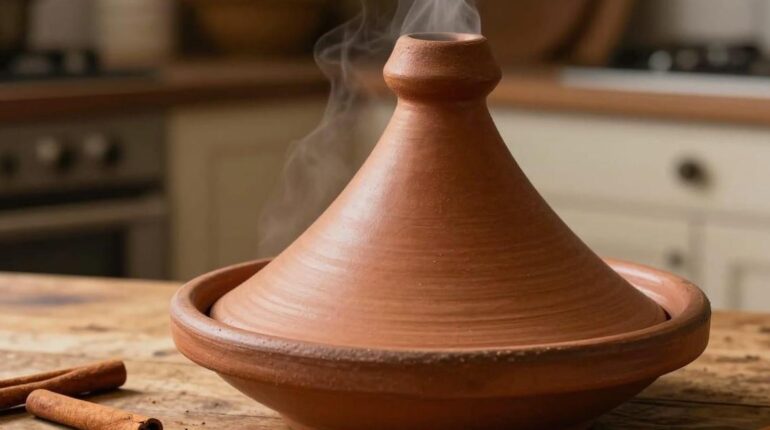
Whether prepared in a traditional clay tajine or in a heavy-bottomed pot, the essential remains the same: a gentle and constant heat that transforms raw ingredients into a deeply comforting dish. This versatility demonstrates that the success of the dish does not depend on the utensil, but on an intimate understanding of the culinary process.
Around this steaming tajine, families and guests gather, perpetuating a ritual of sharing where everyone dips directly into the common dish.
The Symphony Of Spices: Deciphering A Perfect Alliance
This smooth sauce that characterizes the tajine is not born of chance, but of a skillfully orchestrated alchemy of spices. Six major components combine here: cumin, coriander, smoked paprika, cinnamon, turmeric, and black pepper. Each brings its distinctive note, from earthy to warm, including a subtle woody scent.
Success rests on a precise technical gesture: toasting. During one crucial minute, the spices heat in the oil flavored with onion and garlic, releasing their essential oils without burning. This moment requires vigilance and constant stirring. Too short, and the aromas remain dormant. Too long, and bitterness sets in.
Once this stage is passed, the tomato paste enters the scene to coat the browned meat. This step creates a protective layer that seals in the lamb’s juices while allowing the spices to gradually penetrate the meat during the long simmering. The broth poured in next dissolves these concentrated flavors, transforming the liquid into a powerful aromatic base.
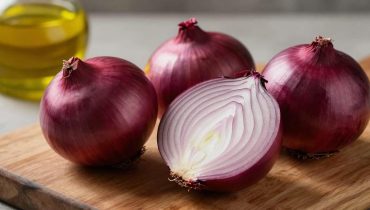
The foundation of the dish is built in the first few minutes with translucent onion and freshly chopped garlic. This aromatic base constitutes the pedestal on which the entire gustatory edifice rests, an invisible but essential bed that carries the 900 grams of lamb toward their final transformation.
Chronology Of Mastered Cooking: The Steps To Success
This aromatic transformation can only be accomplished through a rigorous temporal sequence. It all begins with browning: 5 to 7 minutes are enough to color the lamb pieces over medium-high heat. This initial caramelization creates a golden crust that seals in the juices and develops roasted notes essential to the final flavor profile.
Then follows the longest but most decisive step: one hour of simmering covered, over low heat. During this period, the fibers of the lamb shoulder gradually break down, the meat tenderizes and absorbs the spices from the broth. No shortcuts exist here. Patience transforms ordinary meat into melting flesh that almost falls apart on its own.
Potatoes enter the scene after this first hour. Nestled in the already flavored sauce, they require 25 minutes to become tender and soak up the aromatic broth. Their late introduction prevents them from falling apart, preserving their texture while capturing the essence of the dish.
Peas arrive last, only 5 minutes before the end, uncovered. This timing preserves their vibrant green color and slight firmness. This final addition injects freshness and sweetness, balancing the depth of flavors developed during the 1h50 of total cooking. The meat, now transformed, only awaits the generous rain of fresh coriander and parsley.
The Perfect Balance: When Vegetables Enhance The Meat
This temporal precision results in a remarkable nutritional harmony. For 900 grams of lamb serving four guests, each portion delivers 480 kilocalories, a balance between generosity and moderation. The meat does not reign alone: it shares the spotlight with vegetables that have become actors in their own right.
Potatoes, soaked in the spiced broth during their 25 minutes of immersion, reach a melting texture that rivals the lamb. Each piece absorbs the accumulated aromas, transforming a simple tuber into a concentrate of Moroccan flavors. Their capacity for absorption makes them the ideal receptacle for this smooth sauce.
Peas play a more subtle but essential role. Their natural sweetness tempers the richness of the lamb and the depth of the toasted spices. Their vibrant green color, preserved by the flash cooking, provides a visual contrast that stimulates the appetite even before the first bite.
The final touch of chopped fresh coriander and parsley is not just a decoration. These herbs wake up the whole dish, injecting a plant-based freshness that lightens the palate. Served with crusty Moroccan bread or light semolina, this tajine becomes a complete meal where the vegetables naturally balance the generosity of the meat, creating that feeling of comfortable satiety without excessive heaviness.