📌 Molluscum contagiosum: these small pearly bumps on children’s skin disappear on their own in 6 to 12 months
Posted 6 March 2026 by: Admin
The Strange Appearance: Those Little Pearls On The Skin
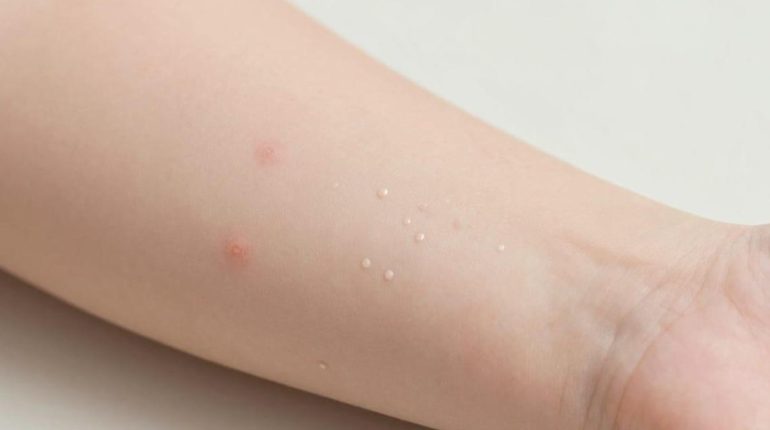
One morning, you notice tiny shiny bumps on your child’s arm that weren’t there the day before. A few days later, they multiply. Their pearly, almost translucent appearance is as intriguing as it is worrying. Measuring between 2 and 5 millimeters, these lesions present a troubling characteristic: a small dimple in the center, as if someone had pressed a microscopic needle into them.
This mysterious rash has a name: molluscum contagiosum. Caused by a virus from the poxvirus family, this skin infection primarily affects children under 10. The papules usually appear in clusters on the arms, legs, face, or torso. Their color varies from pale pink to pearly white, sometimes close to the skin tone, making their initial detection difficult.
Contrary to what their appearance might suggest, these lesions are generally painless. Some children experience mild itching, but many show no symptoms. The infection remains superficial, confined to the epidermis, without affecting the deeper layers of the skin. However, their tendency to spread rapidly often transforms one or two isolated bumps into dozens of lesions within a few weeks, fueling legitimate parental concern over this unexplained proliferation.
The Mechanism Of Spread: Why It Multiplies
This rapid proliferation is explained by a mechanism as simple as it is effective: the virus resides directly inside the bumps. Each papule constitutes an active viral reservoir, ready to contaminate any skin area it touches. When the child scratches a lesion, their fingers instantly become vectors of transmission. They only need to touch another part of their body to create a new site of infection.
Skin-to-skin contact represents the primary route of spread. In playgrounds, during sports activities, or contact games, the virus circulates easily from one child to another. But contaminated surfaces also play a crucial role. A shared towel, a toy handled by many hands, a borrowed piece of clothing: all are invisible bridges for this opportunistic pathogen.
This ability to spread explains why lesions multiply over several weeks. The child, unaware of the danger, mechanically touches their bumps, scratches them distractedly, and then brings their hands to their face or legs. Each harmless gesture becomes an act of contamination. The cycle repeats, transforming a few initial papules into extensive colonies that can cover several areas of the body simultaneously.
Typical childhood behaviors amplify this dynamic. The lack of risk awareness, physical proximity to peers, and spontaneous sharing of personal items create an ideal environment for viral transmission, explaining the remarkable frequency of this infection in communities.
The Truth About Danger: Should You Worry?
Despite this worrying spread, molluscum contagiosum remains a remarkably mild infection. Medical facts are clear: in the vast majority of cases, these bumps cause no pain. The child goes about their usual activities, plays, and runs without feeling the slightest discomfort. Some parents even discover the lesions by chance during bath time, as the child never reported any symptoms.
The human immune system has a remarkable ability to neutralize this virus. Between 6 and 12 months, the body develops a specific immune response that progressively destroys the papules. No treatment is necessary: the body acts alone, methodically eliminating each infected site. This spontaneous resolution occurs in the vast majority of affected children, though some cases may persist longer depending on the strength of the individual immune response.
The real risks remain minimal and limited. The main danger comes from compulsive scratching, which can create micro-lesions in the skin. These breaches in the skin’s protective barrier open the door to opportunistic bacteria, which can cause a secondary infection. Inflammation, redness, oozing: these symptoms signal a bacterial complication requiring monitoring.
This viral infection perfectly illustrates the child’s body’s ability to effectively manage common pathogens, transforming an initially alarming rash into a simple transient episode without lasting consequences.
Home Solutions And Warning Signs
This natural resolution does not preclude attentive care. Several home approaches can soothe skin discomfort and limit viral spread. Colloidal oatmeal baths offer immediate relief: the finely ground oats release fatty acids that calm inflammation and reduce itching. Ten to fifteen minutes are enough to observe a notable soothing effect on irritated areas.
Coconut oil acts as a natural moisturizing barrier. Applied gently around the lesions, it prevents skin dryness while strengthening epidermal protection thanks to its fatty acids. Even more intriguing, tea tree oil combined with iodine has shown a significant reduction in the number of papules after several weeks of application. This study highlights the potential effectiveness of a natural antiseptic approach, provided the essential oil is systematically diluted and any use on very young skin is avoided without medical advice.
Covering the lesions with clothing or light bandages limits the risk of unconscious scratching and slows transmission to siblings. Hand hygiene becomes an essential bulwark against spread.
However, certain situations require prompt consultation: bumps appearing on the eyelids or face, severe inflammation accompanied by pus, or unusual persistence beyond several months. The doctor then has targeted treatments – topicals, cryotherapy – to accelerate healing when passive waiting is no longer an option.