📌 Mexican beef stew: how 2.5 hours of cooking transform ordinary meat into a melt-in-your-mouth dish ready to freeze
Posted 24 March 2026 by: Admin
The Fundamentals of a Successful Mexican Stew
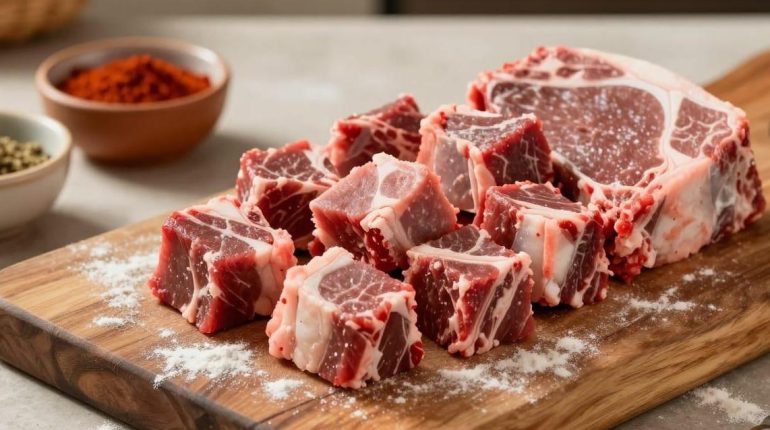
The success of this stew rests on a precise technical foundation. The 2-pound chuck roast, cut into 2-inch cubes, is the ideal choice thanks to its balanced marbling that melts slowly during cooking. This intramuscular fat preserves the meat’s juiciness without disintegrating it into pure fat.
The flour coating transforms every piece. This protective layer triggers the Maillard reaction during searing, creating a golden crust that traps the juices. It simultaneously thickens the broth, giving it that characteristic velvety texture. The secret lies in pre-drying: leaving the salted cubes in the refrigerator for 24 hours removes surface moisture, guaranteeing perfect caramelization.
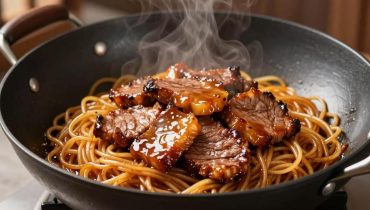
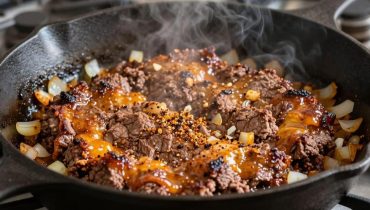
Two-stage searing with high smoke point vegetable oil requires discipline. Five minutes per batch, without overcrowding the pan. Too much meat lowers the temperature, causing steaming that produces gray, soft pieces instead of the desired crispy surface. Each side must meet the direct heat of the burning metal.
Deglazing with red wine recovers the caramelized fragments stuck to the bottom. These concentrated juices, dissolved in alcohol, constitute the aromatic soul of the broth. This step transforms cooking residues into a complex flavor foundation.
The Arsenal of Ingredients That Forge Mexican Identity
The authenticity of this stew is born from a dual-level aromatic strategy. The homemade taco seasoning, free of industrial preservatives, deploys its spices without parasitic chemical notes. It combines with the spicy trio — sliced fresh jalapeños, colorful peppers, and lime zest — to build this vibrant and festive Mexican signature.
Aromatics follow a logic of progressive infusion. Minced garlic and onions, sautéed in butter for one minute, release their sulfur compounds transformed into sweet and caramelized notes. Their whole versions, added with the broth, slowly diffuse their essence during the 90 minutes of simmering. This double strategy creates an aromatic depth impossible to obtain with a single method.
The broth itself results from a precise architecture. Worcestershire sauce amplifies the meaty umami, while tomato paste concentrates flavor without diluting the liquid. Diced tomatoes bring their bright acidity and vibrant color. Low-sodium beef broth serves as a canvas, allowing other ingredients to imprint their character without salt saturation.
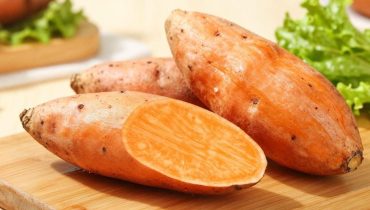
Vegetables obey strict functional criteria. Waxy mini red potatoes maintain their structural integrity where starch-filled russets would disintegrate into mush. Baby Bella mushrooms develop their meaty texture and earthy notes. Organic carrots balance the spiciness with their natural sweetness, while injecting vitamins and orange pigments.
Three-Phase Cooking for Absolute Tenderness
This culinary architecture relies on surgical timing that transforms muscle fibers into silky flesh. The first phase of searing is executed in small portions for 5 minutes per batch, the high temperature creating that golden crust thanks to the Maillard reaction. Overcrowding the pan would cause the heat to drop, causing a release of steam that would make the meat gray and soft instead of caramelized.
Deglazing with red wine immediately captures the crystallized juices at the bottom of the vessel. These concentrated particles, detached by the alcoholic liquid, constitute the aromatic base of the broth. The covered simmering over low heat then extends over 90 minutes, a period during which the collagen transforms into gelatin, giving the beef its characteristic melting texture. Regular skimming removes fatty impurities that would cloud the liquid.
The third phase occurs in the oven preheated to 300°F. The vegetables — round carrots, diced celery, cut mushrooms, and red potatoes — only join the pot at this strategic moment. This late incorporation preserves their firmness, with waxy potatoes maintaining their structure where floury varieties would crumble into puree. An additional hour is enough to reach optimal tenderness without falling into disintegration.
If the broth evaporates excessively, the progressive addition of liquid maintains the necessary hydration. An internal temperature test allows for distinguishing undercooking, which leaves the collagen rubbery, from overcooking which expels all juices and dries out the fibers.
Customization and Storage for a Versatile Dish
This recipe tolerates multiple protein adaptations that preserve the dish’s Mexican identity. Pulled pork, diced turkey, boneless chicken, or smoked chorizo advantageously replace beef, each bringing its distinct flavor signature. For sensitive palates, fresh poblanos offer moderate heat compared to incendiary jalapeños, while total removal of peppers keeps only the mild peppery notes.
The addition of a quarter cup of brown sugar and a touch of honey transforms the balance into a sweet-savory version, creating an unexpected contrast with the spices. The vegetarian conversion is simple by eliminating the meat and integrating protein-rich black beans with a reinforced vegetable broth. Grilled corn, frozen peas, green beans, or spinach enrich the composition without weighing down the texture.
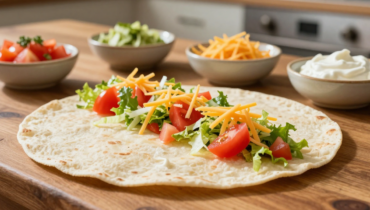
Traditional service is accompanied by warm tortillas that become perfect vehicles for capturing meat and vegetables. Cilantro-lime chipotle rice, black bean salad, and crusty bread complete the experience. Guests garnish individually with smooth guacamole, spicy salsa, shredded cheese, and crema fresca.
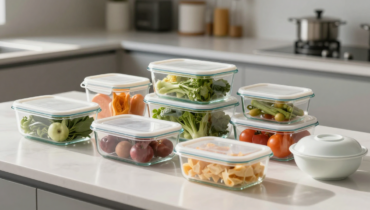
Smart storage maximizes the yield of this laborious preparation. In the refrigerator, the stew keeps for three to four days in an airtight container. Freezing in quart bags creates individual portions that survive three to four months, thawed in the refrigerator then reheated in a saucepan over low heat or in the microwave for 90 seconds.