📌 Menopause: four traditional African plants recognized for their action on symptoms after 40

Posted 25 March 2026 by: Admin
Body Changes After 40: Understanding the Natural Transition
The forties mark a major physiological turning point for many women. Menstrual cycles become irregular, energy fluctuates for no apparent reason, and unexplained fatigue sets in. These manifestations are not imaginary: studies reveal that the majority of women between 40 and 55 experience these symptoms, directly linked to the hormonal variations of perimenopause.
This transitional phase preceding menopause is accompanied by recurrent bloating, unpredictable mood swings, and daily discomfort that disrupts everyday life. Scientific research confirms that these changes affect a significant proportion of the concerned female population, with varying intensity according to individuals.
Faced with these transformations, West African ancestral practices offer a different approach. For generations, traditional communities have used specific spice blends to accompany women during their reproductive years and beyond. These rituals, passed down from mother to daughter, are based on the empirical observation of natural cycles and aim to restore bodily balance without medicinal intervention.
The traditional approach does not deny the discomfort felt but places it within a natural continuity. The hormonal fluctuations responsible for these inconveniences are recognized as a normal physiological stage, requiring adapted support rather than forced suppression of symptoms. The spices combined in these ancestral infusions aim precisely to accompany this transition with gentleness.
Four African Ingredients With Scientifically Documented Properties
This quartet of spices forms the foundation of an infusion passed down for generations in West Africa. Each brings specific benefits validated by modern research.
Ginger benefits from the most solid scientific corpus. A double-blind clinical trial comparing 200 mg of ginger powder to 200 mg of ibuprofen every 6 hours revealed a similar reduction in pain after 48 hours in 168 women suffering from dysmenorrhea. Other studies demonstrate that a dose of 750 mg to 2 g daily during the first days of menstruation significantly decreases heavy bleeding and cramps. The mechanism of action is based on the regulation of prostaglandins, hormones responsible for menstrual discomfort.
Lemon enriches the infusion with vitamin C and flavonoids. Research on these citric compounds highlights their antioxidant support and their role in hepatic detoxification processes, reducing overall oxidative stress.
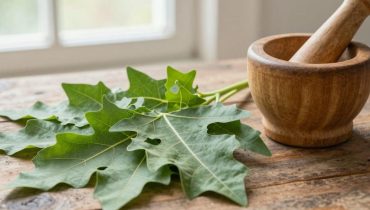
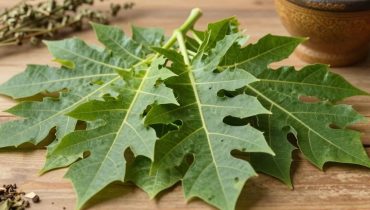
Selim seeds (Uda) possess documented antiseptic and anti-inflammatory properties. Ethnomedicinal reviews attest to their traditional use for female reproductive health, particularly in postpartum recovery and to facilitate placental expulsion. Their anti-inflammatory potential is the subject of emerging studies.
Aidan fruit (Prekese) stands out for an antioxidant activity superior to that of pomegranate juice, red wine, or blueberry juice according to comparative analyses. Its extracts, rich in flavonoids, saponins, and polyphenols, demonstrate beneficial effects on glycemic regulation and blood pressure. Ghanaian and Nigerian traditions systematically prescribe it in the postpartum period and to soothe menstrual discomfort.
Traditional Synergy: Why These Four Ingredients Together
West African communities never consume these spices in isolation, but as a complete daily infusion. This synergy creates a warming drink whose combined properties exceed the simple sum of individual effects.
The alliance of anti-inflammatory ginger, detoxifying lemon, antiseptic Selim seeds, and antioxidant Aidan fruit generates a complex phytochemical profile targeting inflammation, oxidative stress, and hormonal balance simultaneously. This holistic approach contrasts with single-ingredient Western supplements.
Compared to classic female well-being options, this infusion presents undeniable economic advantages. Evening primrose oil, rich in gamma-linolenic acid for hormonal support, costs €20 to €40 monthly in neutral-tasting capsules. Raspberry leaf tea, a traditional uterine tonic, represents €10 to €20 per month with an herbaceous profile. The African quartet requires only €5 to €25 monthly depending on supply sources, while offering a distinctive sensory experience: smoky spicy notes, the pungent heat of ginger, and lemony acidity.
This financial accessibility democratizes access to natural female care, particularly relevant for women seeking sustainable alternatives to pharmaceutical solutions. The culturally anchored nature of this practice adds a ritual dimension absent from standardized capsules, transforming daily care into a moment of conscious bodily reconnection.
The Traditional 30-Day Protocol: A Ritual Aligned With Natural Rhythms
This practical accessibility finds its full potential in an ancestral cyclic protocol respecting female physiological fluctuations. West African healers have observed for centuries that the effectiveness of plants varied according to the phases of the menstrual cycle.
Phase 1 (days 1-14): the complete formulation combines sliced fresh ginger, juice of half a lemon, 3-4 crushed Selim seed pods, and 1 Aidan fruit pod in 450 ml of simmering water. Adding a pinch of black pepper optimizes the absorption of piperine contained in ginger, amplifying its anti-inflammatory properties. This first half corresponds to the follicular and ovulatory phase, where the body benefits more from intensive circulatory and detoxifying support.
Phase 2 (days 15-28): the mixture simplifies to the ginger-lemon duo, optionally enhanced with honey and cinnamon for their glycemic regulating properties. This reduction reflects the luteal phase, where the gentle approach prevents body overheating while maintaining antioxidant support.
For irregular cycles, the lunar calendar serves as an alternative guide: complete formulation from new moon to full moon, then simplified until the next new moon. Infuse for 10-15 minutes, strain, and consume hot every morning on an empty stomach. This morning ritualization transforms care into a daily bodily meditation, strengthening the cyclic awareness often lost in modern linear lifestyles.