The Maternal Microbiome Connection To Autism
For decades, autism research has focused primarily on individual genetic and developmental factors. Yet a groundbreaking discovery published in The Journal of Immunology fundamentally shifts this perspective, revealing that a mother’s gut microbiome—not the child’s own—may be the critical trigger for neurodevelopmental disorders.
The implications are profound. Researchers at the University of Virginia School of Medicine conducted animal studies demonstrating that the microbial ecosystem within maternal intestines directly shapes how offspring brains develop and how their immune systems calibrate responses to infection, injury, and stress. John Lukens, lead researcher and PhD student, explains the mechanism clearly: “The microbiome can shape the developing brain in multiple ways. It is really important to the calibration of how the offspring’s immune system is going to respond to infection, injury, or stress.”
This discovery introduces a paradigm shift. Rather than viewing autism as solely determined by fetal genetics, scientists now recognize that maternal intestinal health acts as a developmental blueprint for the growing brain. The maternal microbiome—comprising trillions of bacteria and microorganisms—appears to communicate directly with developing neural tissue during pregnancy, influencing how neural circuits form and how immune responses establish themselves.
The research employed laboratory mice with varying microbial profiles, comparing how their offspring developed under different conditions. What emerged was undeniable: offspring born to mothers with particular microbiome compositions exhibited autism-like behaviors, including social difficulties and repetitive actions, while those born to mothers with altered microbial environments showed typically developing behaviors.
This maternal-focused mechanism opens entirely new avenues for understanding neurodevelopmental conditions beyond individual variation.
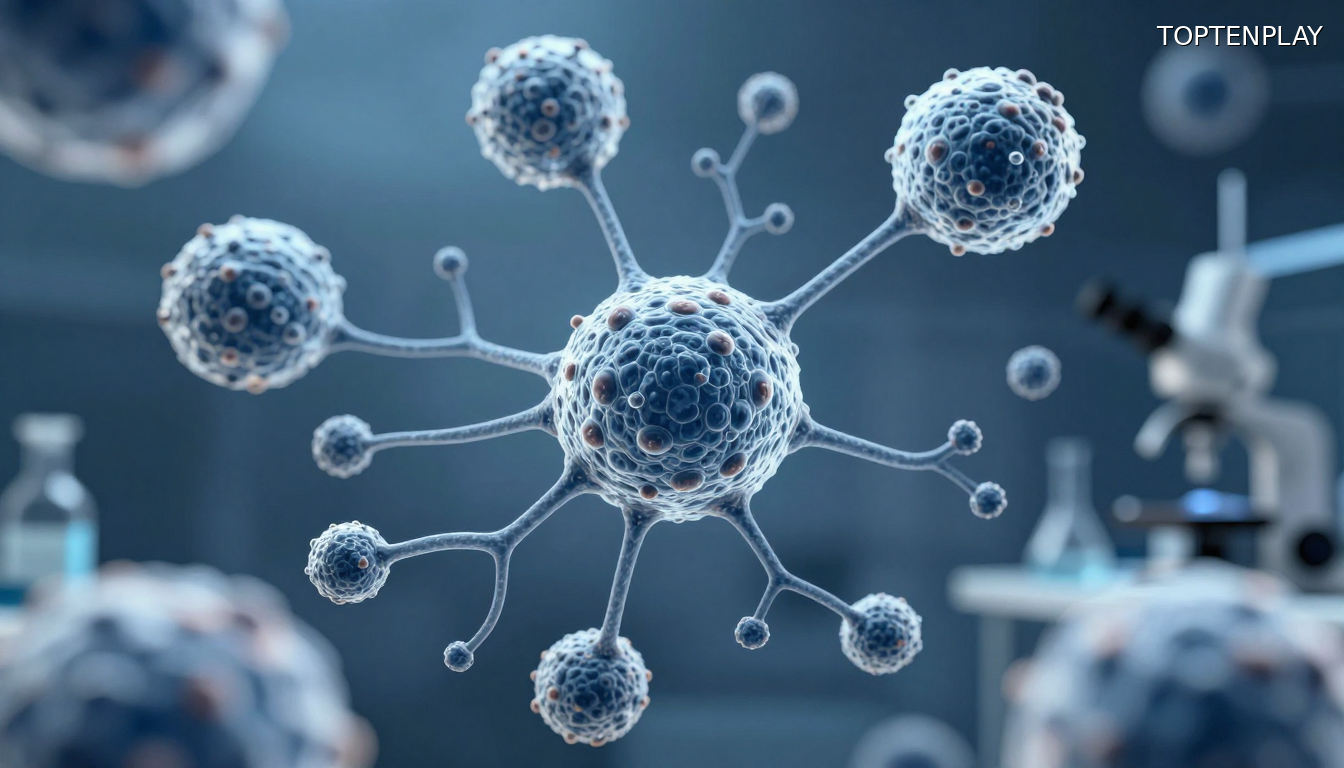
IL-17A: The Inflammatory Molecule At The Center
The maternal microbiome’s influence on fetal development operates through a specific biological mechanism: interleukin-17a (IL-17a), a powerful immune signaling molecule that appears to orchestrate the developmental cascade leading to autism-like conditions.
IL-17a is not merely a random player in immune function. Scientists have already documented its involvement in numerous autoimmune disorders—rheumatoid arthritis, multiple sclerosis, and psoriasis—where it drives inflammatory responses that damage healthy tissue. Yet this same molecule serves a protective function during pregnancy, preventing infections, particularly fungal infections that could threaten fetal development. The paradox is striking: IL-17a simultaneously protects and potentially harms, depending on maternal microbial composition and systemic immune balance.
The research team’s critical experiment isolated IL-17a’s specific role. When they blocked this molecule in mice with susceptible microbiome profiles, preventing any inflammatory cascade, offspring developed with entirely typical behaviors. The contrast proved decisive: without intervention, pups born to the same maternal strain exhibited clear autism-like neurodevelopmental symptoms—social withdrawal and repetitive behavioral patterns that mirror human autism presentations.
This molecular identification represents more than academic curiosity. It pinpoints the precise biological pathway through which maternal gut bacteria communicate with developing fetal brains, transforming abstract microbiome influence into concrete immunological mechanism. The discovery suggests that therapeutic interventions targeting IL-17a regulation during pregnancy could fundamentally alter developmental outcomes for vulnerable populations, though much remains unexplored about how these mechanisms translate across mammalian species.
Experimental Proof: The Fecal Transplant Breakthrough
To transform molecular observation into definitive proof, researchers orchestrated a controlled experimental design that would conclusively establish causation rather than mere correlation. The team divided laboratory mice into two distinct groups: one cohort with a gut microbiome composition known to trigger IL-17a-induced inflammatory responses, and a second control group whose microbial profile remained unreactive to such stimulation.
The results from the first cohort proved unambiguous. When IL-17a was blocked in susceptible mothers, their offspring displayed typical behavioral development. Conversely, when the inflammatory pathway remained intact, pups exhibited unmistakable autism-like neurodevelopmental symptoms—social withdrawal and repetitive behaviors that fundamentally mirror human presentations of the condition.
Yet the experimental validation extended further. Researchers performed a fecal microbiota transplantation, transferring microbial material from the susceptible group into control mice. This intervention replicated the entire causal sequence: control group offspring, despite their original protective microbiome genetics, developed identical autism-like neurodevelopmental conditions following maternal microbiome alteration.
This transplant experiment furnished critical evidence. It demonstrated that microbiome composition alone—divorced from other genetic or environmental variables—directly triggered the developmental pathway toward autism-like symptoms. The finding transcended theoretical significance; it established that maternal gut bacteria, through their metabolic outputs and immune signaling, wield demonstrable power over fetal brain development. The implications extend far beyond rodent models, suggesting that similar microbial mechanisms could operate within human pregnancies, opening pathways toward prevention strategies that target maternal microbial health before conception or during pregnancy.
Implications And Future Research Directions
The experimental evidence now firmly established, the research landscape shifts toward translating laboratory discoveries into clinical understanding. Published in The Journal of Immunology, this study represents a pivotal moment in autism research—one that redirects scientific inquiry from the individual toward the maternal environment as a critical determinant of neurodevelopmental outcomes.
John Lukens and his team acknowledge the frontier before them: these findings remain preliminary, and their direct applicability to human pregnancies remains uncertain. Yet the cautionary framing masks a profound realization. If IL-17a-driven maternal inflammation can trigger autism-like development in animal models, similar mechanisms plausibly operate within human biology. The next investigative phase demands precisely this verification—determining whether comparable patterns manifest in human maternal-fetal dynamics.
The research further suggests that IL-17a may constitute merely one component within a vastly more complex biological puzzle. Other immune molecules, microbial metabolites, and inflammatory pathways likely contribute to the condition’s etiology. This multiplicity offers both challenge and opportunity: it explains why autism presents such heterogeneous presentations across individuals, while simultaneously identifying multiple intervention points for therapeutic development.
The implications extend beyond diagnosis toward prevention. If maternal microbiome composition demonstrably influences offspring neurodevelopment, therapeutic strategies become conceivable—targeted dietary interventions, probiotic formulations, or microbial ecosystem restoration before or during pregnancy. Such approaches would represent a fundamental paradigm shift in autism management, moving from post-diagnosis intervention toward pre-conception prevention.