📌 Mashed potatoes: why you should stop cooking your potatoes in boiling water
Posted 7 February 2026 by: Admin
The Little-Known Problem With Traditional Potato Cooking
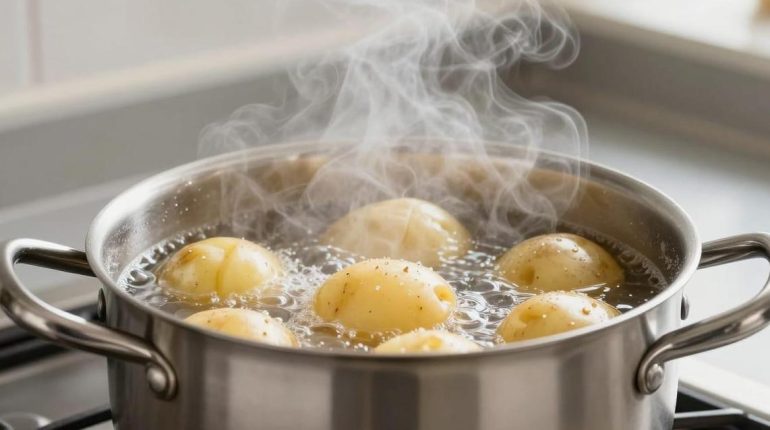
Peeling, cold water, boiling until tender: this universal method hides a major flaw that few cooks suspect. Every time you plunge your potato pieces into a pot of plain water, you trigger an insidious process of leaching flavors and nutrients. Boiling water gradually extracts surface starch, dilutes natural aromas, and turns your tubers into moisture-logged sponges.
The result? A watery, sticky, or bland mash, even after the generous addition of butter and cream. The excess water trapped in overcooked potatoes is released during mixing, creating that dreaded gummy texture rather than the desired airy creaminess. The equation is simple: plain water = bland potatoes. This formula explains decades of failed mashes in countless kitchens.
Even worse, the traditional method wastes a crucial opportunity to infuse flavor from the very first cooking step. During fifteen to twenty minutes of boiling, your potatoes absorb the liquid surrounding them. If this liquid has no flavor, your tubers won’t either. This universal culinary error, rarely questioned, condemns even the best varieties to a mediocre fate.
The Four Fatal Errors Of Cooking In Plain Water
This absorption of tasteless water actually reveals a quadruple mechanism of sabotage that culinary science has now decrypted. First failure: flavor loss through osmosis. Potatoes, composed of 80% water, naturally absorb the surrounding liquid during cooking. In neutral water, they gorge themselves on characterless moisture, diluting their own earthy aromas instead of concentrating them.
Second error, more pernicious: the leaching of surface starch. This compound is precisely what, when correctly managed, creates a velvety texture and prevents the gluey effect. By excessive rinsing or boiling for too long, you eliminate this natural protection. Result: the burst cells release their internal starch during mixing, producing that sticky consistency characteristic of failed mashes.
Third trap: water overload. Water-logged potatoes become unstable reservoirs. When pressed or mixed, they suddenly release their excess moisture, turning your preparation into a watery mush that is impossible to save, even with excess butter.
Fourth missed opportunity: early infusion. During those fifteen to twenty minutes of cooking, you have an ideal window to let salt, aromatics, and flavors penetrate the heart of the tubers. Plain water wastes this strategic opportunity, forcing you to compensate on the surface with excessive amounts of seasoning.
The Corrected Method: Salted Water And Strategic Dehydration
This understanding of failure mechanisms now allows for the application of a professional protocol in three precise phases. First correction: starting in generously salted cold water. Count 1 to 2 tablespoons of kosher salt per liter of water—the concentration should evoke light seawater. This dosage is not excessive: it compensates for dilution during cooking and seasons the tubers from the inside out, creating a flavor base that butter will amplify, not create.
Second critical adjustment: precise cooking until gentle resistance. For Yukon Gold varieties in 5 cm pieces, aim for 15 to 20 minutes. The knife should penetrate with slight opposition—never an effortless pass-through which would signal overcooking. This narrow window preserves cellular integrity while ensuring sufficient tenderness for pressing.
Third decisive gesture, often omitted: active evaporation of residual moisture. After complete draining, place the potatoes back in the still-hot pot over low heat for 1 to 2 minutes. Stir gently to expose all surfaces. This strategic dehydration eliminates surface water that would otherwise dilute your final mash. Professionals identify this step as the #1 secret to airy texture—more determining than the choice of fat or the mixing technique.
The Ultimate Technique: Steaming Versus Boiling
This mastery of optimized boiling already constitutes considerable progress, but an even more radical approach eliminates the problem at its source: steaming without water contact. Arrange your potato pieces in a steamer basket over simmering water—never submerged. Cover tightly and cook for 15 to 20 minutes until perfectly tender.
The theoretical advantage becomes immediately perceptible in the mouth. The tubers cook in their own moisture without ever absorbing external liquid. Result: zero dilution of natural flavors, full preservation of water-soluble nutrients, and maximum concentration of residual sugars that give high-end mashes that slightly sweet note. Surface starch remains intact, creating that structure that accepts butter without becoming sticky.
Chefs unanimously approve of this method for a pragmatic reason: it offers a wider tolerance window. Unlike boiling where thirty seconds separate “perfect” from “water-logged,” steam maintains uniform cooking without the risk of excessive soaking. Control becomes intuitive rather than chronometric.
Only constraint: suitable equipment. A stable perforated basket and a fitted lid are enough—a minimal investment for a definitive transformation of your mashes. This transition from boiling to steaming marks the move from approximate cooking to a mastered approach where every gesture follows a verifiable scientific logic.