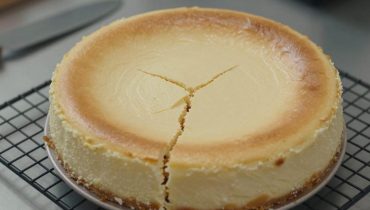
📌 Magic caramel cake: how a single batter creates three different textures during baking
Posted 10 March 2026 by: Admin
The Magic Caramel Cake Phenomenon: A Triple-Texture Dessert
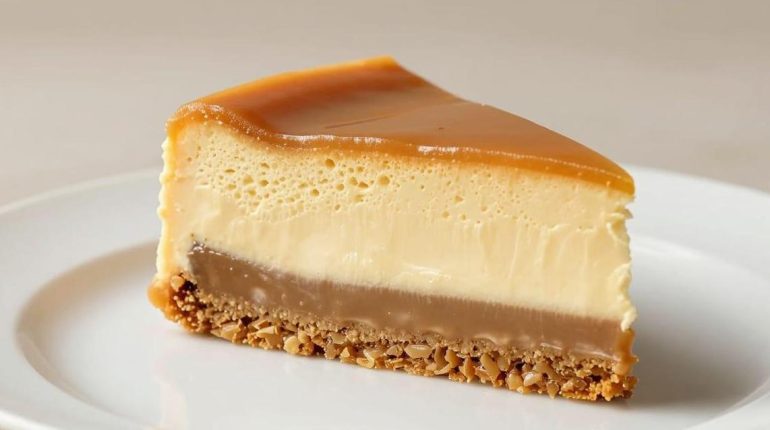
A single batter, three distinct layers. The magic caramel cake relies on a principle of natural separation of ingredients during baking that defies classic pastry conventions. This spectacular transformation occurs without special manipulation: the flour and butter migrate to the bottom to create a dense and melting base, the milk-egg mixture forms a creamy custard in the center, while the whipped egg whites rise to constitute a light sponge on top.
The secret lies in the deliberately liquid texture of the batter before baking. Unlike traditional cakes where a homogeneous and firm consistency is sought, this fluid preparation allows the components to stratify progressively under the effect of slow baking at 160°C. The gentle heat activates the molecular separation of ingredients according to their density, thus creating three perfectly defined strata without the baker’s intervention.
The addition of caramel transcends this physical phenomenon by bringing slightly toasted notes that contrast with the milky sweetness. These deep and gourmet flavors diffuse into each layer, unifying the whole despite the contrasting textures.
This growing popularity is explained as much by the spectacular visual aspect when sliced as by the gustatory complexity obtained with basic ingredients. A dessert that combines invisible technical prowess and accessible indulgence.
The Complete Recipe: Ingredients And Caramel Preparation
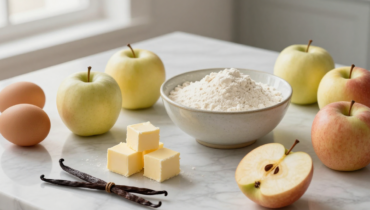
For eight people, the list of ingredients remains surprisingly concise: 145g of flour, five eggs, 620ml of milk, 155g of butter, 150g of powdered sugar, a sachet of vanilla sugar, and a pinch of salt. This apparent simplicity hides a demanding caramel technique that conditions the entire success of the dessert.
The first critical step begins with cooking the sugar. Pour the 150g of sugar with one and a half tablespoons of water into a saucepan over medium heat, without ever stirring. The sugar must transform into golden caramel under constant supervision: a few seconds of inattention are enough to carbonize it. Once the amber color is obtained, immediately incorporate the butter cut into pieces, mixing gently until completely melted.
The addition of milk represents the most delicate moment. The milk must be previously warmed to avoid a thermal shock that would prematurely cook the eggs during subsequent mixing. Pour it gradually into the caramel-butter: the mixture foams slightly, which is normal. Let it cool for a few minutes before integrating this preparation into the egg yolks whisked with the vanilla sugar.
Thirty minutes of active preparation, sixty minutes of baking at low temperature, then two hours of rest in the refrigerator: this precise chronology guarantees the perfect stabilization of the three layers. The required equipment remains accessible: two bowls, an electric whisk, a saucepan, and a square mold lined with baking paper are enough to realize this magic transformation.
Assembly Technique And Secrets For Successful Baking
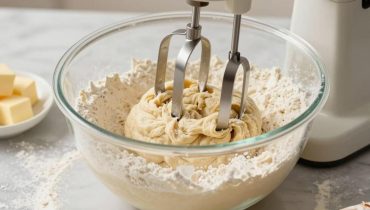
The work with the eggs determines the success of the three distinct textures. Rigorously separate the whites from the yolks: the whites beaten into stiff peaks will create the upper airy layer, while the yolks mixed with the caramel-milk-flour will compose the base and the central cream.
Incorporating the whites requires a counter-intuitive technique. Contrary to classic pastry rules, deliberately leave chunks of whites visible in the batter using a spatula with delicate gestures. This lumpy texture, far from being an error, allows the progressive separation of layers during baking. Mixing too energetically homogenizes the preparation and compromises the magic effect.
Baking at 160°C for sixty minutes is the moment of truth. The batter, extremely liquid before entering the oven, stratifies slowly under the effect of gentle heat. Upon removal, the top should be slightly golden but the center still jiggly: this unstable texture will stabilize fully during complete cooling at room temperature, then during the minimum of two hours in the refrigerator.
This refrigerated rest step is not optional. It allows the layers to set in their final structure: the dense base firms up, the central cream takes on its creamy consistency, the upper sponge fixes its lightness. Slicing the cake before this time would reveal a confused and unstable texture, ruining the spectacular effect of the three perfectly defined strata.
Creative Variations And Optimal Storage
The triple-texture structure of the magic cake lends itself to multiple gourmet variations. The chocolate version integrates cocoa powder directly into the batter, transforming the blond caramel into cocoa depth while preserving the three distinct layers. The vanilla-coffee variant removes the caramel in favor of vanilla extract enhanced with a spoonful of soluble coffee, creating a delicate bitterness that contrasts with the milky sweetness. For summer freshness, lemon zest incorporated into the preparation brings tangy notes that lighten the richness of the dessert.
The accompaniment transforms the tasting experience. A lightly sweetened whipped cream amplifies the caramelized sweetness, while a scoop of vanilla ice cream creates a striking thermal contrast with the melting texture. Caramel coulis intensifies the already present toasted notes, and some fresh fruit – raspberries or poached pears – bring a welcome acidity to the generosity of the dessert.
Storage imperatively requires the refrigerator. Placed in an airtight container, the cake maintains its three perfectly distinct layers for a maximum of three days. The cool temperature preserves the creamy central layer, which would degrade quickly at room temperature. This storage constraint becomes an advantage: prepared the day before a meal, the cake gains stability and slices with surgical sharpness.
Before serving, a light dusting of powdered sugar sublimates the presentation without masking the strata visible on the slice. Cut into generous square portions of about 330 kilocalories, this spectacular dessert justifies its reputation: its layers revealed upon slicing systematically cause wonder among guests at this accessible pastry alchemy.