📌 Lamb shoulder: the slow cooking technique at 135°C that transforms meat into meltingly tender goodness
Posted 17 January 2026 by: Admin
The Art Of Slow Cooking: An Ancestral Technique Refined
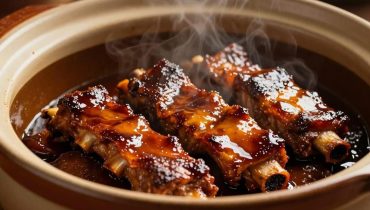
The transformation of a lamb shoulder into an exceptional dish relies on one fundamental principle: patience. At 135°C (275°F) for 4.5 to 5 hours, the gentle heat performs a remarkable metamorphosis. The natural collagen of this marbled cut gradually breaks down, while the meat self-bastes in its own juices, creating a continuous enrichment process.
This low-temperature cooking achieves a texture so meltingly tender that the meat falls off the bone by itself. Unlike fast methods that dry out the meat, this approach preserves every fiber while developing deep aromas. The marbled fat melts slowly, imbuing the meat with exceptional smoothness without heaviness.
The finish at 190°C (375°F) during the last 30 minutes provides the final touch: a golden caramelization on the surface that contrasts with the interior tenderness. This crucial step creates a slightly crispy crust while maintaining the moisture acquired during the previous hours. The result? A piece that reconciles melting texture and concentrated flavors, the fruit of technical mastery where time becomes the ally of taste.
The Triple Action Marinade: Garlic, Honey, and Mustard
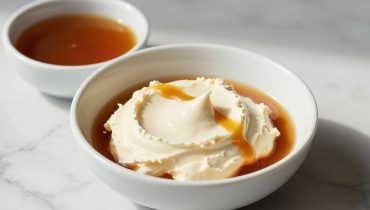
Beyond patience, it is the balance of the marinade that transforms this slow cooking into a taste experience. The combination of two types of mustard – Dijon for its punch and wholegrain for its texture – creates an aromatic complexity that neither ingredient could offer alone. Honey provides the essential sweet counterpoint, tempering the acidity of the mustards without tipping into excessive sweetness.
The 6 finely chopped garlic cloves constitute the aromatic backbone of this paste. Their penetrating fragrance diffuses gradually into the meat during the hours of cooking, developing caramelized notes on the surface. Fresh rosemary and thyme, finely chopped, complete this profile by bringing their herbaceous and slightly camphorated nuances, which naturally resonate with lamb.
This paste performs a remarkable double job: it penetrates the meat throughout the cooking while melting to mingle with the meat juices. The escaping fats gradually dissolve the honey and mustards, creating a naturally glossy, intensely fragrant sauce. Far from being a simple protective layer, this marinade becomes the vehicle for continuous aromatic osmosis, where each component enriches the meat with deep flavors that are simultaneously salty, slightly sweet, and remarkably balanced.
Scoring Technique And Strategic Preparation
Even before the meat meets the heat, precise actions determine its final success. Careful drying with paper towels is not a formality: any residual moisture prevents the aromatic paste from adhering correctly, creating unseasoned areas. This step eliminates surface juices that would dilute the marinade and compromise caramelization.
Scoring the fat layer in a crosshatch pattern reveals its full importance during the first hours of cooking. These strategic incisions create channels where the mustard-honey paste infiltrates directly toward the meat, while the fat melts progressively without forming an impermeable barrier. The result: maximum aromatic penetration and a more uniform finish.
Adding 120 ml of white wine and 120 ml of broth around the meat – never directly on top – respects a fundamental principle. This liquid maintains a humid atmosphere in the covered dish, preventing drying out, while preserving intact the aromatic crust forming on the surface. Over the hours, these liquids capture the dripping juices, concentrate, and transform into a naturally reduced sauce.
These technical details, often overlooked, orchestrate a self-enrichment process where each element feeds the others. Mastering these gestures transforms a simple recipe into a controlled culinary demonstration.
From Festive Dish To Refined Leftovers
This technical orchestration finds its culmination in the final moments. Resting for 10 to 15 minutes after leaving the oven allows the muscle fibers to relax and the internal juices to redistribute uniformly throughout the meat. Without this pause, the first cut would release a flood of precious liquid, instantly drying out the meat.
Generously basting with the cooking juices just before serving is not a mere aesthetic finish. This gesture recovers all the flavors concentrated during the hours of cooking – confit garlic, caramelized honey, softened mustard – and reintegrates them onto the surface of the meat. The glossy, reduced liquid coats each piece with a pure essence of enriched lamb.
Side dishes play a strategic role: roasted vegetables absorb the juice, creamy mash contrasts with the melting texture, rustic bread captures the last drops of sauce. But it is the next day that this recipe reveals its true nature. Leftovers, gently reheated, see their flavors intensified by overnight maturation. The cooled fat solidifies into a savory jelly, and the spices penetrate even deeper.
For 1.8 to 2.3 kg of meat, this lamb shoulder represents a time investment that multiplies into several memorable meals. A dish of character designed for those moments when cooking becomes a generous act rather than a constraint.