📌 Lamb shanks: how 3 hours of oven cooking transform ordinary meat into a melting dish
Posted 19 January 2026 by: Admin
The Magic Of Time: A Recipe Of Patience And Tradition
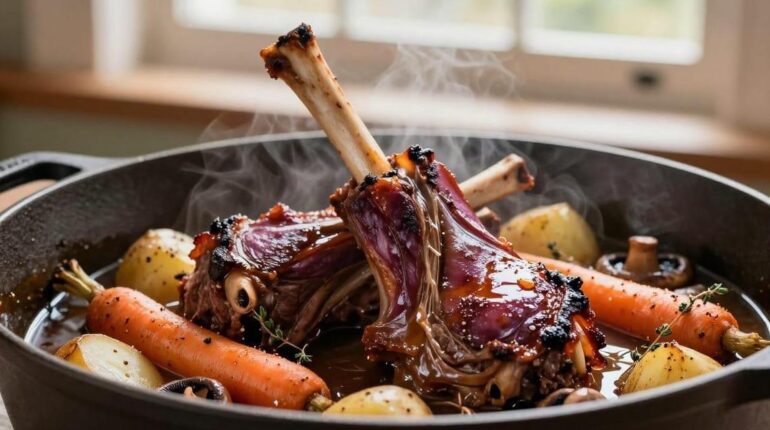
In the culinary world, some dishes reveal their secrets only to those who agree to slow down. These long-braised lamb shanks perfectly embody this philosophy: three hours of slow cooking at 160°C transform a rustic cut into a gastronomic masterpiece. The magic happens thanks to the collagen present in the shanks, which gradually breaks down under gentle heat, metamorphosing the fibers into a texture of exceptional tenderness.
The result speaks for itself: the meat almost falls off the bone, an indisputable sign of perfectly mastered braising. This ancestral technique, passed down from generation to generation, relies on a simple but implacable principle: giving time the role of true conductor. Unlike quick cooking methods that sear the surface, prolonged braising penetrates to the heart of the cut, gradually releasing all the aromas trapped in the fibers.
The alliance between the simplicity of ingredients and the sophistication of the final result constitutes the nobility of this preparation. Onions, carrots, fresh herbs: nothing exotic, nothing superfluous. Yet, these modest elements, combined with patient cooking, produce a deeply comforting dish, generous and rooted in French culinary tradition. The Dutch oven becomes the stage for an almost alchemical transformation, where patience proves to be the most precious ingredient.
The Orchestration Of Flavors: From Browning To Reduction
The aromatic construction of this dish relies on a succession of technical steps where every gesture counts. The initial browning of the shanks for 8 to 10 minutes in hot olive oil triggers the Maillard reaction, that surface caramelization that creates the flavor foundations of the dish. This golden coloring is not just aesthetic: it generates complex aromatic compounds that will enrich the sauce throughout the cooking process.
The tomato paste, cooked for exactly 2 minutes in the meat juices, intensifies the depth of the jus by concentrating its natural sugars. Too short, it remains acidic; too long, it burns. This precision transforms a modest ingredient into a flavor amplifier. The crucial moment occurs during deglazing: meticulously scraping the bottom of the pot with the broth recovers every caramelized particle, those precious juices that contain the very essence of the dish.
The sauce then evolves independently during the three hours of cooking. The broth gradually reduces, taking on the aromas of the meat and vegetables, gaining smoothness. If necessary, a final reduction of a few minutes on the heat transforms this jus into a velvety, coating sauce. This rigorous orchestration, from the first contact with heat to the final reduction, methodically builds the aromatic complexity that characterizes great braised dishes.
The Symphony Of Vegetables And Aromatic Herbs
Vegetables do not play a secondary role in this dish: they become aroma concentrators during the three hours of braising. Carrots, potatoes, and mushrooms bathe in the juice enriched by the meat, gradually absorbing flavors while releasing their own natural sugars. This culinary osmosis transforms simple vegetables into essential components of the dish, as flavorful as the shanks themselves.
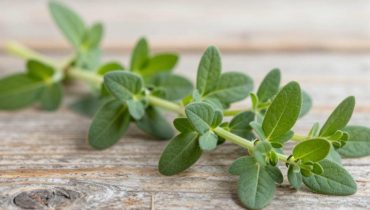
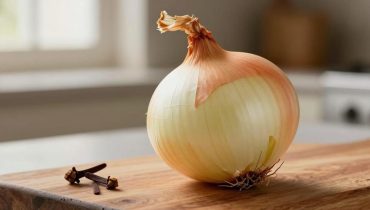
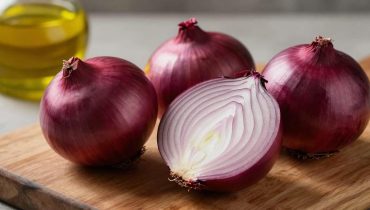
The aromatic trio of onion-garlic-fresh herbs structures the flavor balance. The onion, sautéed for 5 minutes until translucent, brings its caramelized sweetness. The garlic, added briefly to avoid bitterness, deploys its aromatic power. Thyme and bay leaf infuse slowly during cooking, tempering the richness of the meat with their subtle vegetal notes. These rustic herbs create an aromatic depth that avoids any heaviness.
The finish with fresh chopped parsley brings an indispensable touch of freshness. After three hours of cooking, this vibrant vegetal contrast wakes up the palate, balancing the density of the dish. Every vegetal element, from the juice-soaked mushroom to the melting potatoes, participates in this gustatory architecture where nothing is accessory. The vegetables are not served with the meat: they are an integral part of a harmonious whole where each ingredient amplifies the others.
A Generous Dish For Special Occasions
This preparation requires 3h20 in total, but only 20 minutes of active work. The rest belongs to the oven, which operates its transformation while you attend to other matters. This ratio of time invested to result obtained makes the braised shank the strategic choice for savvy hosts: little visible effort, maximum impact on guests.
The 650 kcal per portion reflect the assumed generosity of the dish. This is gathering cuisine, intended for Sunday lunches where one takes their time, for convivial dinners that celebrate sharing. Serving these shanks is offering much more than a meal: it’s creating a suspended moment where conversations stretch to the rhythm of the tasting.
The sides complete without weighing down. Rustic bread deliciously soaks up the concentrated sauce. A homemade mash brings its creamy smoothness, while a green salad introduces the necessary freshness after the richness of the main course. Some will simply prefer the braised vegetables from the dish itself, already bursting with flavor.
This recipe embodies a welcoming cuisine where technique fades behind emotion. Four portions that nourish both bodies and bonds, transforming a simple meal into a memorable event. Braised lamb shank reminds us that the best tables are not measured by their complexity, but by their ability to bring people together.