📌 Kinder-Style Marbled Pastries
Posted 28 March 2026 by: Admin
Kinder Brioche from the supermarket is convenient. But it’s also a list of additives that no one really reads. The good news: the real thing, the one that smells of butter and hot cocoa, is made with fewer than ten ingredients.
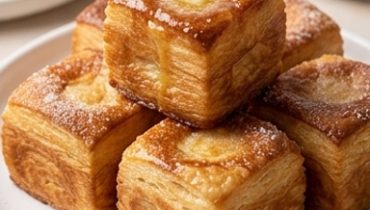
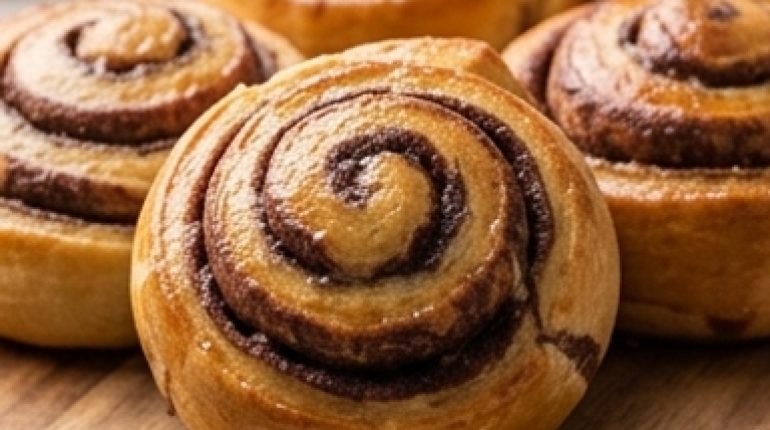
Sitting on a board, still warm, this marbled brioche gives off a dense scent of melted butter mixed with cocoa, with a note of orange arriving in the background. The crust shines with an amber glow like light caramel, slightly sticky under the finger — that’s the syrup’s work. When you tear it open, the crumb stretches into fine, supple threads, alternating between the creamy beige of the plain dough and the deep brown of the cocoa. A texture that no plastic packaging has ever been able to reproduce.
Why you’ll love this recipe
Ingredient Notes
All the simple and natural ingredients that go into these artisanal pastries, without additives or preservatives.
- Fresh yeast : Not baking powder, not dry yeast — fresh yeast, the little grey-beige cube found in the butter aisle. It gives a delicate aroma and a softness that dry yeast doesn’t quite match. If you can only find dry, use about 2.5 g of dry for 8 g of fresh, but dissolve it in warm milk anyway.
- The mix of type 0 / type 00 flour : This isn’t an Italian whim. Type 0 brings elasticity, type 00 brings finesse. Together, they create a dough that stretches without tearing. In many regions, a classic all-purpose flour works if you don’t have both — the difference is subtle.
- Butter : Use good butter, at least 82% fat. It’s what gives that round taste and melting texture. Margarine or low-fat butter would result in something much flatter, even a bit oily. This is not the place to save pennies.
- Unsweetened cocoa : Bitter, not sweetened — that’s important. Classic Van Houten works very well. It creates the visual contrast of the marble and brings the chocolate flavor without weighing down the dough. Sweetened cocoa powder would make the whole thing cloying.
- Orange zest : Just one zest, finely grated. It doesn’t scream ‘orange’ in the mouth — it just brings a discreet freshness that balances the butter. Use an untreated orange, otherwise the zest can have a rather unpleasant waxy taste.
The dough is serious business — but not surgery
We start by waking up the yeast in warm milk. Warm, not hot — if the liquid exceeds 40°C, the yeast dies and the dough will never rise. Then mix the flours with the sugar, vanilla, and zest, then add the eggs and the milk-yeast mixture. Kneading takes a good quarter of an hour by hand, until the dough becomes smooth, supple, and pulls away cleanly from the sides. Incorporate the diced butter last, piece by piece — and the salt at the very end, because salt in direct contact with yeast slows it down. The dough will initially seem sticky and a bit soft. That’s normal. Keep going.
The part everyone rushes: dividing without haste
Once the dough is ready, cut it into two equal parts. One remains plain, the other receives the bitter cocoa. Knead the cocoa part until the color is homogeneous, without lighter streaks — this takes three or four minutes. Then, the two doughs go to rest separately, covered with a cloth, for 1.5 to 2 hours. The dough should double in volume and take on a slight fermented smell, almost like bread. That’s when you know it’s working.
Shaping the marble without the headache
Roll each dough into a roughly similar rectangle. Layer the plain dough over the cocoa dough, then roll the whole thing up like a tight log — you’ll feel the dough resist slightly, elastic under your palms. You can also cut this log in half lengthwise and twist the two halves together for a more pronounced spiral effect. Then form the pieces: small oval buns, balls, or slices cut from the log. Let rest for another 30 minutes. A short rise, but it changes everything for the lightness of the crumb.
The baking and the syrup that make the difference
Bake at 180°C for 15 minutes. The top should take on a golden color like light caramel — not brown, not pale. When it comes out of the oven, prepare the syrup: sugar and water heated until completely dissolved, cooled for two minutes. Generously brush the still-warm pastries. The syrup penetrates and seals the softness inside. Without it, the brioches dry out in a few hours. With it, they stay supple for two full days.
Tips & Tricks
- Don’t shorten the first rise. If your kitchen is cold, put the bowls in the turned-off oven with just the light on — it creates a gentle proofing box at about 28°C, perfect for yeast dough.
- The butter must be at room temperature when you incorporate it. Cold butter fragments and doesn’t integrate well, which gives a greasy and irregular texture — the dough looks oily in spots.
- For a more visually striking marble, slice the pieces from the rolled log instead of shaping them into balls: the spirals appear clearly in the cross-section and look very impressive.
- The syrup can be prepared in advance without any problem. It keeps for several days in the fridge in a small closed jar, and you can also flavor it with a few drops of vanilla extract or an infused orange zest.
I don’t have fresh yeast, can I use dry yeast?
Yes, no problem. Count 3 g of active dry yeast to replace 8 g of fresh yeast. Dissolve it in the warm milk anyway before incorporating it into the rest, exactly like the fresh one.
My dough didn’t rise, what happened?
The most common cause: the milk was too hot and killed the yeast. Beyond 40°C, fermentation stops permanently. Also check that your yeast isn’t too old — expired fresh yeast simply no longer works.
Can we fill the brioches with chocolate?
Absolutely, and it’s a great idea. Slip a square of dark chocolate or a spoonful of chocolate spread into the center before shaping the piece. Close the edges well to prevent it from leaking during baking.
How to store these pastries and how long do they last?
Wrapped in a clean cloth or an airtight bag, they stay soft for 2 days at room temperature and up to 3 days in the refrigerator. For longer storage, freeze them individually and let thaw at room temperature for 1 hour.
Can I prepare the dough the day before?
Yes, and it’s even recommended. After kneading, cover the dough and put it directly in the refrigerator overnight — the slow cold rise develops more aromas. The next morning, let it come back to room temperature for 30 minutes before shaping.
Is a stand mixer essential?
No, you can do everything by hand. It’s just more physical — count 15 good minutes of hand kneading versus 8 to 10 minutes with the hook. The dough is ready when it is smooth, supple, and no longer sticks to your fingers.
Kinder-Style Marbled Pastries
European
Breakfast / Snack
Homemade cocoa-vanilla marbled brioches, soft and orange-scented, finished with a shiny syrup. The artisanal version that surpasses the original.
Ingredients
- 350g type 0 flour (or bread flour)
- 150g type 00 flour (or pastry flour)
- 90g unsalted butter, at room temperature, diced
- 75g granulated sugar
- 8g fresh yeast (or 3g active dry yeast)
- 6g fine salt
- 80ml whole milk, warm
- 3 medium eggs
- 12g bitter cocoa powder (like Van Houten)
- 1 untreated orange zest, finely grated
- 1 sachet vanillin (or 1 tsp vanilla extract)
- 40ml water (for the syrup)
- 40g granulated sugar (for the syrup)
Instructions
- 1Dissolve the fresh yeast in the warm milk (max 38°C) and let rest for 5 minutes.
- 2In a large bowl, mix the two flours, sugar, vanillin, and orange zest. Make a well, add the eggs and the milk-yeast mixture.
- 3Knead for 10 minutes, then incorporate the diced butter little by little. Add the salt last. Continue kneading for 5 minutes until a smooth and supple dough is obtained.
- 4Divide the dough into two equal parts. Incorporate the bitter cocoa into one of the halves and knead until the color is homogeneous.
- 5Cover the two doughs separately and let rise at room temperature for 1.5 to 2 hours, until doubled in volume.
- 6Roll out each dough into a rectangle. Overlay the plain dough on the cocoa dough, then roll into a tight log. Cut into 8 sections or shape into small buns.
- 7Place the pieces on a tray lined with parchment paper. Let rest for 30 minutes.
- 8Bake at 180°C (fan oven) for 15 minutes, until golden brown.
- 9Meanwhile, bring the water and sugar for the syrup to a boil. Let cool for 2 minutes.
- 10Generously brush the still-hot pastries with the syrup using a brush. Let cool on a wire rack.
Notes
• Preparation the day before: after kneading, place the covered dough in the refrigerator overnight. The slow rise develops more flavor. Take it out 30 minutes before shaping.
• Filled variant: slip a square of dark chocolate or a dollop of chocolate spread into the center of each piece before the second rise. Seal the edges well.
• Storage: wrapped in an airtight bag, the pastries keep for 2 days at room temperature or can be frozen for up to 1 month.
Nutrition Facts (per serving, estimated)
| 400 kcalCalories | 10gProtein | 60gCarbs | 12gFat |