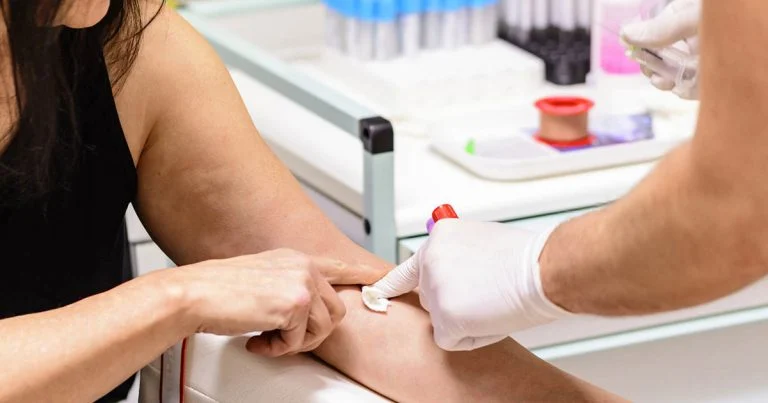
Because the disease can advance silently for years, health experts recommend routine blood and urine screenings — particularly for people over 40. Simple tests can often detect kidney problems well before they become severe, making early identification a key factor in limiting long-term damage.
How to reduce risk: choosing safer coffee and protecting kidney health
Experts recommend purchasing coffee from manufacturers with transparent sourcing and quality-control practices. Consumers should check packaging carefully for production dates, full ingredient lists, quality certifications, and clear manufacturer information, and avoid products where any of these elements are missing.

Proper storage also matters: coffee should be kept in cool, dry locations in airtight containers to reduce the risk of mold growth. Products that promise dramatic medical results — weight loss, disease cures, or detoxification — should be treated with skepticism, as coffee is a beverage, not a therapeutic treatment.
Beyond coffee choices, broader lifestyle habits play a significant role in kidney protection. Staying adequately hydrated, controlling blood pressure and blood sugar, maintaining a healthy weight, and avoiding smoking are all measures physicians commonly recommend to reduce the risk of chronic kidney disease.
No official investigation into the specific case has been publicly announced, and the full medical history of the man involved has not been disclosed. The broader questions raised — about regulatory oversight of coffee product labeling, the prevalence of adulterated products in various markets, and the threshold at which mycotoxin levels become clinically significant — remain open areas of concern for food safety authorities and researchers alike.