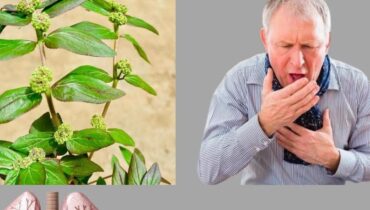
📌 Kalanchoe: how this succulent plant has naturally relieved coughs, inflammation, and wounds for generations
Posted 24 March 2026 by: Admin
Kalanchoe: A Plant With Ancestral Roots
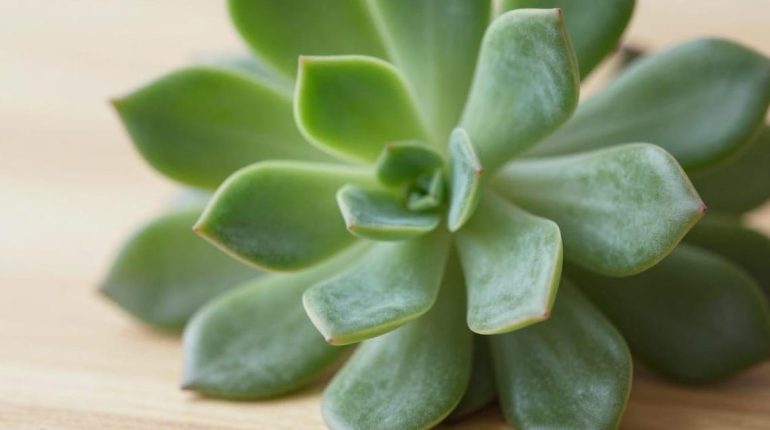
In a world where chemical solutions dominate, a growing number of people are turning to nature to rediscover simple and proven wellness practices. Among the plants sparking interest is Kalanchoe, this succulent with fleshy leaves nicknamed the “plant of life” or “Goethe’s plant.”
This succulent is nothing new. For generations, it has accompanied care traditions in Africa, Asia, and Latin America. Its secret lies in its thick leaves, true reservoirs of water and natural bioactive compounds. These elements forged its reputation in the traditional pharmacopoeias of several continents long before modern science began to take an interest.
The resilience of Kalanchoe in its natural environment reflects its internal composition: protection, regeneration, and adaptation mechanisms that have caught the attention of traditional practitioners. Contrary to sensationalist promises, the appeal of this plant rests on a heritage of empirical observations passed down from generation to generation.
Today, its use continues to evolve between respect for ancestral knowledge and contemporary curiosity. This resurgence of interest does not stem from announced miracles, but from a desire to reconnect with documented natural approaches, provided they are used with discernment and responsibility.
Traditional Uses: From Respiration To Skin
These bioactive compounds, inherited from millennia of adaptation, have given rise to six clearly documented areas of traditional use. None claim the status of a miracle cure, but all rely on observed and transmitted practices.
For respiratory support, the infusion of fresh leaves is the preferred method in many cultures. It aims to soothe mild coughs and seasonal congestion, without replacing appropriate medical treatment. External application reveals another side of Kalanchoe: leaves crushed into a paste are traditionally applied to uncomfortable joints or areas with slight swelling.
Water balance represents a third axis of use. Some traditions use the infusion to support natural kidney functions, while preliminary studies suggest possible relaxing and mild diuretic effects that could contribute to blood pressure balance. These observations remain to be scientifically confirmed.
Skin care is perhaps the most widespread use: fresh leaves applied to minor burns, superficial cuts, or skin irritations. This practice is explained by the antibacterial and regenerative properties attributed to the plant. Finally, the presence of bufadienolides in its composition is the subject of current scientific studies, fueling interest for complementary uses in certain regions.
An essential reminder: “this does not replace medical treatment” and any use must be discussed with a healthcare professional.
Home Recipes And Practical Instructions
These traditional uses are put into practice through two simple protocols, reproducible at home with strict precautions.
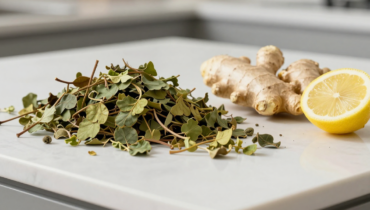
Kalanchoe infusion requires two carefully washed fresh leaves for 250 ml of boiling water. Cut into small pieces, they steep for ten minutes before filtering. Adding honey or lemon is optional. The recommended dosage is limited to one cup daily on an empty stomach for seven to ten days, followed by a mandatory break before any resumption. This rhythm avoids the accumulation of active compounds in the body.
For external applications, the Kalanchoe compress uses three fresh leaves crushed into a homogeneous paste. Placed on gauze or clean cloth, it is applied directly to the affected area for twenty to thirty minutes, up to twice a day as needed. This method is particularly suitable for joint discomfort or minor skin issues.
A table summarizes the nine documented potential properties: anti-inflammatory and antibacterial effects, skin support and mild discomfort relief, compounds under scientific investigation, diuretic action, expectorant effect favoring mucus elimination, strengthening of natural defenses, and contribution to general balance. Each property is accompanied by its presumed role in the body, without a guarantee of systematic effectiveness.
This methodical approach transforms traditional knowledge into accessible actions, provided that dosages and durations of use are scrupulously respected.
Precautions And Responsible Use
This practical accessibility does not exempt one from rigorous vigilance. Kalanchoe, despite its natural origin, imposes strict consumption limits: never more than two to three leaves per day, regardless of the form of use. Beyond that, bufadienolides and other bioactive compounds can disrupt physiological balance.
Contraindications specifically concern pregnant or breastfeeding women, due to the lack of studies on fetal effects or transmission via breast milk. People suffering from chronic pathologies—cardiac, renal, hepatic—must imperatively consult a healthcare professional before any use. Prolonged continuous use, beyond two consecutive weeks, is discouraged to avoid accumulation phenomena.
Correct identification of the plant is an absolute prerequisite. Several species of Kalanchoe exist, and not all have the same properties or safety profile. Botanical confusion can lead to unexpected adverse effects.
Testimonials of use span continents: in Cuba and the Dominican Republic, it is used for respiratory ailments and kidney support; in Mexico, for bruises and localized discomfort; in Africa and India, primarily for skin application. These ancestral practices reflect traditions, not validated scientific certainties.
The central reminder remains: natural never means risk-free. Informed caution takes precedence over spontaneous enthusiasm.