📌 Joint pain: turmeric and 5 other science-backed natural remedies
Posted 1 March 2026 by: Admin
The Origins And Mechanisms Of Muscle And Joint Pain
Millions of people worldwide suffer daily from muscle and joint pain, whether they are professional athletes or office workers. These afflictions are rooted in four main causes validated by medical research.
Physical overuse is the primary trigger. Repeated exercises, sudden movements, or excessive strain generate micro-lesions in muscle fibers, causing that characteristic feeling of stiffness. The aging process and arthritis represent unavoidable chronic factors, as the natural wear and tear of cartilage leads to increased friction between joints.
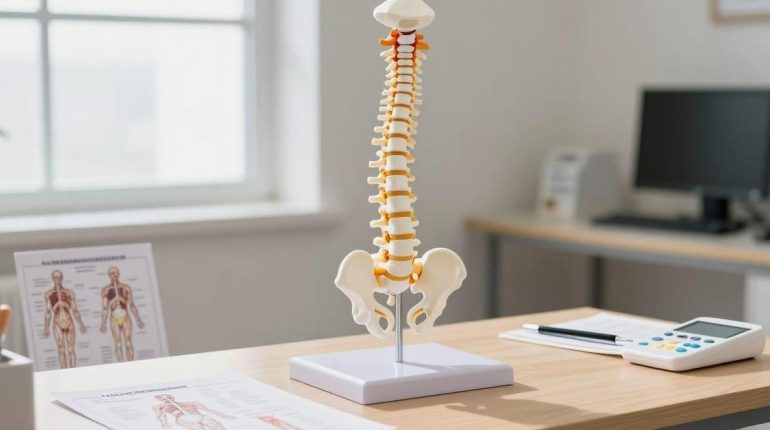
But two causes remain largely underestimated: poor posture and persistent inflammation. Hours spent in front of a screen, inadequate sitting positions, or improperly carrying loads create muscle tension that gradually turns into chronic pain. Inflammation sets in insidiously and maintains a vicious cycle of joint suffering.
Faced with these complex mechanisms, natural remedies take a targeted approach: reducing inflammation, improving blood circulation, and decreasing stiffness, without resorting to heavy medication. This therapeutic strategy offers a gentle but effective alternative, particularly suited to the mild to moderate pain that affects the daily lives of so many individuals.
The Natural Therapeutic Arsenal: Three Scientifically Proven Solutions
This understanding of mechanisms opens the way for precise natural interventions, whose effectiveness is based on solid scientific data rather than simple folk beliefs.
Turmeric, and more specifically its active ingredient curcumin, stands at the forefront of natural anti-inflammatories. Clinical studies demonstrate its ability to significantly reduce joint swelling and associated discomfort, thanks to its powerful antioxidant properties. A crucial detail improves its absorption: the combination with black pepper multiplies its effectiveness twentyfold, transforming this ancestral remedy into a validated modern treatment.
Deep massage constitutes the second major therapeutic weapon. By stimulating blood circulation, this technique releases accumulated muscle tension and accelerates the elimination of toxins responsible for pain. Foam rolling offers an accessible alternative for daily use, while a professional sports massage provides rapid relief during acute flare-ups.
Heat and cold therapy completes this arsenal with a strategic approach. Cold compresses act immediately after an injury, reducing inflammation by constricting blood vessels. Conversely, heat proves more effective for chronic pain, dilating vessels to improve circulation and relax contracted muscles. This temporal distinction between acute and chronic treatment optimizes results according to the nature of the affliction.
These three approaches share a common advantage: their targeted action on the physiological causes of pain, paving the way for complementary strategies focused on movement and nutrition.
Movement And Nutrition: Two Complementary Pillars Of Recovery
These therapeutic interventions deploy their full potential when combined with progressive joint mobilization and targeted anti-inflammatory nutrition.
Gentle physical activity maintains joint flexibility without worsening existing lesions. The cat-cow pose in yoga improves spinal flexibility by alternating extension and flexion of the spine, while hamstring stretches directly relieve chronic low back pain. Light walking, often underestimated, activates circulation without imposing excessive mechanical stress. This regular movement prevents progressive stiffness, a major factor in the worsening of long-term joint pain.
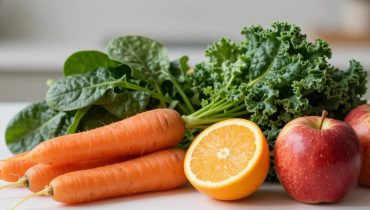
Nutrition constitutes the second pillar of this integrated strategy. Omega-3 fatty acids, found in high concentrations in salmon and flaxseeds, reduce the body’s production of pro-inflammatory molecules. Antioxidant-rich fruits, particularly berries, neutralize free radicals responsible for chronic inflammation. Leafy green vegetables and oilseeds complete this nutritional system by providing magnesium and vitamin E, essential nutrients for muscle health.
This nutritional approach acts on systemic inflammation, unlike local treatments. The benefits manifest gradually, generally after two to three weeks of regular consumption, leading to lasting improvement rather than temporary relief.
These two therapeutic axes, adapted movement and targeted nutrition, prepare the body for improvements that are consolidated by simple but decisive daily adjustments.
Daily Habits And Effectiveness Of Natural Approaches
These nutritional and physical adjustments rely on behavioral foundations that determine their long-term effectiveness.
Regular hydration optimizes the viscosity of synovial fluid, the essential lubricant for joints. Seven to eight hours of sleep per night allows for muscle tissue regeneration and the regulation of inflammatory processes. Maintaining a healthy weight mechanically reduces the load on weight-bearing joints, particularly knees and hips. Ergonomics at work, often neglected, prevents chronic postural tensions responsible for neck and back pain. These daily habits create a physiological environment favorable to recovery.
The speed of action varies by intervention. Heat-cold therapy provides relief in minutes through its action on nerve endings and local circulation. Turmeric and dietary changes require two to four weeks to produce measurable effects on systemic inflammation. This differentiated timing allows for strategically combining approaches to achieve both immediate soothing and lasting improvement.
Natural remedies demonstrate proven effectiveness for mild to moderate pain, documented by several clinical studies on curcumin and omega-3s. Their compatibility with conventional medical treatments offers an integrative approach, provided a healthcare professional is consulted to avoid drug interactions. This scientific validation transforms these ancestral practices into accessible, safe therapeutic solutions adapted for autonomous pain management.