The Toothpick Soldier Who Conquered Omaha Beach
At fifteen, Jake Larson lied about his age to join the Minnesota National Guard. Born in Owatonna on December 20, 1922, the teenager claimed he was eighteen and convinced recruiters to let him serve. This deception would launch one of the most remarkable military careers in American history.
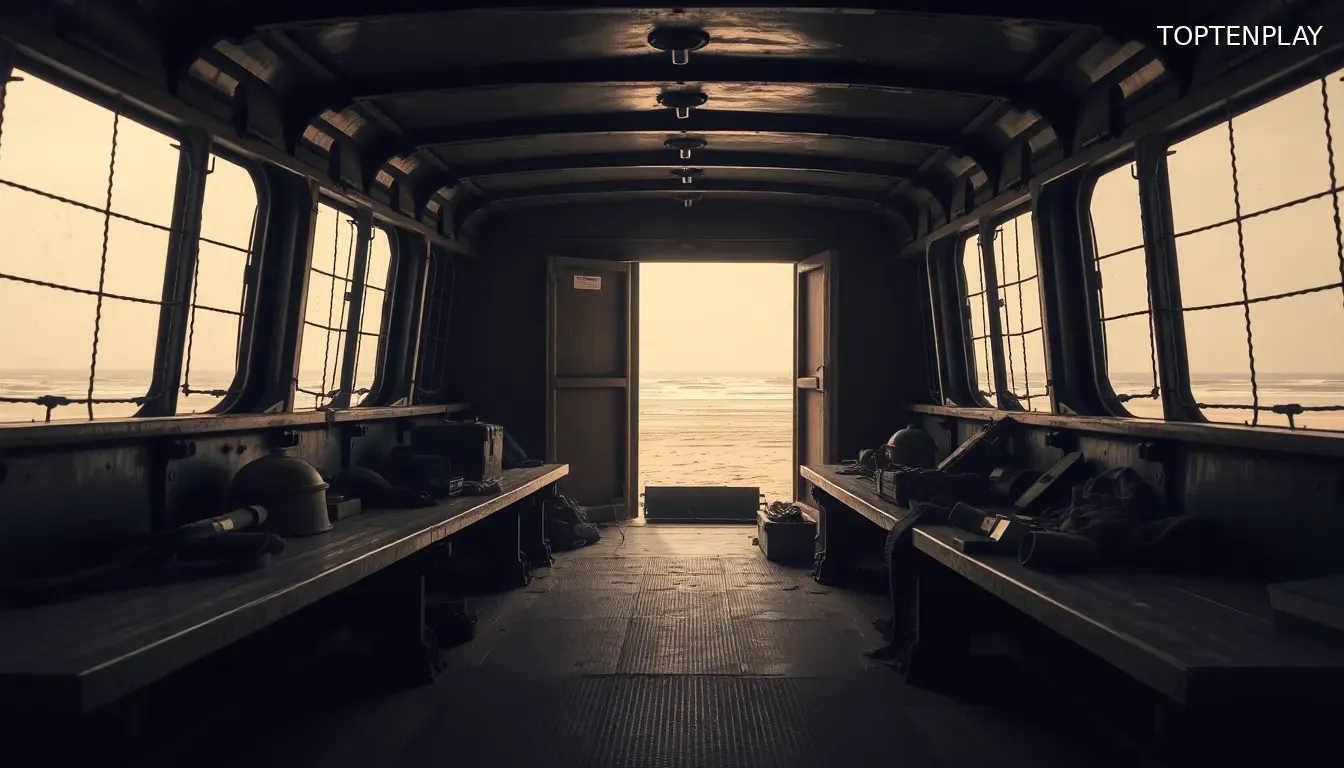
Assigned to the U.S. Army’s 135th Infantry Regiment in the 34th Infantry Division—known as the “Red Bull”—Larson found himself deployed to Ireland as World War II raged across Europe. But his defining moment came on June 6, 1944, when he became one of 34,000 Allied soldiers storming the beaches of German-occupied Normandy.
Standing just 5’7” and weighing only 120 pounds, Larson was hardly the imposing figure one might expect of a D-Day hero. His slight frame, however, may have saved his life during the chaos of Omaha Beach. As enemy machine gun fire erupted around him, the young soldier dodged death with characteristic humor intact.
“Thank God the Germans aren’t good at shooting at toothpicks,” he would later recall, referencing his lean build with the self-deprecating wit that would eventually captivate millions decades later.
This unlikely warrior—barely out of his teens, physically unimposing, yet mentally unbreakable—embodied the spirit of an entire generation. While 2,400 American troops died during the Omaha Beach invasion, Larson’s survival would prove instrumental not just for Allied victory, but for preserving firsthand testimony of history’s most pivotal battle.
From War Hero To Digital Phenomenon At 102
The same spirit that carried Larson through enemy fire would decades later conquer an entirely different battlefield: social media. At an age when most centenarians struggle with basic technology, Papa Jake became a global sensation, amassing 1.2 million followers on TikTok and over 11 million likes across his posts.
His handle @storytimewithpapajake transformed into a digital bridge between generations, with more than 16,000 YouTube subscribers hanging on every word of his wartime recollections. The contrast couldn’t be more striking—the 21-year-old who dodged Nazi bullets at Normandy had evolved into a 100-year-old influencer dodging the algorithm’s unpredictable whims.
With help from his family, Larson’s authentic storytelling cut through the noise of manufactured content. His war memories, delivered with unflinching honesty and unexpected humor, garnered millions of views across platforms. While younger creators chase viral moments with elaborate productions, Papa Jake needed only his voice and lived experience.
The phenomenon revealed social media’s unexpected power to preserve history. Each post became a digital time capsule, ensuring that firsthand accounts of D-Day would reach audiences far beyond traditional documentaries or textbooks. His global following proved that authentic stories transcend age barriers, algorithmic preferences, and generational divides.
From storming beaches to storming feeds, Jake Larson had mastered both analog courage and digital connection—a rare achievement for someone who witnessed the world transform from typewriters to TikToks.
The Unforgettable Testimonies That Captivated Millions
What made Papa Jake’s digital success so remarkable wasn’t just his age—it was the raw power of his storytelling. His recollections of D-Day carried an authenticity that no Hollywood production could replicate, delivered with the matter-of-fact honesty of someone who had lived through history’s darkest hours.
« It seemed like that the landing was an eternity, with all the firing going on…. I can’t describe it, » Larson recalled in one of his most viewed posts. When followers asked if he was scared during the Omaha Beach invasion, his response cut straight to the heart: he feared stepping on landmines more than enemy bullets. This unflinching candor about combat psychology resonated across generations.
His vivid descriptions of escaping machine gun fire and navigating the chaos of D-Day garnered millions of views across platforms. Unlike sanitized textbook accounts, Papa Jake’s testimonies captured the sensory overload of war—the sounds, the fear, the split-second decisions that meant survival or death.
The 102-year-old veteran possessed something increasingly rare in today’s digital landscape: lived experience that couldn’t be manufactured or scripted. His storytelling style—conversational yet profound—transformed abstract historical events into deeply personal moments that viewers could almost feel themselves experiencing.
Through his viral testimonies, Papa Jake achieved what historians have struggled with for decades: making World War II viscerally real for audiences who never knew a world at war. His digital legacy became a living memorial, ensuring that the voices of his fallen comrades would echo across cyberspace long after the last veteran was gone.
A Legacy Of Honor And Humor Until The Very End
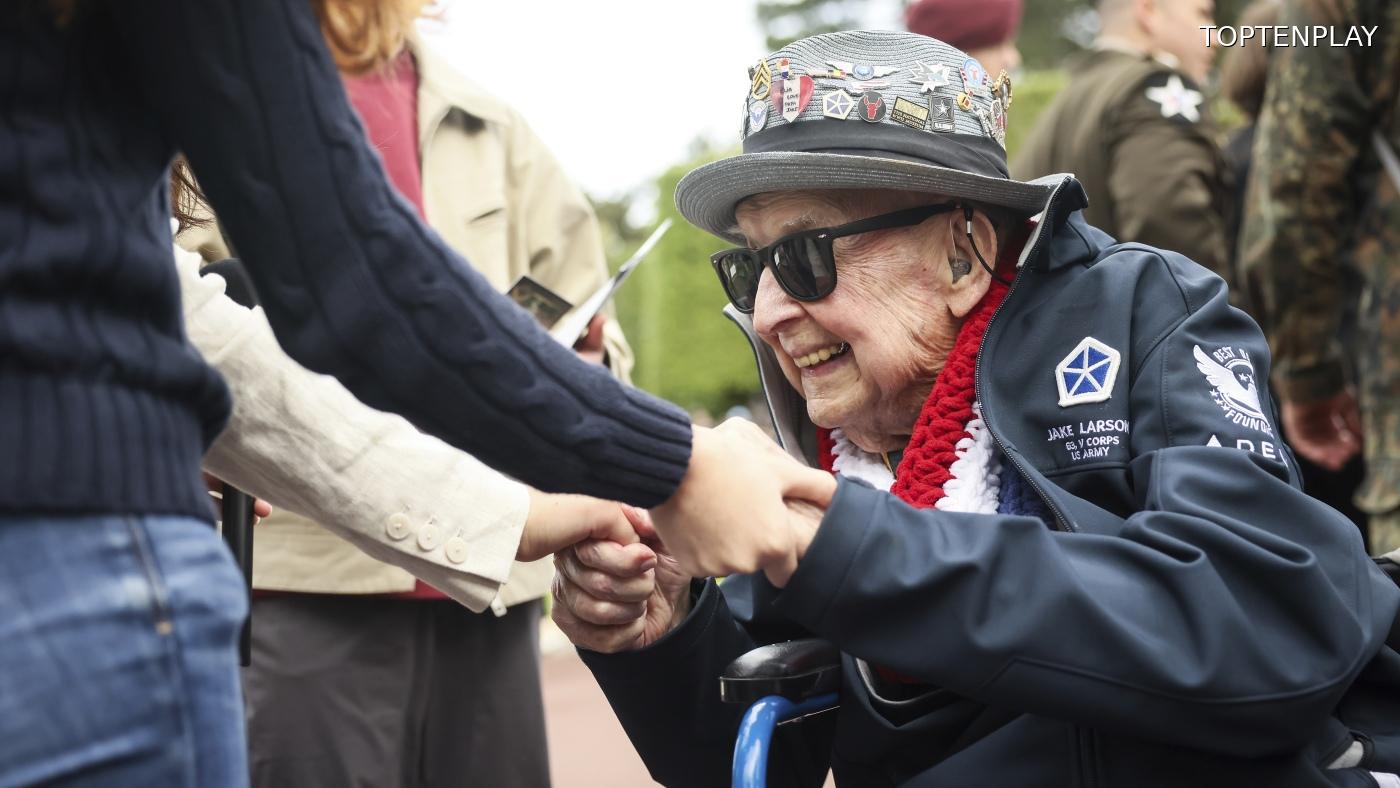
That living memorial Papa Jake created through his digital testimonies would outlive even its creator. On a quiet Saturday, the 102-year-old veteran passed away, still embodying the spirit that had captivated millions worldwide.
« Peacefully and was even cracking jokes til the very end, » his granddaughter Mckaela revealed in a heartfelt TikTok tribute. Even in his final moments, Papa Jake remained true to the warmth and humor that had endeared him to followers across generations.
His decorated military career had already secured his place in history. The Bronze Star recognized his battlefield courage, while France’s Legion of Honor—the nation’s highest distinction—honored his role in liberating occupied Europe. More recently, his Emmy-winning CNN interview with Christiane Amanpour about D-Day cemented his status as both war hero and master storyteller.
But perhaps his greatest honor came from an unexpected source: the digital family he’d built through social media. Mckaela’s promise to continue sharing his stories ensures that Papa Jake’s voice won’t fade with his passing. « When the time is right, I will continue to share Papa Jake’s stories and keep his memory alive, » she wrote.
Her closing words captured the essence of the man who’d survived Omaha Beach and conquered TikTok with equal grace: « As Papa would say, love you all the mostest. » A simple phrase that embodied a century of wisdom, delivered with the same authenticity that had made him an unlikely digital phenomenon.