📌 Instant Pot Chicken Stew: How to get a creamy herb dish in less than an hour
Posted 9 March 2026 by: Admin
The Express Recipe Revolutionizing Weeknight Dinners
Forty-five minutes. That is the time needed to transform raw ingredients into a complete artisanal stew, whereas traditional methods require three to four hours of monitoring. This time compression relies on the Instant Pot’s pressure cooking, which reaches higher temperatures due to the lack of evaporation, tenderizing the meat and fusing flavors in a fraction of the usual time.
The gain goes beyond simple minute-saving. For less than $20, this stew feeds an entire family while generating extra portions for the next day. Organic chicken thighs, sold at affordable prices, advantageously replace premium cuts, as their dark meat stands up better to intensive cooking without drying out. Seasonal vegetables complete the budget equation: carrots, celery, baby potatoes, and frozen peas provide an accessible, nutritious base.
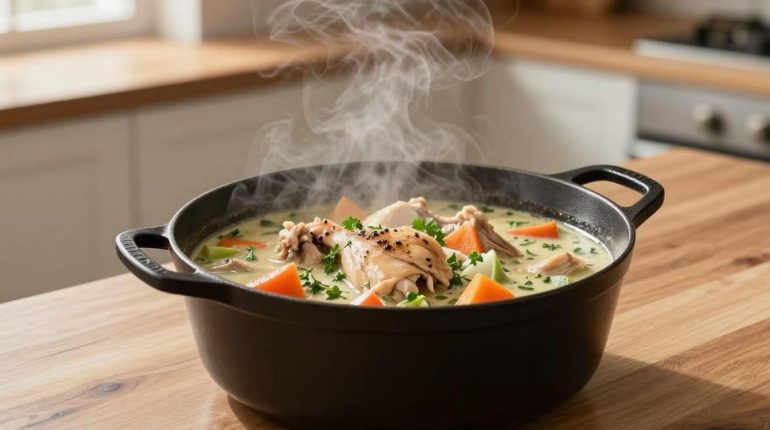
The operating sequence is divided into three distinct phases. Thirty minutes are enough to sear the chicken until golden brown, sauté the onion and garlic, then integrate peppers, carrots, and celery before deglazing with white wine. Ten minutes of pressure cooking follow, allowing the fibers to relax and the aromatics to penetrate uniformly. Five final minutes thicken the broth with cream and a cornstarch slurry, creating that characteristic velvety texture.
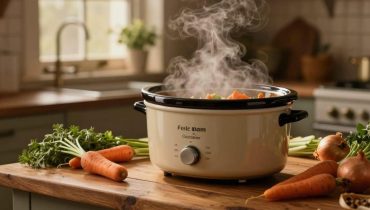
This efficiency transforms busy weeknights. While the appliance operates autonomously, no monitoring is required. The result equals that of an artisanal slow cooker but adapts to the constraints of modern schedules where time is the most precious resource.
Secrets to Perfect Texture: Avoiding Common Pitfalls
The main enemy of this recipe has a dreaded name: the “burn” notification. This safety alert activates when charred residue sticks to the bottom of the pot, abruptly interrupting the cooking. The solution lies in systematic deglazing with white wine after the searing phase, using a wooden spoon to meticulously detach every golden fragment stuck to the metal surface. This liquid must constitute the first liquid layer, followed by the broth, ensuring at least one cup of fluid as a base before any thickeners are added.
The layering of ingredients follows a precise logic. The seared meat rests above the liquids, while flour sprinkled at the very end of the preparatory phase avoids direct contact with the heating bottom. Cornstarch and cream enter only after complete depressurization, as their premature incorporation inevitably causes the appliance to stop automatically.
The choice of potato variety determines the final success. Waxy tubers – red or yellow – maintain their cellular structure under pressure, resisting disintegration. Conversely, starchy varieties like Russet turn into a shapeless mash, releasing their starch into the broth and making it excessively cloudy. Small specimens are cooked whole with their skin, while larger ones require cutting into generous cubes of at least two centimeters.
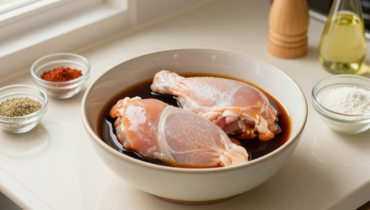
Chicken requires special attention to avoid dryness. Drying beforehand with paper towels allows spices to adhere uniformly, creating a protective crust during the initial sear. This surface caramelization traps the juices inside, while thighs, naturally fattier than breasts, tolerate intensive cooking better without hardening. Large pieces also resist prolonged heat superiorly, with some cooks even leaving them whole to maximize juiciness.
The Alchemy of Flavors: From Italian Cuisine to Cajun
Beyond technique, it is the aromatic orchestration that distinguishes this stew from ordinary versions. Pinot Grigio, with its notes of pear, green apple, and citrus, brings a bright acidity that deglazes the pot while tenderizing the muscle fibers. Its dry profile contrasts deliciously with the creamy richness of the final broth, creating a particularly refined taste balance. Sweetness lovers will prefer Riesling, whose aromas of peach and caramelized honey coat the meat with a fruity complexity.
The fresh herb bouquet constitutes the Mediterranean soul of the preparation. Thyme infuses its minty nuances, while rosemary deploys its slightly camphorous floral signature. Smoked paprika softens the whole with a sweet-spicy touch, unifying disparate flavors into a coherent symphony. This classic Italian base, however, tolerates multiple transpositions: a spoonful of Cajun seasoning transforms the dish into a fiery Louisiana stew, crispy bacon bits add an irresistible smoky depth, while a southern barbecue blend advantageously replaces Herbes de Provence.
The total absence of evaporation in the Instant Pot’s sealed environment inexorably concentrates flavors, intensifying every aromatic molecule. This physical peculiarity explains why low-sodium broth is an absolute imperative – a conventional product would produce overwhelming saltiness, masking the herbal subtleties. In case of accidental salt excess, adding lemon juice, vinegar, or extra cream effectively dilutes the imbalance without compromising the sought-after velvety consistency.
Optimal Storage and Strategic Sides
This culinary generosity extends well beyond the first serving. Stored in airtight containers, the stew retains its full creamy texture for five days in the refrigerator, with flavors continuing to meld and deepen. For optimal freezer management, the technique of individual portions in one-liter bags laid flat transforms vertical clutter into compact storage, allowing three to four months of preservation without flavor alteration.
Reheating requires the same precision as the initial cooking. After overnight thawing in the refrigerator, bringing it back to temperature over medium heat in a saucepan preserves the integrity of the vegetables and the velvety consistency of the broth, whereas the microwave would create hot spots irreparably degrading the carefully constructed textures.
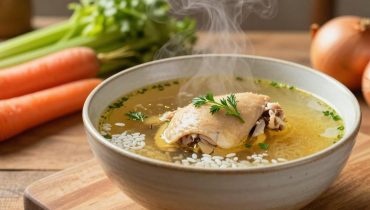
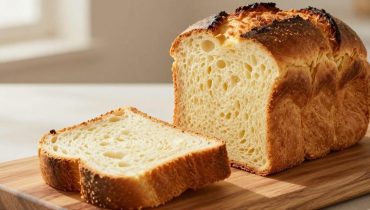
Strategic accompaniment decuples the experience. Rice prepared in the Instant Pot in foolproof mode absorbs the fragrant broth, while fresh egg pasta – achievable with just flour and eggs – offers an impressive artisanal base for Sunday dinners. The most spectacular solution remains artisanal bread bowls, doubling as an edible container and drastically reducing dishwashing. Children delightedly tear off crunchy pieces to dip into the creamy broth, transforming the meal into an interactive experience where every bite marries the soft crumb with the concentrated sauce.