The Real Nuisances Of Domestic Insects
Fly droppings on kitchen surfaces, nocturnal mosquito bites, bacteria carried by cockroaches: the presence of insects quickly transforms a home into a source of daily inconvenience. These domestic pests do not just annoy; they directly threaten the hygiene and well-being of the occupants.
Faced with this potential invasion, urgency calls for immediate intervention. Waiting for an infestation to take hold increases the difficulties of eradication. Insects reproduce at lightning speed: a few specimens are enough to generate an entire colony in a few weeks.
The good news? Natural solutions exist, without danger to health or environmental impact. Unlike commercial insecticides loaded with aggressive chemical substances, these alternative methods preserve indoor air quality while remaining formidably effective.
The secret lies in the intelligent use of everyday products. Vinegar, dish soap, fruit: these banal ingredients, present in every kitchen, transform into formidable weapons against invaders. Their accessibility allows for action without delay, from the first signs of invasion, for almost zero cost. Natural chemistry does the rest, attracting then trapping insects through simple but terribly effective mechanisms.

The Apple Cider Vinegar Trap: A Formidable Weapon
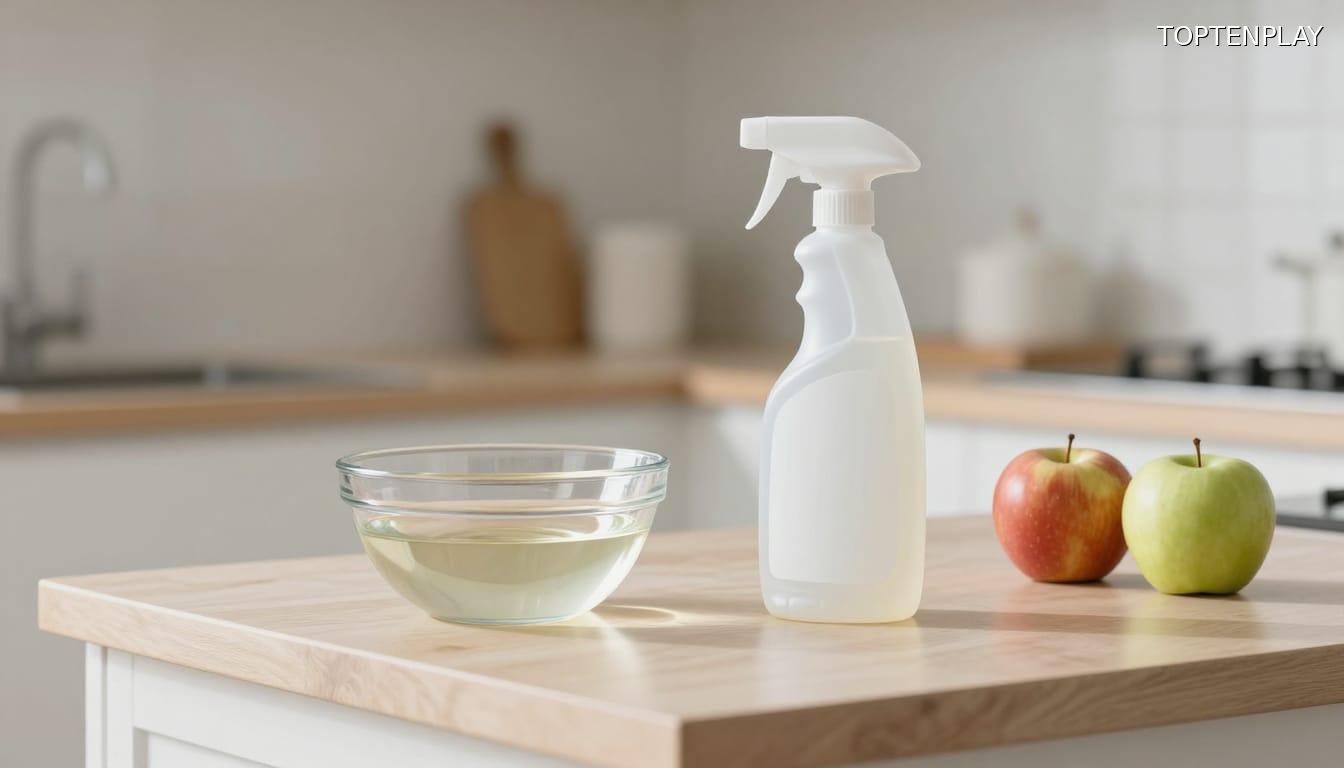
These banal ingredients find their most spectacular application in the apple cider vinegar trap, a device of disarming simplicity but formidable effectiveness. The necessary material is limited to apple cider or balsamic vinegar, a few drops of dish soap, a glass bowl, plastic wrap, and a toothpick.
The operating protocol consists of three steps: pour 2 to 3 centimeters of vinegar into the bowl, add a few drops of liquid detergent, then mix to dissolve. Place this trap in the infested area at the end of the day. The next morning invariably reveals a bowl full of dead specimens.
Darkness and nocturnal coolness are the true allies of this technique. Flies and other flying insects intensify their activity at dusk, attracted by the characteristic smell of fermented vinegar. This scent perfectly mimics that of decomposing fruit, an irresistible food source for these creatures.
The mechanism of action relies on a fatal trap: insects approach the liquid to feed, but the detergent breaks the surface tension of the water. Unable to land on the surface as they normally would, they immediately sink and drown. The following night renews the slaughter, gradually reducing the population until complete eradication. This ancestral method, passed down from generation to generation, proves its worth in all households facing seasonal invasions.
The Fruit Trap: Simplicity And Efficiency
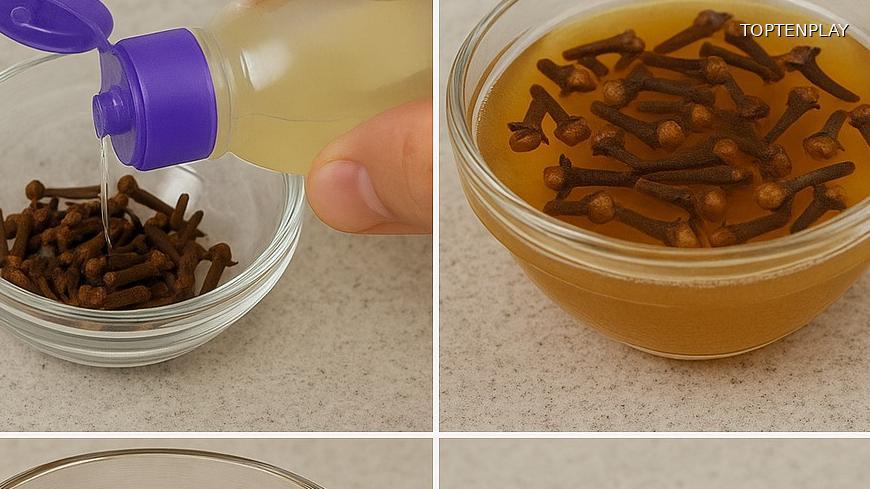
This logic of fatal attraction finds an even more minimalist application with the fruit trap, a device requiring strictly no purchase. An old piece of peeled fruit – overripe apple, blackened banana, forgotten peach – is enough to build a capture system of formidable effectiveness.
Place the fruit at the bottom of a bowl, then cover it hermetically with plastic wrap. The crucial step consists of piercing the surface with a toothpick, creating multiple small holes distributed uniformly. These miniature openings are the key to the mechanism: they allow entry but prohibit exit.
Fruit flies, guided by their ultra-sensitive sense of smell, instantly detect the scents of fermentation. They easily pass through the perforations to access this promising feast, but once inside, their instinct pushes them to seek an exit toward the light. They rush against the transparent plastic wrap, unable to find the tiny orifices through which they entered.
This one-way trap principle works twenty-four hours a day, gradually accumulating trapped specimens. The economy of this method rivals its effectiveness: it values food waste while sustainably solving the problem of invasions. However, the question of crawling insects and more massive infestations remains, requiring a global and definitive response.
Toward A Complete Natural Solution
These capture devices effectively solve fly invasions, but the war against domestic insects requires a more global approach. Mosquitoes, cockroaches, and other crawlers require a complementary response, capable of eradicating all pests without compromising the health of the occupants.
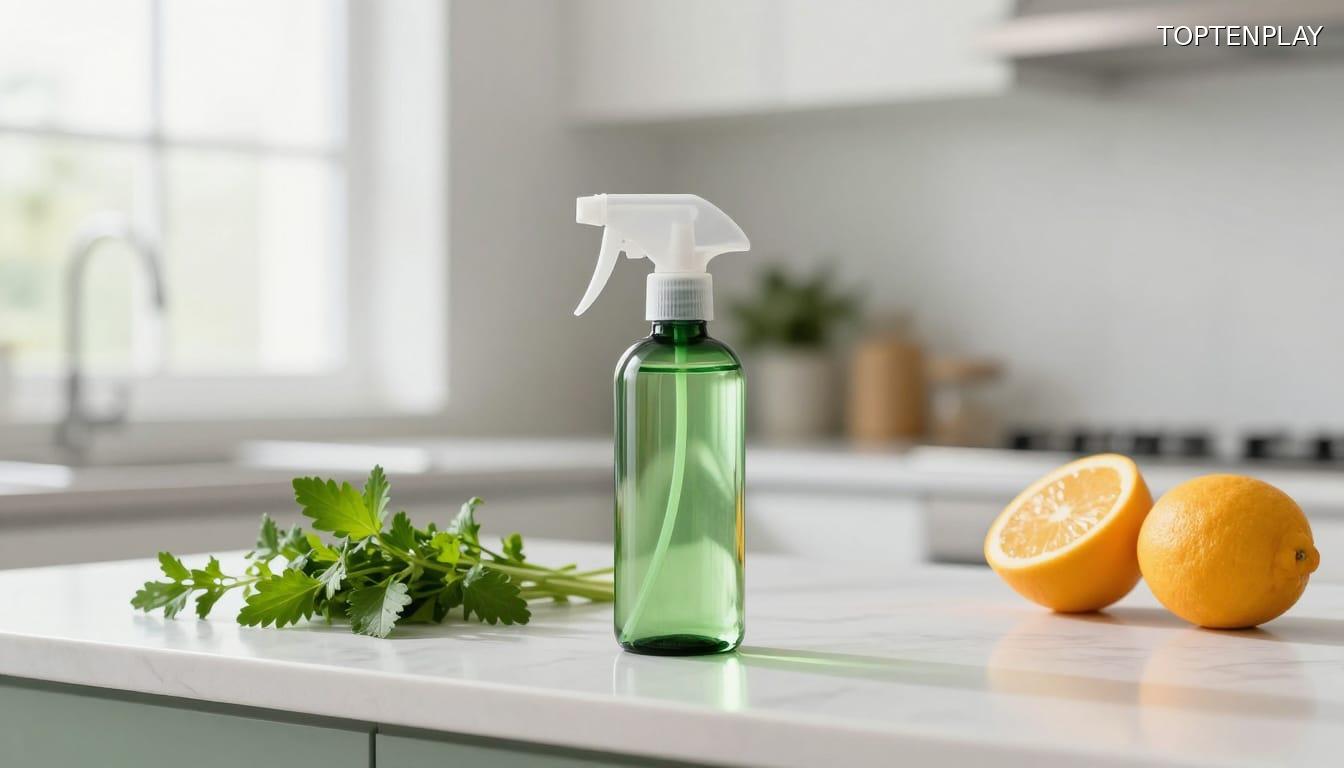
This is precisely the role of the 100% natural spray, a liquid solution to be sprayed directly on infested areas. Unlike commercial insecticides gorged with toxic substances, this artisanal preparation bans all chemical composition. The ingredients come exclusively from the kitchen cupboard, transforming everyday products into a formidable weapon against invasions.
The effectiveness of this spray relies on natural active principles that insects do not tolerate, causing their immediate flight or rapid elimination. Its regular application creates a durable protective barrier, definitively discouraging new intrusions. This method combines three decisive advantages: total absence of health risks, derisory cost, and lasting results.
User testimonials confirm this performance: after a few weeks of application, homes regain a forgotten tranquility. No more nocturnal buzzing, no more suspicious traces on work surfaces, no more morning bites. This reconquest of domestic territory is accomplished without compromising the indoor environment, unlike industrial fumigations whose residues persist for months.