Few household encounters trigger as much instinctive alarm as spotting a house centipede darting across the floor. Yet despite their unsettling appearance and startling speed, these creatures pose virtually no danger to humans. Understanding what they actually are — and what they do — may change how you react the next time one appears.
En bref
- —House centipedes are harmless to humans despite their alarming look
- —They actively hunt cockroaches, spiders, ants, and termites
- —Reducing humidity helps discourage them from settling indoors
A Creature Built for Fear — But Not for Harm
The moment a house centipede streaks across a floor, instinct kicks in before rational thought. Its speed, unusual shape, and abundance of legs create an immediate sense of threat — a reaction that is deeply human but largely unwarranted.
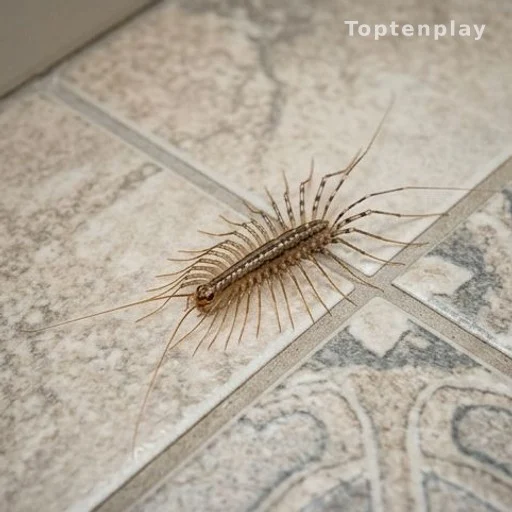
House centipedes do possess venom, but it is specifically adapted for subduing tiny prey such as insects. It is not a meaningful danger to humans. Bites are extremely rare, as the centipede’s first instinct is always to flee rather than confront.
On the rare occasions when a bite does occur, the result is typically mild — comparable to a minor sting — and fades quickly without medical concern. The creature’s fearsome appearance, in short, far outpaces the actual risk it presents.
Dark, Damp, and Out of Sight: Where They Live
House centipedes are not drawn to human food or contact. Their presence in a home is driven by two things: moisture and the smaller insects they hunt. Bathrooms, basements, and damp corners are their preferred environments.

Most of their lives are spent hidden. They are largely nocturnal, emerging when the household is quiet and activity has slowed. This means many people share a home with them for extended periods without ever knowing it.
Their preference for concealment is itself a clue to their nature. These are not aggressive intruders looking for confrontation — they are secretive hunters occupying the margins of a home.
What exactly is a house centipede?
The house centipede is a common arthropod found in homes across many parts of the world. Unlike outdoor centipedes, it has adapted to indoor environments, particularly in areas with humidity. It is distinguished by its notably long legs and exceptional speed, which together produce the startling movement that makes it so recognizable — and so alarming.
Silent Exterminators: Their Role in Pest Control
What makes house centipedes genuinely remarkable is their diet. They actively prey on some of the most unwanted household pests: cockroaches, spiders, ants, silverfish, and termites.
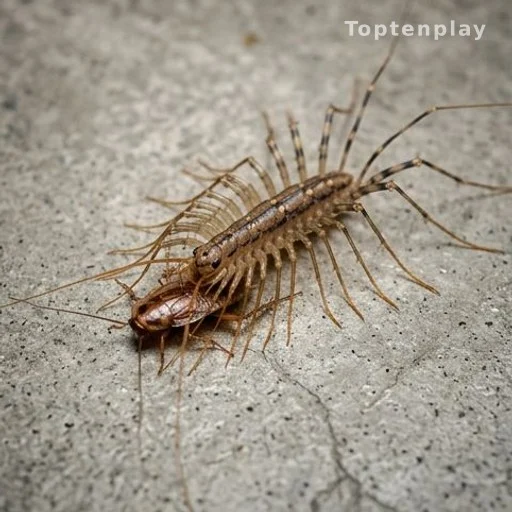
In many homes, they are quietly suppressing infestations that would otherwise grow undetected. The pests they eliminate are often far more damaging — both to property and to health — than the centipede itself.
This positions the house centipede as an accidental ally. While most homeowners focus on eliminating it on sight, it may in fact be performing a service that goes entirely unrecognized.
Coexisting With Them — Or Discouraging Their Presence
For those who find their appearance genuinely difficult to tolerate, there are measured options that do not require killing them. Trapping and releasing them outside is one approach that removes them from the home without harm.
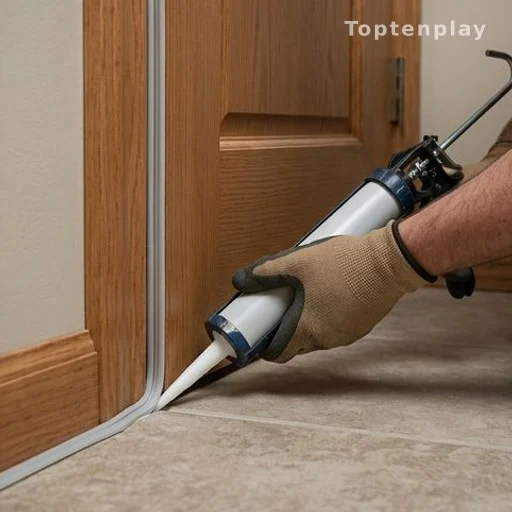
The more effective long-term strategy is to make the home less inviting in the first place. Reducing indoor humidity, fixing leaks, and sealing cracks along walls and floors removes the conditions that attract both centipedes and the insects they feed on.
Ultimately, the choice of how to respond is personal. But it is worth knowing that a house centipede spotted in a corner is almost certainly not there to cause harm — it is there because something else already is.
The house centipede is one of the more misunderstood creatures that shares our living spaces. Its alarming appearance masks a behavior that is almost entirely passive toward humans and actively beneficial in terms of pest control. Whether you choose to tolerate its presence or take steps to reduce humidity and seal entry points, the key takeaway is the same: this is not an aggressive threat. It is a hidden hunter, and more often than not, it is working in your favor.