📌 Homemade Pho in 1 hour: the chef’s technique for an authentic broth without spending the whole day
Posted 20 March 2026 by: Admin
Preparing the Aromatic Broth
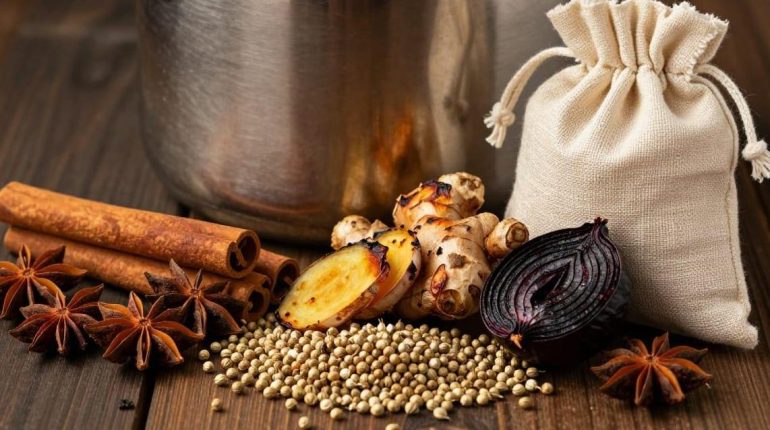
The depth of an authentic pho is determined in the first minutes, when the onion and ginger meet dry heat. This initial roasting releases caramelized aromatic compounds impossible to obtain otherwise. The charred aromatics develop a smoky complexity that structures the entire broth.
The assembly of Vietnamese spices requires surgical precision. Pepper, cinnamon, star anise, and coriander are briefly toasted in the still-hot pan, then enclosed in a muslin bag. This technique guarantees a clear broth: the spices release their essential oils without dispersing particles that would cloud the liquid.
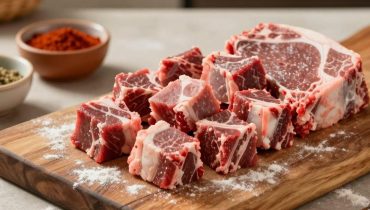
Cooking the beef short ribs for one hour in a pressure cooker, accompanied by the charred aromatics and the spice bag, transforms the water into a layered aromatic concentrate. Adding nuoc mam and coarse salt at the start of cooking tenderizes the muscle fibers while building the base salinity. Meticulous skimming removes impurities that rise to the surface, a sine qua non for a transparent broth with golden reflections.
This controlled infusion avoids the bitterness that prolonged direct contact with whole spices would cause. The result: a broth with complex but balanced flavors, where each aromatic remains identifiable without dominating the others.
Cooking and Meat Treatment
Meticulously washing the short ribs is a decisive step that quick recipes too often omit. Removing residual blood before cooking prevents the formation of grayish scum that would irremediably cloud the broth. This initial purification directly determines the crystalline clarity of the final result.
The pressure cooker then becomes the stage for a remarkable transformation. Under pressure, the tough fibers of the short ribs gradually dissolve during the regulated hour of cooking. The nuoc mam and coarse salt penetrate deep into the muscle tissues, tenderizing the meat while building the fundamental flavor layers of the broth.
Careful skimming during the first minutes of simmering captures the last impurities. Each pass of the skimmer guarantees a more transparent liquid, where golden reflections testify to the quality of the work accomplished. Once the valve is in action, the constant heat completes the conversion of collagen into smooth gelatin.
After cooking, the meat is removed and then cut into thin slices that reveal its melting texture. The filtered broth, kept warm, retains all its aromatic power. This separation allows for precise control over the final balance of the dish, where each component plays its distinct role without being diluted into a bland uniformity.
Preparing the Accompaniments
While the broth rests, the rice noodles require special attention to avoid the classic pitfall of overcooking. Pre-soaking in cold water gradually rehydrates the dried filaments, preparing their structure to withstand boiling cooking without disintegrating. This double step guarantees perfectly al dente noodles, neither soft nor brittle.
Raw rumsteak is the signature element that radically differentiates this dish from Western soups. Slicing it into ultra-thin strips is akin to an exercise in precision: each slice must be thin enough to cook instantly upon contact with the scalding broth, transforming its pink texture into seared tenderness. This thermal contrast between cold meat and steaming liquid creates a unique sensory experience.
Slicing the fresh aromatics follows a similar logic of finesse. The spring onion, coriander, and mint are finely chopped with delicacy to release their essential oils without bruising their tissues. A few chili slices provide the optional spicy note, allowing everyone to adjust the intensity according to their tolerance.
This preparatory phase, often neglected in the rush of service, nevertheless conditions the final balance of the pho. The varied textures – slippery noodles, melting meat, crunchy herbs – compose a gustatory architecture where each element retains its identity while contributing to the overall harmony.
Assembly and Service of the Pho
The arrangement of ingredients in the bowl follows a precise choreography that transcends simple presentation. At the bottom, the cooked short ribs and drained noodles form the structural base. On top, the raw rumsteak slices are fanned out, strategically positioned to receive the thermal shock of the broth poured at the end of preparation.
A spoonful of nuoc mam directly into each bowl individualizes the seasoning, allowing the salinity to be adjusted according to preference. This fermented sauce, whose umami notes amplify the depth of the broth, acts as a flavor revealer rather than a simple flavor enhancer.
The final garnish transforms the dish into an interactive experience. Sliced spring onion, fresh coriander, mint leaves, and chili slices are scattered on the surface like an aromatic palette at the diner’s disposal. The lime wedge, squeezed at the last moment, brings that vibrant acidity that balances the richness of the fatty broth.
Pouring the scalding broth constitutes the final act of this culinary staging. The transparent liquid envelops the ingredients, instantly searing the raw meat which turns pale pink, releasing the scents of fresh herbs in a cloud of perfumed steam. This thermal alchemy transforms a collection of disparate elements into a harmonious whole where each bite reveals a new combination of textures and flavors.