📌 Homemade dumplings in 30 minutes: the no-fold technique that cuts preparation time in half
Posted 20 March 2026 by: Admin
The Viral Recipe Revolutionizing Homemade Dumplings
A culinary technique is currently disrupting the traditional preparation codes for dumplings. Dubbed the “blanket” method, it completely eliminates the dreaded folding step by simply placing the dough over the filling like a blanket on a bed. This viral innovation promises homemade dumplings in less than 30 minutes, whereas classic methods require patience and dexterity.
Inspired by a video with millions of views, this approach has been tested and optimized to guarantee consistent results. The principle relies on a combined steam-fry cooking method that transforms the base into a golden and perfectly crispy surface, while preserving the tenderness of the filling. The dumpling dough, applied without complex manipulation, naturally adheres to the meat during cooking.
With a handful of accessible ingredients – ground pork, green onions, fresh ginger, soy sauce, and sesame oil – this recipe democratizes a dish known for being technical. The result rivals artisanal versions without requiring years of practice. The method also proves remarkably versatile: chicken or turkey easily replaces pork, while shredded cabbage or carrots enrich the filling with vegetables. This flexibility transforms dumplings into a quick weeknight solution, even preparable in advance for express cooking when needed.
The Perfect Filling: Ingredients And Tested Variations
The composition of this filling relies on a precise balance between 450 grams of ground meat and a selection of carefully measured Asian aromatics. Four finely sliced green onions, one and a half tablespoons of grated fresh ginger, the same amount of soy sauce, one tablespoon of toasted sesame oil, one minced garlic clove, one teaspoon of cornstarch, and half a teaspoon of black pepper: this formula produces exactly 24 generously filled dumplings.
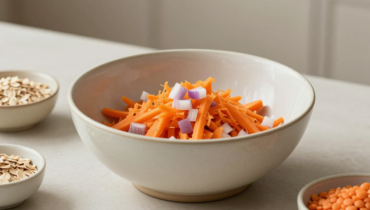
Ground pork is the traditional base, but tests confirm that chicken or turkey offer equally convincing results. This flexibility allows the recipe to be adapted to dietary preferences without compromising texture or flavor. For those wishing to lighten or enrich the preparation with vegetables, adding shredded cabbage or finely sliced carrots stretches the filling while providing crunch and freshness.
One of the major assets of this recipe lies in its advance preparation. Once mixed, the filling keeps perfectly in the refrigerator overnight. Simply portion it out, cover each mound with a dumpling wrapper, and start cooking for an express homemade meal. This organization makes dumplings a realistic solution for weeknights without sacrificing quality or authenticity. The aromatics even infuse more during the resting period, intensifying the flavors at the time of cooking.
The Optimized Technique After Testing
The viral method suggested placing the meat directly in the hot pan before placing the dough on top, but tests reveal a more effective approach. Assembling each dumpling on a plate before transferring it to the hot oil guarantees better adhesion of the dough to the filling, limits the risk of burning, and facilitates handling. This seemingly minor change radically alters the final result: the dumplings keep their shape, the dough perfectly hugs the mound of meat, and the whole assembly holds firmly during cooking.
Cooking is orchestrated in two distinct phases. Once the dumplings are arranged in the non-stick pan preheated with two tablespoons of vegetable oil, pour 2/3 cup of water around them. The lid immediately closes this steam theater where the filling cooks through for six to eight minutes, reaching the required 63°C for pork. This step guarantees uniform cooking without drying out the meat.
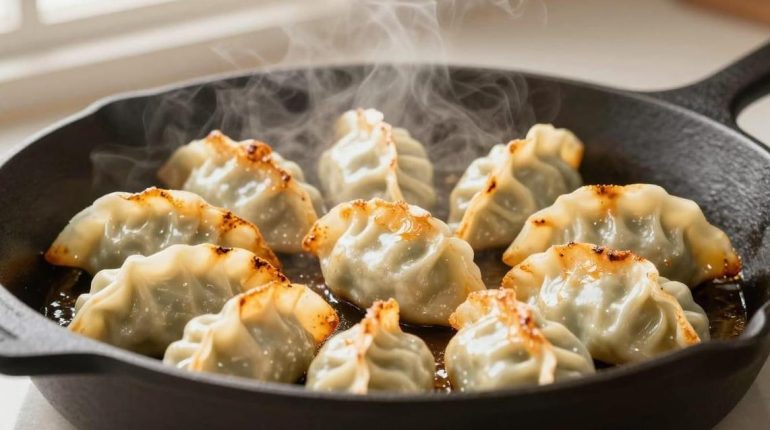
The second phase begins when the lid is removed. The residual water gradually evaporates while the bottoms of the dumplings transform into golden and perfectly crispy discs. This caramelized crust contrasts with the tenderness of the filling and the suppleness of the top dough, creating that signature texture that distinguishes a mediocre dumpling from a memorable one. To intensify this crispiness, extending the uncovered cooking for a few minutes after complete evaporation amplifies the caramelization without risking burning the base.
Storage, Serving, And Pro Tips
This recipe adapts remarkably well to daily constraints. Assembled dumplings freeze perfectly on a tray lined with parchment paper before being transferred to an airtight bag. No need to defrost: they cook directly from frozen by simply adding two to three minutes to the steaming time and an extra tablespoon of water. This method transforms the recipe into an express meal solution, allowing for a strategic stock for busy evenings.
Accompaniments determine the final taste direction. Chili oil brings that addictive heat that wakes up the sweetness of the pork, while a classic dumpling sauce (soy sauce, rice vinegar, sesame oil) offers the traditional sweet-savory balance. A crunchy Asian slaw or vinegar-seasoned cucumbers counter the richness of the filling with their acidic freshness, completing the meal without making it heavy.
To maximize crispiness, patience becomes your best asset after the water evaporates. Letting the bottoms brown for an additional two to three minutes intensifies the caramelization until you get that golden crust that cracks under the teeth. If your pan limits the quantity, cook in batches rather than overcrowding: crowding the dumplings prevents steam from circulating correctly and compromises the perfectly uniform crust that each piece deserves.
These practical adjustments guarantee consistent results, transforming a viral trend into a reliable technique that integrates permanently into the weekly culinary repertoire.