📌 Heart and Brain Health: Why Doctors Recommend a Handful of Walnuts Every Day

Posted 28 December 2025 by: Admin
The Little-Known Cardiovascular Virtues of Walnuts
Under their rough shell lies one of the richest plant sources of omega-3 fatty acids, particularly alpha-linolenic acid (ALA). This essential molecule plays a crucial role in regulating inflammation and optimizing blood circulation, two pillars of heart health.
Clinical studies are formal: a daily handful of walnuts is enough to significantly lower LDL cholesterol, the one described as “bad,” while improving the elasticity of blood vessels. This preventive action is not anecdotal. Researchers have established a direct link between regular walnut consumption and reduced risks of heart attack and stroke.
The secret lies in the synergy between polyunsaturated fats, fiber, and bioactive plant compounds. Together, these elements form a natural protective barrier for the cardiovascular system, far from the negative image often associated with fats. Unlike saturated fats of animal origin, those in walnuts nourish the arteries instead of clogging them.
This daily cardiovascular protection requires only a simple gesture: integrating 30 grams of walnuts into your diet. A minimal investment for benefits documented by medical science, which redefines our relationship with plant lipids and their misunderstood therapeutic role.
An Antioxidant Arsenal Against Cellular Aging
Beyond their cardiovascular benefits, walnuts are distinguished by an exceptional concentration of powerful antioxidants. Vitamin E, melatonin, and polyphenols are found in remarkable quantities, forming a biological defense against oxidative stress that accelerates the aging of our cells.
This oxidative stress results from an imbalance between free radicals and the body’s defense capabilities. These unstable molecules attack cell membranes, DNA, and proteins, paving the way for chronic diseases. Cancer, diabetes, persistent inflammation: all pathologies whose mechanisms are intimately linked to these molecular degradations.
The antioxidant compounds in walnuts intervene precisely at this level. They neutralize free radicals before they damage cellular structures, acting as an invisible shield renewed with each consumption. This daily protection does not just slow down visible aging; it preserves the functional integrity of organs and tissues.
Research places walnuts among the plant foods richest in antioxidants, ahead of many fruits and vegetables otherwise renowned for these properties. A handful is enough to activate these natural defense mechanisms, transforming a simple dietary gesture into a documented preventive strategy against cellular degeneration and its long-term consequences.
Cognitive Performance: When Nature Mimics Form
This striking resemblance between the walnut and the human brain is no genetic accident. It illustrates a disturbing correlation between form and function: the nutrients concentrated in these lignified shells precisely target essential brain mechanisms.
Polyunsaturated fats, combined with polyphenols and vitamin E, act synergistically on memory and cognitive abilities. Several studies document their impact on synaptic transmission and neuronal plasticity, fundamental processes of learning and information conservation. In seniors, this action translates into a measurable slowing of age-related cognitive decline.
But these benefits do not only concern aging populations. Students during exam periods, professionals facing intense mental loads, or simply people seeking to maintain their intellectual acuity: all can benefit from this natural optimization. Mental clarity improves, concentration lasts longer, and overall cognitive performance becomes more efficient.
The underlying biological mechanisms involve better cerebral irrigation, a reduction in neuronal inflammation, and increased protection of cell membranes. These cumulative effects transform regular walnut consumption into a concrete nutritional strategy to preserve and stimulate mental functions at any age.
Practical Integration and Nutritional Recommendations
Beyond their scientifically established properties, walnuts are distinguished by their remarkable accessibility. Unlike some exotic superfoods, they require no complex preparation or prohibitive financial investment.
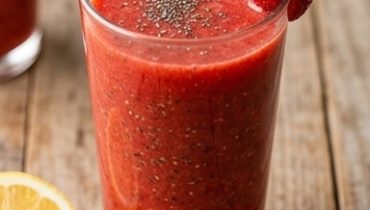
Their culinary versatility eliminates any obstacle to daily adoption. A handful sprinkled on a quinoa salad adds crunch and nutritional density. Mixed into a morning smoothie, they enrich the texture while releasing their essential fatty acids. Eaten plain as a snack, they effectively curb hunger between meals thanks to their unique combination of quality proteins, fiber, and lipids.
Nutritionists generally recommend 30 grams per day — about seven whole kernels. This modest amount is enough to activate all the cardiovascular, antioxidant, and cognitive benefits documented by studies. The cumulative effect manifests gradually: inflammatory markers decrease, the composition of the gut microbiota improves, and glycemic regulation is optimized.
This simplicity of integration transforms the walnut into a democratic health ally. No restrictive diet, no time constraints, no special culinary skills: just a minimal daily gesture for a maximal impact on general well-being. Doctors insist on this too often neglected nutritional evidence, capable of durably changing health trajectories with ordinary regularity.