Friday passed with no repayment. The following week, the request was $40. Then it happened again. The amounts stayed small, but the pattern was unmistakable. Each time, there was a reason — bills, a work problem, an emergency. She began to suspect she was being taken advantage of.
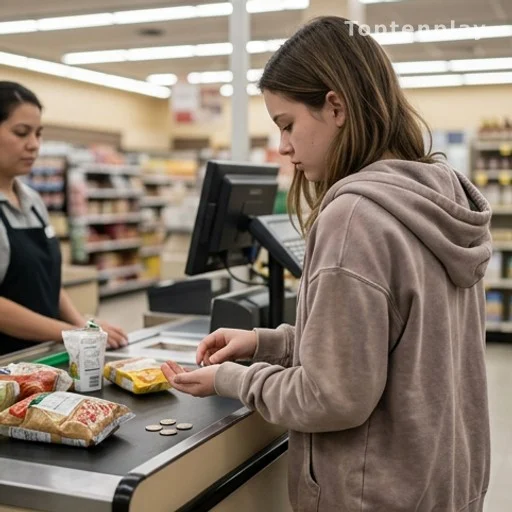
The moment that changed everything came at a grocery store nearby. His daughter — around fourteen years old — was at the checkout, visibly exhausted, trying to pay with loose coins. When she came up short, she quietly put items back one by one until she could only afford pasta. "Watching her made my chest hurt," the narrator later recalled.
An empty apartment: blankets on the floor, no furniture, two daughters
Acting on instinct, the narrator followed the girl home. She walked into their shared apartment building and opened the door to her family’s unit. What was inside stopped the narrator cold: almost no furniture at all — just blankets laid out on the floor. A younger sister sat nearby, coloring.

When the father saw her in the doorway, he panicked. But instead of confronting him, she listened. He explained that he had escaped an abusive situation with his two daughters. They had left with nothing. He held a job, but his wages barely covered rent, leaving almost nothing for food or basic household items.
"He was ashamed to ask for help, so he borrowed money just to survive," she recounted. The small loans were never a scam — they were the only tool he had. That night, she went home and cried.
Escaping abuse with nothing
Survivors of domestic abuse who leave with children frequently do so with little more than the clothes they are wearing, making access to stable housing and basic goods an immediate and urgent need. In many cases, shame and fear of judgment prevent them from seeking formal assistance, leaving informal community support as their only lifeline. Shelters and housing assistance programs exist specifically to bridge this gap, though demand consistently outpaces available resources.
Groceries, donated furniture, and a borrowed truck that changed everything
The next day, she knocked on his door again — not with cash, but with groceries. She told him clearly: she would not be lending money anymore, but she wanted to help, with no expectation of repayment. He tried to refuse. She insisted.
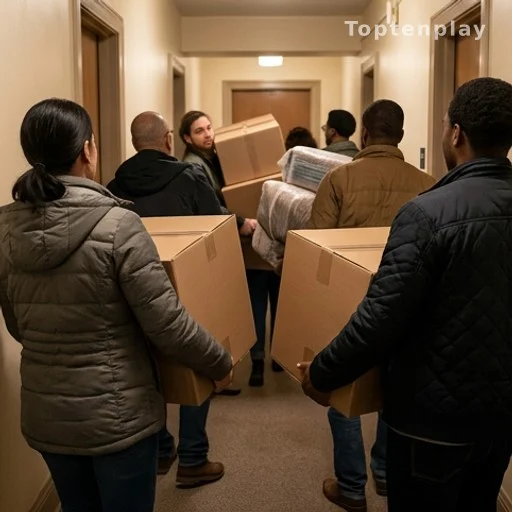
She then reached out to friends and described what she had seen. Within a week, donations poured in: furniture, dishes, beds. Everything was loaded into a borrowed truck and carried into the apartment.
Suggested Posts

Two Identical Officers, One Hidden Difference: Can You Find It?
At first glance, the two police officers in this image look completely identical — same deep blue uniforms, same black sunglasses, same utility belts,…