The Universal Problem Of Hard-To-Peel Eggs
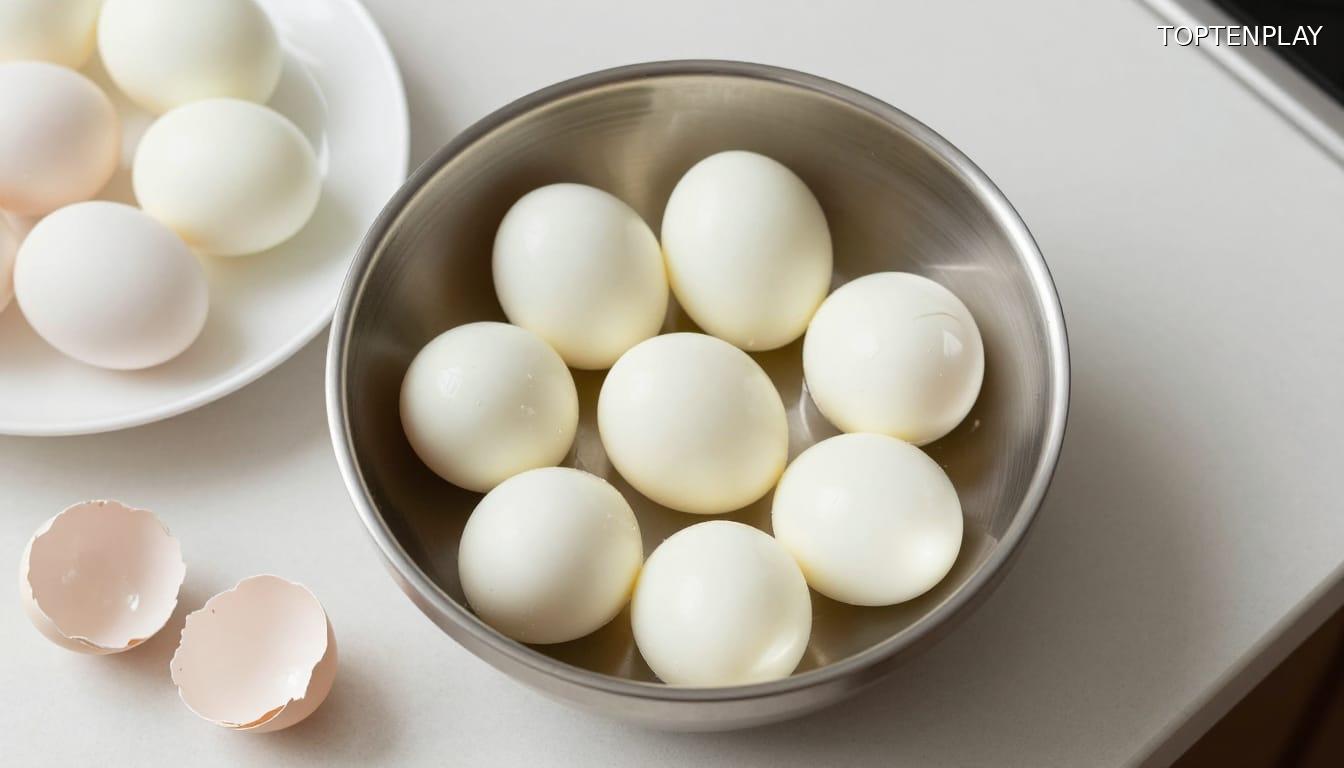
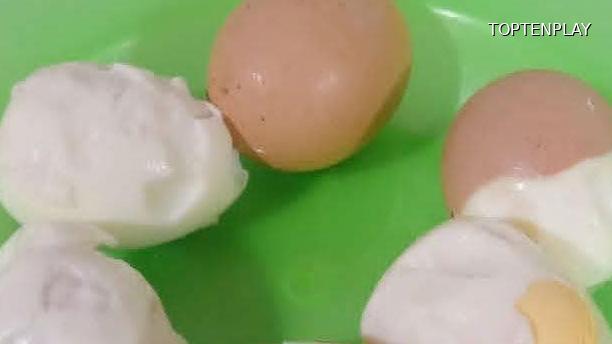
The scene is familiar: you have just boiled a dozen eggs, already anticipating their creamy texture. But when it comes time to peel, it’s a disaster. The shell refuses to come off, tearing away chunks of white in the process. The result? Torn eggs, riddled with craters, visually disastrous for your mixed salad or your deviled eggs.
This frustration affects millions of cooks daily, from amateurs to experts. Whites that stubbornly adhere to the membrane create an experience that is as annoying as it is unpredictable. Some eggs peel perfectly, others resist fiercely, with no apparent logic.
Yet, professionals consistently achieve impeccable results. Their secret? A combination of simple techniques, accessible to all, that transform this chore into a mechanical gesture. These proven methods are based on precise scientific principles, capable of guaranteeing perfectly smooth eggs every time.
The solution requires no sophisticated equipment, just a few strategic adjustments to your usual process. Tips that professional cooks apply mechanically, and which radically change the outcome of peeling.
The Science Behind Egg Freshness
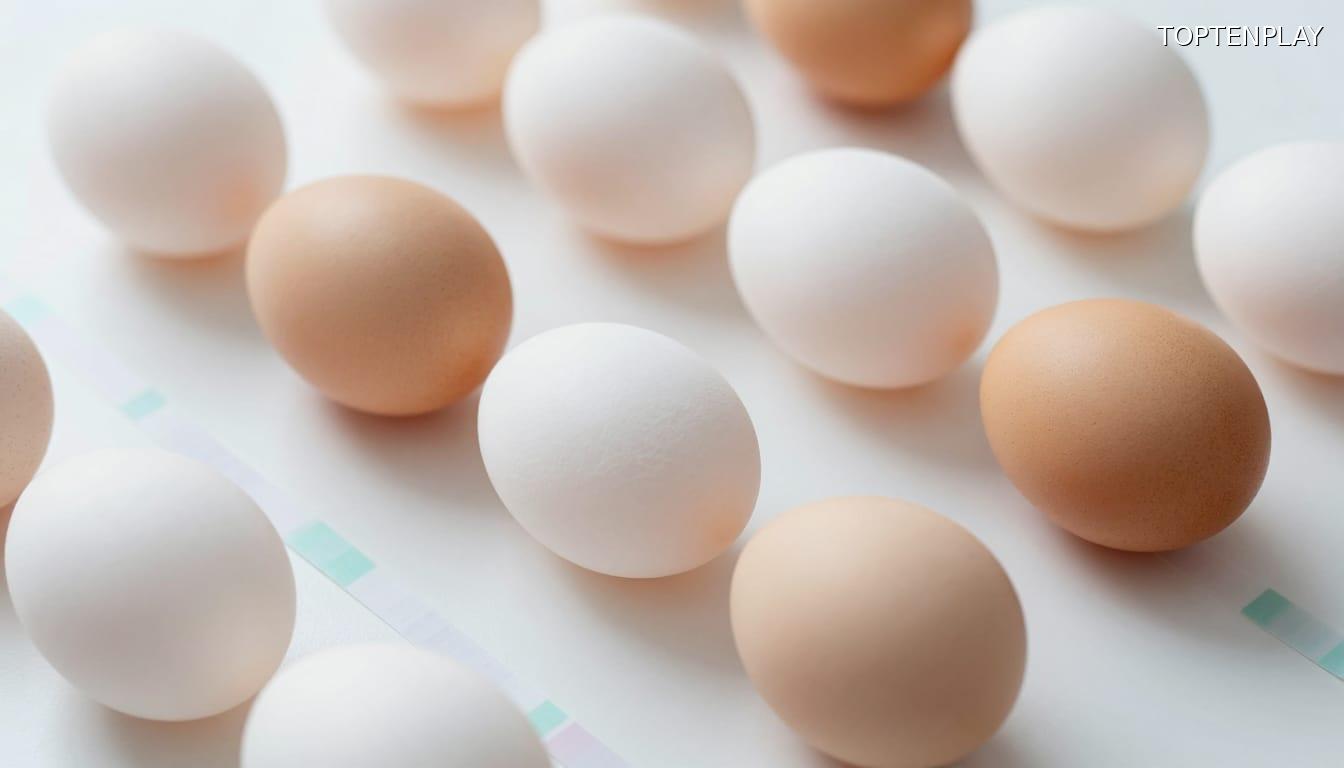
Contrary to all intuition, extra-fresh eggs are your worst enemies for successful cooking. This revelation always surprises: an egg laid that very morning will fiercely resist peeling, while a week-old egg will strip effortlessly.
The explanation lies in chemistry. Over the days, the egg white’s pH gradually increases, rising from about 7.6 to 9.2. This increasing alkalization modifies the adhesive properties of the membrane located between the shell and the white. The higher the pH rises, the less this thin film clings to the proteins in the white.
Freshly laid eggs maintain a slightly acidic white that stubbornly sticks to the internal membrane. This chemical adhesion explains why peeling systematically tears away shreds of white, creating those frustrating cratered surfaces. Conversely, after seven days of refrigerated storage, the protein structure changes enough to allow for a clean and fluid separation.
Professional cooks know this: they reserve their oldest eggs specifically for hard boiling. This strategic stock management guarantees them consistent results, without depending on chance. Simply marking the purchase date on the box is enough to transform your culinary daily life.
But natural aging is not the only weapon at your disposal.
The Professionals’ Chemical Tip
Savvy cooks don’t just wait. They accelerate the chemical process by directly manipulating the pH of the cooking water. Their secret lies in two common ingredients that radically transform your results.
A teaspoon of baking soda added to boiling water instantly changes the alkaline environment. This basic compound artificially raises the pH of the egg white during cooking, reproducing the effect of several days of aging in a few minutes. The membrane then detaches with disconcerting ease.
White vinegar offers an equally effective alternative, although counter-intuitive since it is an acid. A simple splash is enough: the acidity penetrates the micro-pores of the shell during boiling and destabilizes the protein bonds of the membrane. The result remains the same – a shell that literally slides off the cooked white.
Both methods work regardless of the age of the eggs. Even freshly bought eggs react favorably to chemical treatment. Professionals generally choose baking soda for its maximum power, reserving vinegar for situations where they are simultaneously cooking foods sensitive to strong bases.
Now remains to master the final sequence that definitively seals your success.
The Complete Method For Cooking And Cooling
This final sequence determines how easily your eggs will reveal their immaculate flesh. Thermal shock is the ultimate weapon of professional cooks, the one that transforms a correct preparation into an impeccable result.
Plunge your eggs into boiling water with added baking soda or vinegar. Maintain a rolling boil for exactly 10 to 12 minutes depending on the size of the eggs. This precise timing guarantees complete cooking of the yolk without an undesirable greenish area around the center.
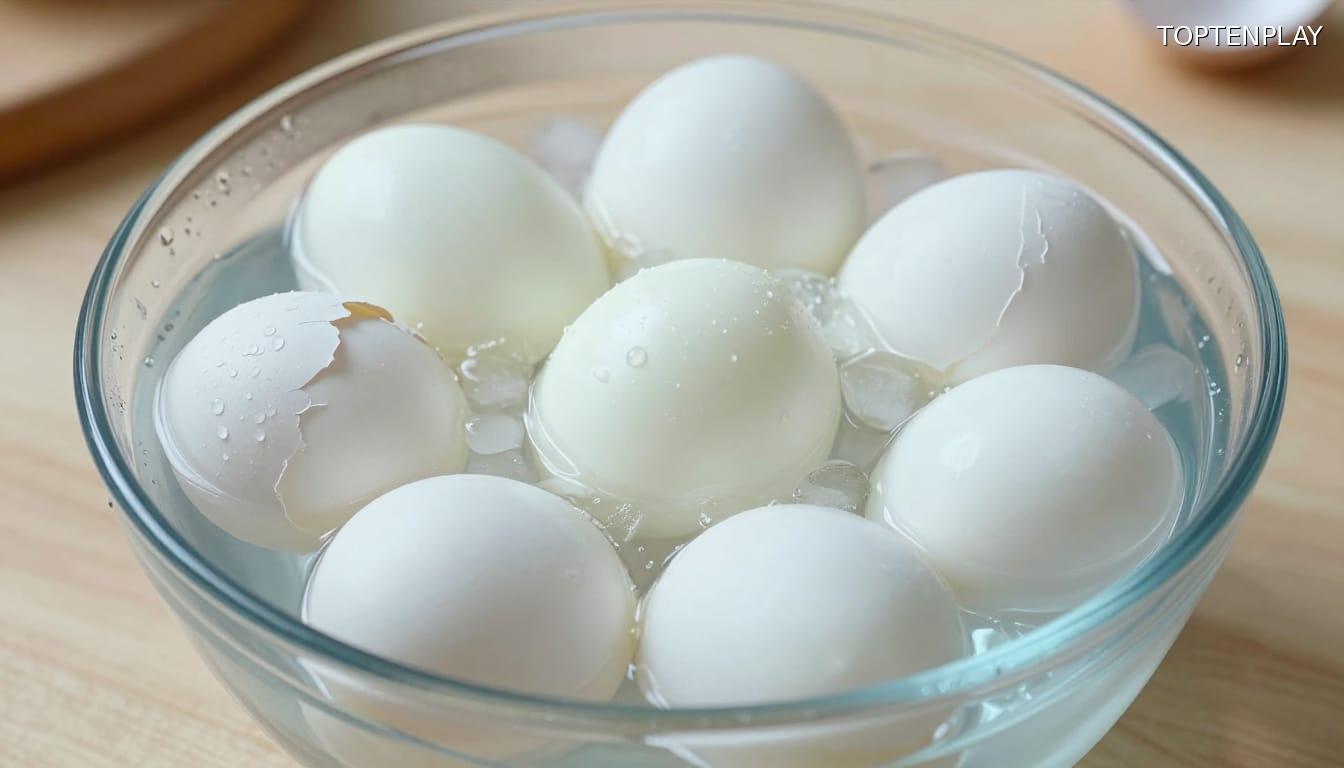
The critical moment occurs immediately after. Drain the boiling eggs and transfer them without delay to a pre-prepared ice water bath. This brutal cooling instantly contracts the cooked white while the shell momentarily retains its high temperature. The difference in thermal expansion creates a microscopic space between the membrane and the albumen – exactly what you need.
Let rest for five minutes in the ice bath. The cooled eggs now crack with simple pressure, the shell detaching in large, regular fragments. Gently roll each egg on the work surface to uniformly fracture the surface, then peel starting from the wider end where the natural air pocket is located.
This scientific combination guarantees perfectly smooth eggs with every attempt, without exception.