📌 Guava leaves, Aidan fruit, and okra: what these ancestral traditions truly bring to female balance
Posted 23 December 2025 by: Admin
The Three Traditional Ingredients Serving Female Balance
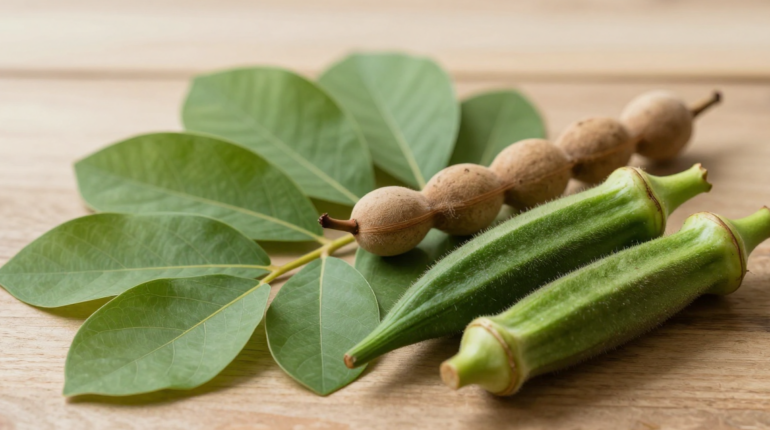
Across generations, women in Africa, Asia, and the Caribbean have woven ancestral knowledge around three plant ingredients: guava leaves (Psidium guajava), Aidan fruit (Tetrapleura tetraptera), and okra. These plants hold a unique place in reproductive well-being practices, not as medical treatments, but as natural support tools integrated into a holistic lifestyle.
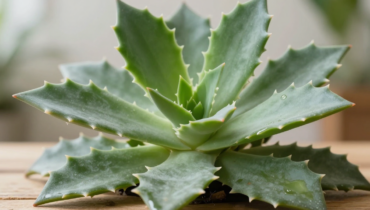
Guava leaves are recognized for their richness in plant compounds promoting immune balance, digestive comfort, and metabolic well-being. In female traditions, they accompany routines focused on uterine comfort and menstrual cycle awareness. Aidan fruit, called prekese in some regions, is traditionally used in herbal purification rituals and post-cycle support practices. As for okra, this nutritious vegetable contains fibers, minerals, and plant polysaccharides that make it a gentle ally for hydration and digestive support.
These ingredients share an essential characteristic: they are thought of as complementary elements of a global balance, never as isolated solutions. Their use stems from a cultural approach passed down from mother to daughter, respectful of the female body’s natural cycles. However, this promotion of ancestral knowledge requires clear health responsibility: no consultation of these practices replaces the advice of a qualified health professional regarding fertility or reproductive health.
Guava Leaves and Aidan Fruit: Traditional Infusion Preparation
This ancestral herbal tea is based on a precise protocol, transmitted orally in many communities. Preparation begins by collecting a small handful of fresh guava leaves, carefully washed to remove any impurities. These leaves are then placed in a pot of clear water, accompanied by a small piece of previously cleaned Aidan fruit. The mixture is brought to a boil until the liquid takes on a dark hue, characteristic of concentrated herbal infusions.
The traditional consumption method follows a rigorous rhythm. A small cup of this preparation is gently warmed and drunk twice a day, morning and evening. Cultural timing is of paramount importance: use begins on the first day of the menstrual cycle and imperatively stops at the end of the period. This synchronization with the natural cycle demonstrates an intuitive understanding of female fertility phases.
Traditional practitioners insist on an essential limit: this herbal tea should never be consumed for a prolonged period without qualified guidance. Its association with uterine comfort and cycle awareness relies on occasional use, respectful of the body’s signals. Exceeding this time window contradicts the ancestral wisdom itself, which advocates listening and moderation rather than excess.
Okra Water: A Gentle Alternative and Three-Day Protocol
This practice, even more accessible than the previous infusion, appeals through its simplicity and gentleness. Preparation requires only 5 to 6 fresh okra pods, thinly sliced and submerged in a glass of drinking water. The container is covered and left at room temperature overnight, allowing the fibers, minerals, and plant polysaccharides to diffuse slowly into the liquid.
Upon waking, the infused water is consumed on an empty stomach, offering naturally enriched hydration. Unlike the guava and Aidan infusion, this preparation is distinguished by its extremely restricted use window: three days maximum after the end of menstruation, then a complete stop. This strict limitation reflects the caution of traditional knowledge, which views okra as occasional support for the natural cycle, and not as a daily supplement.
Communities that perpetuate this practice value the nutritional richness of okra, recognized far beyond the reproductive context. Its natural mucilage provides appreciated digestive comfort, while its gentleness allows for harmonious integration into morning routines. This minimalist approach serves as a reminder that the perceived effectiveness of traditions often rests on moderate regularity rather than intensity, inviting one to consider these actions as rituals of body awareness above all.
Holistic Vision and Essential Precautions for Responsible Use
As appealing as these ancestral practices may be, they require a lucid understanding of their limits. First vital reminder: they do not in any way constitute contraceptive methods. If a pregnancy is not desired, traditional wisdom itself recommends avoiding any routine aimed at stimulating reproductive balance. This fundamental distinction protects against misunderstandings with serious consequences.
Women facing irregular cycles, pre-existing health conditions, or engaged in a conception project must imperatively seek professional medical guidance before any experimentation. Plants, even gentle ones, interact with individual physiology in complex ways. What soothes one may disrupt another. Medical consultation does not invalidate tradition; it makes it safe.
More broadly, cultures that value these ingredients have never isolated fertility from a global life context. Reproductive balance rests on a constellation of interdependent factors: balanced nutrition, sufficient rest, stress reduction, emotional well-being, and community harmony. Guava leaves, Aidan fruit, and okra are part of this systemic vision as support elements, never as standalone solutions.
True reproductive health is not decreed by a recipe, however ancestral it may be. It is cultivated with patience, balance, and enlightened care, where traditional gestures dialogue with modern medicine to offer the best of both worlds.