📌 Guava leaf tea: how this infusion naturally regulates blood sugar and protects the heart
Posted 14 March 2026 by: Admin
The Therapeutic Virtues Of Guava Leaf: A Plant With Multiple Active Compounds
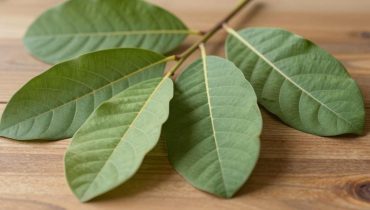
Behind the apparent simplicity of guava leaves lies a remarkable molecular architecture. Phytochemical analyses reveal a high concentration of flavonoids, notably quercetin, recognized for its immunomodulatory and metabolic properties. These active molecules are accompanied by tannins and polyphenols that give the leaves their antioxidant and antimicrobial capabilities documented by contemporary research.
This biochemical richness explains why traditional medicines in tropical regions have used this plant for centuries to treat infections and digestive imbalances. Modern science now validates this empirical heritage: studies demonstrate that these bioactive compounds exert measurable anti-inflammatory effects and protect cells against oxidative stress.
The significant presence of vitamin C further strengthens the nutritional profile of these leaves. Unlike remedies devoid of scientific foundation, guava leaf infusion benefits from growing legitimacy in medical literature. The flavonoids and polyphenols it contains do not just act in isolation: their synergy creates a therapeutic potential that researchers continue to explore.
This convergence between ancestral knowledge and scientific validation positions the guava leaf as an eloquent example of rational phytotherapy, where each claimed benefit finds its explanation in the plant’s molecular composition.
Glycemic Regulation And Metabolic Health: Major Scientific Discoveries
Among the documented therapeutic applications, blood sugar regulation is the area where scientific evidence is strongest. Clinical trials demonstrate that the active compounds in guava leaves interfere with the intestinal absorption of carbohydrates, thereby reducing the postprandial glycemic peaks that characterize metabolic imbalances.
The mechanism of action is based on the inhibition of specific digestive enzymes. By slowing down the breakdown of complex sugars, the infusion prolongs their assimilation and limits sudden variations in blood glucose. This enzymatic modulation is accompanied by a second physiological effect: the improvement of cellular sensitivity to insulin, the central hormone of carbohydrate metabolism.
Research published in diabetology journals has measured these effects in volunteers regularly consuming the tea. The results reveal a significant stabilization of glucose levels fasting and after meals, particularly in individuals with insulin resistance. This metabolic action explains why nutritionists and endocrinologists now recommend this drink as a natural adjuvant in glycemic monitoring.
The approach remains complementary to conventional medical treatments, never a substitute. But for people seeking to optimize their metabolic balance by natural means, these discoveries open tangible perspectives, backed by precise physiological data rather than simple empirical observations.
Cardiovascular, Digestive And Antibacterial Benefits: A Wide Spectrum Of Action
Beyond metabolic regulation, guava leaves deploy a therapeutic action that affects several major physiological systems. Cardiovascular studies notably reveal a capacity to modulate the blood lipid profile: the polyphenols contained in the infusion reduce concentrations of oxidized LDL cholesterol, a particularly atherogenic form, while promoting an increase in protective HDL cholesterol.
This action on lipids is accompanied by measurable hypotensive effects. Flavonoids act on the relaxation of vascular walls, thus decreasing blood pressure in subjects with moderate hypertension. These combined mechanisms participate in the prevention of chronic cardiovascular pathologies.
On the digestive level, the tea demonstrates recognized effectiveness against acute intestinal disorders. Its antimicrobial properties target certain pathogenic bacteria responsible for diarrhea and gastric irritation, while tannins exert an astringent effect that soothes inflamed mucous membranes. This action explains the traditional use of the decoction in the treatment of gastrointestinal disorders.
The richness in antioxidants also provides cellular protection against oxidative stress, a process involved in premature aging and the development of chronic diseases. Finally, some research suggests a potential role in weight management, by limiting the carbohydrate absorption already mentioned. This versatile therapeutic profile justifies the growing interest in this medicinal plant with multiple applications.
Homemade Preparation And Precautions For Use: Instructions For Optimal Consumption
The accessibility of this natural remedy is one of its major assets. Preparing a therapeutic infusion requires only 5 to 10 fresh leaves (or 1 to 2 teaspoons of dried leaves) for 2 cups of water. After thoroughly washing the leaves, bring the water to a boil before immersing the plants. An infusion of 5 to 15 minutes allows for optimal extraction of bioactive compounds. Filtering precedes consumption, which you can enhance with honey or lemon according to your taste preferences.
The recommended dosage is 1 or 2 cups daily. Beyond that, some people may develop mild digestive discomfort. This moderation ensures beneficial use without adverse effects.
Several situations, however, require particular vigilance. Pregnant or breastfeeding women should consult a healthcare professional before any regular consumption. People under antidiabetic or antihypertensive treatment risk a potentiation of drug effects, with a risk of hypoglycemia or hypotension. Medical advice is necessary in these cases. Individuals with allergies to plants in the Myrtaceae family should also exercise caution.
Like any phytotherapeutic remedy, guava leaf tea is never a substitute for prescribed medical treatment. Its responsible use, within the framework of a balanced diet and a healthy lifestyle, nevertheless allows one to fully benefit from the millennial virtues of a plant today validated by modern science.