📌 Ground beef and cheese tart: why this family recipe stands out as a quick complete meal to prepare
Posted 27 March 2026 by: Admin
The Origins and Universality of the Savory Tart
Small savory tarts have their roots in ancient European culinary tradition, where the ingenuity of cooks transformed simple ingredients into convivial and durable dishes. Since the Middle Ages, filled pastries and pies were already choice dishes, evolving over the centuries according to local resources and regional preferences.
The classic French version based on eggs and cheese has gradually been enriched to meet contemporary expectations. The addition of ground beef represents a modern adaptation that transforms this dish into a complete meal, combining proteins, carbohydrates, and comforting flavors. This evolution testifies to the ability of family cooking to adapt without denying its fundamentals.
What particularly distinguishes this tart is its exceptional versatility. It can be eaten hot or warm, is easily cut into individual portions, and withstands transport without alteration. These qualities make it a precious ally for lunches on the go, summer picnics, or dinners with friends.
In rural French regions, where meat, cheese, and vegetables were abundant, the savory tart embodied the generosity and simplicity of the land. It reflected that culinary philosophy that prioritizes authentic products, assembled with care to create a taste harmony accessible to all. Today, it still perpetuates this heritage of family conviviality, capable of gathering generations around a single dish.
The Perfect Composition: Ingredients and Their Alternatives
This culinary success relies on a selection of balanced ingredients, capable of adapting to individual preferences while preserving the dish’s identity. For 4 to 6 people, the base starts with a classic shortcrust pastry ready to use, replaceable by a homemade butter version for more character, or a light version for those watching their calorie intake.
The heart of the filling requires 400g of ground beef. While beef is the traditional choice, mixing it with pork adds more moisture, while ground chicken offers a lighter alternative without sacrificing consistency. Seasoning remains essential: salt, pepper, herbs de Provence, paprika, or curry radically transform the aromatic profile.
The egg mixture constitutes the indispensable binder: 3 eggs beaten with 150g of grated cheese create that characteristic creamy texture. Emmental, Comté, or cheddar are perfectly suitable, and their combination intensifies the depth of flavor. The optional addition of milk or cream reinforces the creaminess of the whole.
The 2 sliced tomatoes bring freshness and light acidity, balancing the richness of the meat and cheese. To further enrich it, sliced onions, peppers, or mushrooms integrate harmoniously without distorting the original recipe.
This composition delivers about 350 to 400 kcal per portion, with 20g of protein, 22g of lipids, and 25g of carbohydrates. Proportions that make this tart a balanced and complete meal, ready to nourish without being heavy.
Step-by-Step Technical Execution
Mastering this recipe relies on a precise sequence of operations that guarantee optimal texture and flavors. Preheat the oven to 180°C, then unroll the dough into a 24 to 26 cm mold. Prick the bottom lightly with a fork to prevent it from puffing up. An optional pre-baking of 5 to 7 minutes ensures a crispy base, even with a moist filling.
Meanwhile, brown the 400g of ground beef in a pan with a little oil or butter. Stir in a minced garlic clove and a sliced onion to intensify the fragrance. Season generously with salt, pepper, and your choice of thyme, paprika, or curry. Continue cooking for 5 to 7 minutes until the meat is browned and almost dry. Let this preparation cool slightly before assembly.
In a bowl, beat the 3 eggs with salt and pepper, then add half of the grated cheese. This egg mixture binds the ingredients and guarantees a melting texture. For more creaminess, stir in a little milk or cream.
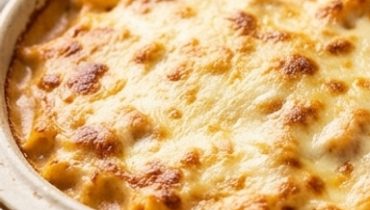
Arrange the meat on the pastry base, cover with slightly overlapping tomato slices. Pour the egg mixture evenly, then sprinkle the rest of the cheese to obtain a gratin crust. Bake for 35 to 40 minutes: the top should be golden, the inside set but creamy.
Let it rest for 5 minutes before cutting. This time allows the flavors to stabilize and facilitates serving in clean slices, ready to reveal their generosity.
Customization and Serving of the Dish
This tart lends itself to countless adaptations according to your desires and occasions. The Mediterranean version includes grilled peppers, black olives, and herbs de Provence for a sunny touch. Spice lovers will opt for smoked paprika, mild chili, or curry mixed with the meat. For a vegetarian alternative, replace the meat with a mixture of sautéed zucchini, mushrooms, and spinach. The light version substitutes part of the cheese with plain yogurt or fresh cheese.
Serving gains elegance with a lightly seasoned green salad or fresh arugula. Seasonal raw vegetables bring crunch, while gherkins or pickles create a welcome tangy contrast. For drinks, prefer a light red wine or a dry white according to your preferences.
Storage is simple: wrapped in the refrigerator, the tart keeps for 2 to 3 days. To regain the crispness, reheat for 10 minutes in the oven at 160°C rather than in the microwave. Freezing in individual portions facilitates express meals. Before serving, add fresh parsley or chopped chives for a neat presentation.
The major asset of this recipe lies in its total versatility: it requires no complex technique, pleases the whole family, can be eaten hot or warm, and adapts to available ingredients. A staple that crosses generations without aging.