📌 Grey mops and stained fabrics: 3 homemade baking soda recipes to whiten them effectively
Posted 3 February 2026 by: Admin
The Causes Of Fouling In Mops And White Textiles
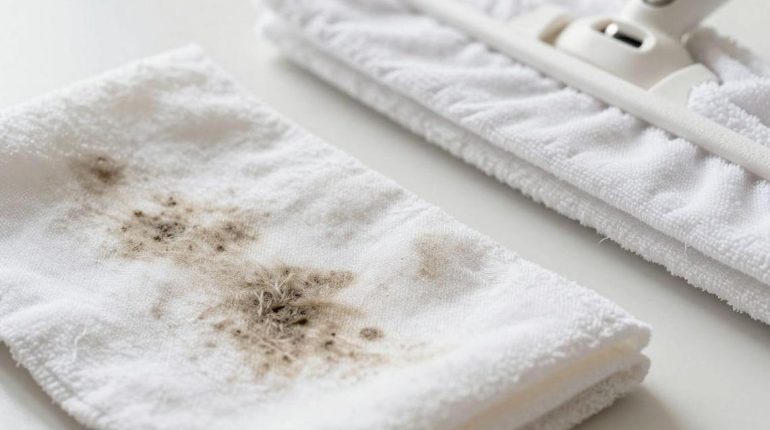
Mops, cleaning cloths, and white towels undergo an inevitable gradual transformation. Over time, their brilliant whiteness gives way to stubborn brownish or greyish tints. This degradation results from the accumulation of embedded dirt, greasy residues, and detergent deposits that penetrate deep into the fibers.
Faced with this phenomenon, the usual reflex is to throw away these aged textiles to replace them. However, this solution represents a significant financial cost and an avoidable environmental impact. Quality mops and cloths can be effectively restored using simple homemade methods.
Three powerful solutions can bring the dirtiest cleaning textiles back to life. These techniques rely on common ingredients available in any kitchen and offer an economical alternative to systematic replacement. The principle remains the same: a targeted soaking that dissolves residues, deep-cleans the fibers, and restores the original whiteness.
This approach has a double advantage. It considerably extends the life of the textiles while reducing household maintenance expenses. The results obtained rival the purchase of new items, for a fraction of the price.
Baking Soda Method: The Universal Solution
Baking soda is the primary weapon against mop fouling. This method is based on a simple principle: prolonged soaking in a concentrated solution that acts deep within the textile fibers.
Preparation requires half a cup of baking soda diluted in a bucket of hot water large enough to completely submerge the mop. Once the mixture is homogeneous, the textile must soak for 30 to 60 minutes depending on the level of dirt. A thorough rinsing with clean water precedes air drying.
The effectiveness of this technique is explained by the chemical properties of baking soda. This alkaline compound breaks down grease molecules adhering to the fibers, neutralizes stubborn odors generated by moisture and bacteria, and loosens embedded dirt through gentle mechanical action. Unlike harsh bleaching agents, it preserves the structural integrity of the textiles.
This solution is particularly suitable for the deep cleaning of mops used daily. It simultaneously treats the three major issues: grease accumulation, development of foul odors, and progressive browning of white fibers. Its complete action avoids the multiplication of specific treatments.
For cases of extreme fouling, some delicate textiles require an even more respectful approach. The strategic combination of two natural ingredients then offers a particularly suitable alternative.
Marseille Soap And Baking Soda: The Gentle Formula
The combination of Marseille soap and baking soda meets the needs of sensitive textiles that require a less aggressive treatment. This formula combines the cleaning gentleness of traditional soap with the whitening action of baking soda.
Preparation requires one tablespoon of grated Marseille soap and two tablespoons of baking soda in a bucket of hot water. The complete dissolution of both ingredients before immersion guarantees an even distribution of cleaning agents across all fibers. Soaking takes place over an identical period of 30 to 60 minutes, followed by a meticulous rinse.
This method specifically targets white mops subject to frequent cleaning. Marseille soap, composed of natural vegetable oils, cleans without altering the textile structure. Its neutral pH protects delicate fibers while removing detergent residues accumulated during previous washes.
Baking soda reinforces the whitening action without compromising the gentleness of the treatment. This synergy between two natural ingredients preserves the longevity of fragile textiles that would not withstand concentrated chemical agents. Regular repetition of this process maintains whiteness without prematurely degrading the fibers.
The effectiveness of these first two techniques suggests a third solution of comparable power, revealed in the rest of this domestic whitening arsenal.
The Third Recipe Revealed (Article Continued)
The domestic whitening arsenal is completed with a third technique whose effectiveness relies on the complementarity of the previous methods. This final approach is a logical continuation of the natural solutions already explored, strengthening the treatment capacity for the most heavily soiled textiles.
The structure of this article follows a strategic progression: the first method establishes the foundations of deep cleaning, the second refines the treatment for sensitive fibers, while this third solution positions itself as the ultimate alternative for extreme cases. This graduation responds to the different levels of dirt encountered in the daily maintenance of cleaning textiles.
The availability of this technique on the next page maintains the editorial consistency of the source content. This organization allows the reader to gradually assimilate the first two methods before accessing the final formula. The positioning of this third recipe as an essential complement highlights the importance of a diversified approach to multiple types of stains and degradation.
The three combined solutions form a complete textile restoration system, permanently eliminating the need for costly replacements. This economic and ecological approach transforms condemned textiles into perfectly functional equipment, significantly extending their useful life.