📌 Green papaya: how the papain in its sap improves protein digestion and reduces bloating
Posted 1 March 2026 by: Admin
Papaya Latex: A Little-Known Treasure With Digestive Virtues
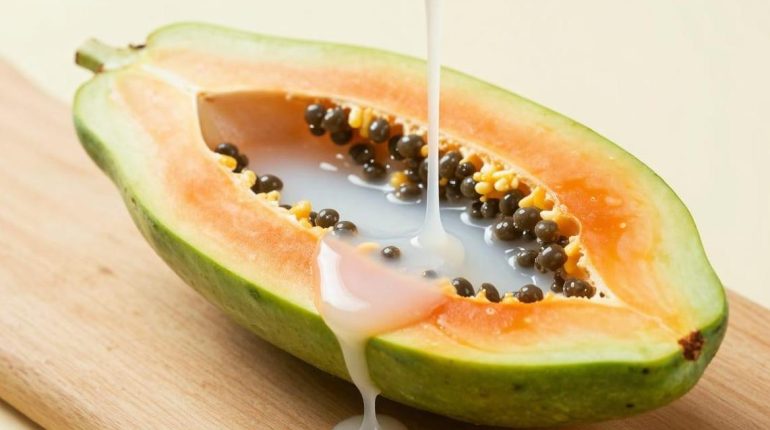
How many times have you thrown away that milky white sap that flows from a green papaya when cutting it? This liquid, discarded without thought, actually contains papain, a remarkably powerful proteolytic enzyme used for generations in traditional medicines worldwide.
This substance, which the food industry uses as a natural meat tenderizer, has a unique ability: to break down long protein chains into digestible components. When a beef steak marinated in papaya latex becomes tender in a few hours, it is this same enzyme at work, methodically breaking down complex fibrous structures.
Papain is not limited to the latex. It also permeates the green fruit and leaves, creating an enzymatic arsenal that tropical cultures value to facilitate the digestion of protein-rich meals. Unlike synthetic enzymes, it acts at room temperature and across a wide pH spectrum, explaining its effectiveness both in the stomach and during culinary preparations.
What we consider plant waste is actually a natural digestive resource that our ancestors integrated into their therapeutic practices. The irony? While we seek expensive digestive solutions in pharmacies, we daily eliminate this enzyme with documented properties, flowing down our cutting boards into the sink.
Four Scientifically Documented Digestive Benefits
Papaya’s digestive virtues are based on precise physiological mechanisms, though scientific nuance is required: research primarily validates the effects of the whole fruit and standardized supplements, rarely the isolated sap.
First benefit: improved protein breakdown. Papain accelerates the fragmentation of dietary proteins, reducing that persistent feeling of heaviness after a heavy meal. The enzyme acts as an enzymatic assistant, relieving the work of the stomach and pancreas during the digestion of meat, legumes, or dairy products.
Second observable effect: support for intestinal regularity. The combination of the fruit’s fibers and its enzymatic activity creates a favorable environment for transit. Regular users report a progressive normalization of their digestive rhythm, without the harsh effects of chemical laxatives.
Bloating, gas, and slowed digestion constitute the third field of action. People suffering from abdominal discomfort frequently notice an improvement after integrating papaya into their daily diet. The enzyme facilitates the breakdown of fermentable compounds responsible for these bothersome symptoms.
Finally, preliminary data suggest a potential relief of acid reflux and heartburn by optimizing gastric function. The enzyme could accelerate stomach emptying, thereby reducing the upward pressure responsible for acid reflux.
This demonstrated effectiveness nevertheless raises an essential practical question: how to take advantage of these properties without exposing oneself to the risks of raw sap?
Safe Instructions for Use: Four Alternatives to Direct Consumption
The raw sap presents a paradox: powerful but potentially irritating to digestive mucous membranes. Concentrated amounts can attack the mouth, throat, and stomach. The solution lies in controlled methods of use that preserve the benefits while eliminating the risks.
First approach: use the sap as a marinade to tenderize meat before cooking. Papain pre-digests proteins beforehand, transforming fibrous cuts into tender pieces while facilitating their subsequent assimilation. This ancestral technique combines culinary efficiency with digestive optimization.
Second option: prepare infusions from papaya leaves or peels. These traditional herbal teas, consumed in several tropical cultures, gradually release active compounds into a hot liquid that softens their action on the stomach. One cup after main meals is usually sufficient.
Daily consumption of ripe papaya represents the third alternative, probably the most accessible. One to two daily servings provide the necessary enzymes without any risk of irritation, as the mature fruit contains moderate and naturally balanced concentrations.
Finally, standardized papain supplements offer precise dosing in encapsulated form. This pharmaceutical solution is particularly suitable for people seeking strict regularity, provided they obtain prior approval from a healthcare professional.
These methodological precautions are not mere recommendations: they determine the boundary between therapeutic benefit and medical contraindication.
Essential Precautions and Nutritional Profile of Ripe Papaya
These methodological warnings are accompanied by formal contraindications. People suffering from pre-existing digestive disorders must consult before any experimentation. Latex allergies represent an absolute contraindication: papain shares allergenic proteins with natural rubber, potentially triggering severe cross-reactions.
Pregnant and breastfeeding women fall into a specific risk category. Papain can stimulate uterine contractions and change the composition of breast milk. Prior medical advice is not a suggestion but a safety obligation.
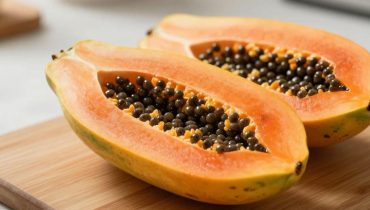
However, giving up the sap by no means means giving up the benefits. Ripe papaya offers a complete nutritional arsenal without any of the risks associated with raw latex. Its soluble and insoluble fibers maintain intestinal regularity naturally, while its exceptional concentration of vitamin C — up to 61 mg per 100 g, or 75% of daily needs — strengthens immunity and accelerates tissue repair.
Beta-carotene, a precursor to vitamin A, protects digestive mucous membranes and neutralizes oxidative stress. Antioxidant flavonoids and carotenoids create an anti-inflammatory intestinal environment favorable to optimal digestion.
The whole fruit thus represents the perfect balance: active enzymes in moderate concentrations, synergistic nutrients, and a total absence of adverse effects. An approach that transforms scientific caution into a sustainable nutritional strategy.