

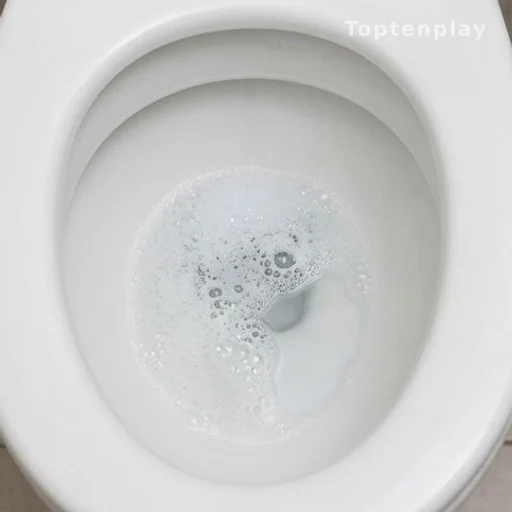
When the kidneys’ filtering system sustains damage, that barrier breaks down. Proteins escape into the urine, and as the stream hits the toilet bowl, they produce foam that is denser and more persistent than ordinary bubbles. The key distinction, according to the source, is duration and recurrence: foam that lingers rather than dissipating quickly, appears repeatedly, and is consistently abundant warrants attention.
An isolated incident of mild foaming is generally not cause for alarm — factors like a forceful stream or dehydration can produce brief bubbles. The concern arises when the pattern becomes consistent: foam that returns regularly and takes a long time to disappear is the signal worth reporting to a healthcare provider.
How the kidneys filter your blood
The kidneys process roughly 180 liters of blood every day, using millions of tiny filtering units called glomeruli to separate waste from essential substances. Proteins are normally too large to pass through these filters and remain in the bloodstream. When the filters are damaged — by high blood pressure, diabetes, or other conditions — that barrier fails, and protein begins appearing in the urine.
Proteinuria affects up to 40% of diabetics and one in three people with high blood pressure
The medical term for protein in urine is proteinuria. It is not a disease in itself but, as the source describes it, a warning light on a dashboard — evidence that something may be affecting kidney function beneath the surface. The condition is more widespread than many people realize.

According to the source, up to one in three people with high blood pressure may experience some degree of protein leakage. The figures are even more striking for people with diabetes: between 30 and 40 percent will develop kidney damage over their lifetime. The condition also becomes more prevalent with age, obesity, and metabolic disorders.
Beyond diabetes and hypertension, other groups face elevated risk: people with a family history of kidney disease, autoimmune conditions, obesity or metabolic syndrome, and those who regularly use over-the-counter anti-inflammatory medications such as ibuprofen, naproxen, or diclofenac. For all of these individuals, protein loss can begin long before any visible sign appears — making awareness of foamy urine especially relevant.
The silent damage: how high blood pressure quietly destroys the kidney’s filters
One of the most concerning aspects of kidney damage is that it typically produces no pain and no obvious symptoms in its early stages. The kidneys can sustain significant deterioration without sending any clear alarm. By the time noticeable symptoms emerge, the condition may already be advanced — a reality that makes relying on how you feel an unreliable strategy.

High blood pressure plays a particularly destructive role. It places continuous strain on the glomeruli, the delicate filtering units inside the kidneys. Over time, that sustained pressure makes these filters more permeable, allowing proteins to escape into the urine. The source describes a troubling cycle: damaged filters leak protein, the protein loss signals ongoing damage, and the kidneys continue to deteriorate.
Suggested Posts

A mystery object in hand turns out to be a vintage tape dispenser
A small, polished golden-brown object sat in someone's hand with no obvious purpose — no label, no instructions, no obvious mechanism. Online searches and…