

Addressing blood pressure early — through medication, lifestyle changes, or both — can help interrupt this cycle before it becomes irreversible. Many people, however, never discover they have kidney problems until a routine medical test reveals them, underscoring why proactive screening matters far more than waiting for symptoms to appear. For those already managing blood pressure medication or diabetes treatment, regular urine testing should be a standard part of follow-up care.
Simple tests can detect kidney damage before it becomes permanent
The encouraging reality is that proteinuria can be identified before serious damage sets in. Several accessible tests are available: a routine urinalysis, an albumin-to-creatinine ratio, a 24-hour urine protein measurement, and kidney function blood tests. None of these require specialist referral to initiate — a standard checkup is often sufficient.
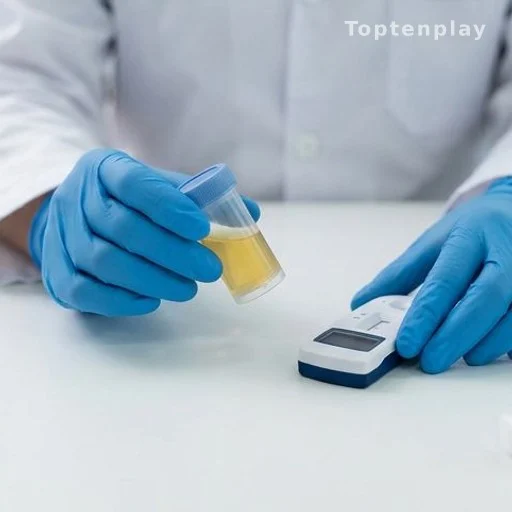
The source uses a compelling analogy: detecting microalbuminuria — small amounts of protein in urine — is like noticing smoke before a full fire develops. It represents the ideal window for intervention, when changes to blood pressure control, blood sugar management, or medication habits can still prevent further deterioration. Waiting for the fire means confronting a situation where treatment options are significantly more limited.
For people in high-risk groups, the practical recommendations are clear: mention persistent foam to a healthcare provider, request urine tests regularly even when feeling well, keep blood pressure and blood sugar well controlled, and limit use of anti-inflammatory medications. Maintaining consistent healthy habits — rather than short-term efforts — and scheduling regular checkups round out the approach. For those evaluating their health insurance coverage, confirming that routine kidney screening is included could prove to be a worthwhile investment in long-term care.
The next step for anyone who notices persistent foam in their urine is straightforward: raise it with a healthcare provider and request a basic urine test. For those already managing diabetes or high blood pressure, the open question is whether kidney screening is already part of their regular follow-up — if not, it should be. Researchers and clinicians continue to study how early intervention in proteinuria can slow or halt the progression toward chronic kidney disease, a condition that affects hundreds of millions of people worldwide and for which treatment becomes significantly more complex once significant damage has occurred.
Suggested Posts

A mystery object in hand turns out to be a vintage tape dispenser
A small, polished golden-brown object sat in someone's hand with no obvious purpose — no label, no instructions, no obvious mechanism. Online searches and…