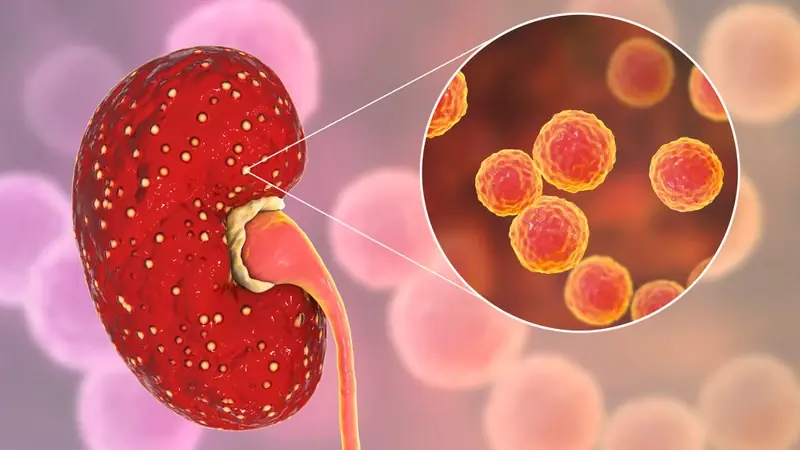
Foamy urine accompanied by burning during urination, foul odor, or dark coloration may indicate a urinary tract infection (UTI). The journal Nephrology Dialysis Transplantation notes that proteinuria is often present during UTIs. Dr. Traci Johnson of WebMD recommends drinking plenty of fluids to flush bacteria and seeking medical care if symptoms persist beyond two days.
Studies published in the International Journal of Nephrology and Renovascular Disease also link protein in urine to a higher risk of hypertension, stroke, heart disease, and heart failure. Individuals with both high blood pressure and proteinuria are described as being at significantly increased cardiovascular risk.
Dr. Castle’s recommendation: a urine analysis when foam is frequent or accompanied by other symptoms
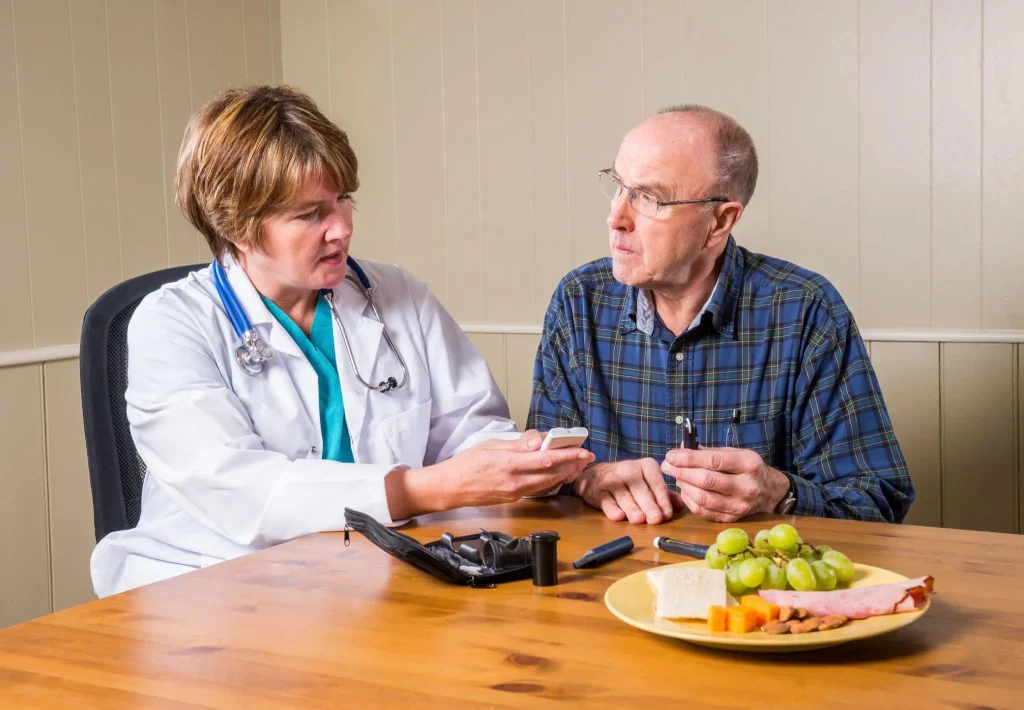
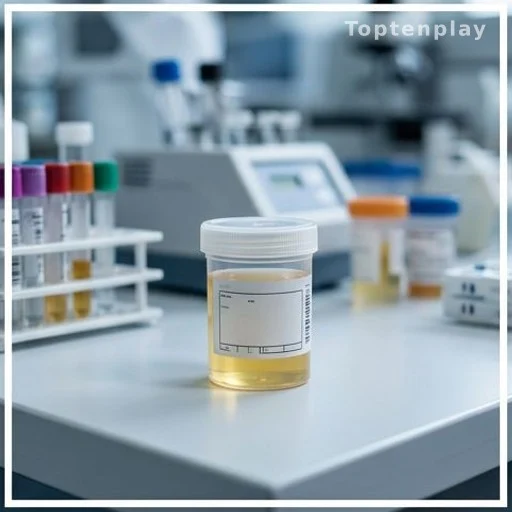
Occasional foamy urine is normal and typically resolves on its own. However, Dr. Erik Castle of the Mayo Clinic advises that foam appearing frequently — especially when the person is well hydrated — warrants a urine analysis to measure protein levels and identify any underlying condition. Early diagnosis, he notes, allows for timely treatment and the prevention of complications.
The broader picture of symptoms matters. Foam combined with swelling, fatigue, pain, or dark-colored urine is a stronger signal to consult a healthcare professional. Conversely, foam that appears once after holding urine for a long time, or after cleaning the toilet, generally requires no action beyond monitoring.
The next step for anyone experiencing persistent foamy urine is a urine protein test, which Dr. Erik Castle describes as the key diagnostic tool. Open questions include how often individuals with known risk factors such as diabetes or hypertension should be screened for proteinuria, and whether early lifestyle interventions — hydration, stress management, blood sugar control — can meaningfully delay the onset of kidney involvement. For pregnant women, the timeline is more urgent: any combination of foam with headache, vision changes, or swelling should prompt same-day medical contact given the potential for rapid progression of preeclampsia.