📌 Fig leaves: how this natural treasure helps regulate blood sugar and protect your heart
Posted 22 March 2026 by: Admin
Fig Leaves: A Little-Known Treasure With Multiple Virtues
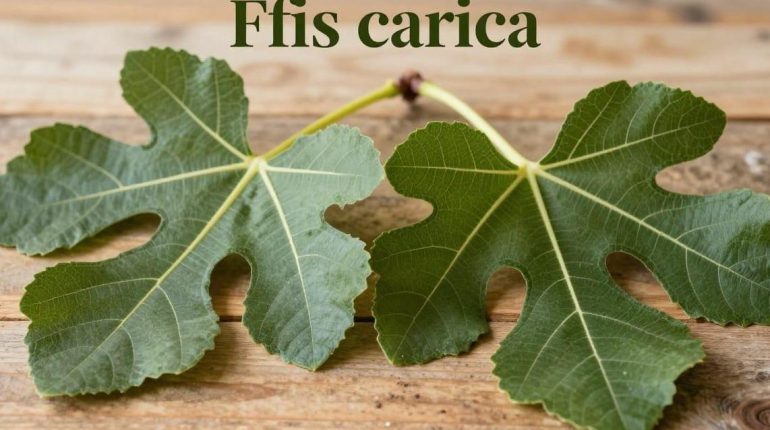
When we think of the fig tree, the collective imagination immediately summons its fleshy and sweet fruit, prized on Mediterranean tables. Yet, an essential part of the _Ficus carica_ tree remains in the shadows: its leaves. What many do not know is that these have been a pillar of traditional herbal practices for millennia, particularly in the Mediterranean basin.
Unlike the ephemeral fruit, fig leaves concentrate an arsenal of remarkable bioactive compounds. Analyses reveal the presence of flavonoids, polyphenols, vitamins, and minerals — molecules with recognized properties for their action on the body. In the ancestral cultures of the Mediterranean rim, these leaves were not considered simple plant waste, but a true versatile remedy.
This transgenerational recognition is based on centuries of empirical observation: rural communities have integrated fig leaf infusions into their domestic pharmacopoeia to support digestion, metabolic balance, and general well-being. While modern scientific research is only beginning to document these uses, collective experience testifies to an effectiveness convincing enough to cross the centuries.
Today, as trends value the return to natural solutions, fig leaves fully deserve their nickname of “green gold” — a qualifier that reflects both their therapeutic potential and their accessibility.
Seven Potential Benefits Validated By Traditional Use
Beyond their cultural valuation, fig leaves are now of interest to researchers for their concrete applications. Four therapeutic axes emerge with significant recurrence in preliminary studies.
Digestive support is among the most documented uses. Leaf infusions alleviate bloating and gastric discomfort following heavy meals — an effect attributed to polyphenols that are thought to facilitate intestinal motility. This gentle action is accompanied by a soothing ritual that amplifies the benefits through the relaxation provided.
On the metabolic level, several studies point to a particularly promising property: the influence on post-prandial glycemia. Fig leaf extracts are thought to modulate glucose absorption and improve insulin sensitivity, two crucial mechanisms for glycemic balance. These results, although preliminary, explain why some traditional medicines prescribe these infusions for metabolic imbalances.
The antioxidant arsenal contained in the leaves constitutes a third major asset. Flavonoids neutralize free radicals responsible for oxidative stress — that insidious process that accelerates cellular aging and weakens the body against daily environmental aggressions.
Finally, the potassium naturally present in the leaves, combined with their bioactive compounds, is thought to participate in maintaining healthy blood pressure and a balanced lipid profile. This cardiovascular contribution, integrated into a varied diet, reinforces the interest in regular consumption as a herbal tea.
Respiratory, Skin Applications And Well-Being Rituals
These metabolic and cardiovascular properties represent only one facet of traditional applications. The respiratory tract also benefits from the action of fig leaves — some Mediterranean cultures have for centuries prepared hot infusions or steam inhalations to soothe mild coughs and seasonal irritations. This ancestral practice takes advantage of the volatile compounds released during infusion, which provide immediate relief without resorting to pharmaceutical solutions.
Topical use constitutes another little-known dimension. Applied directly to the skin as a poultice or cooled infusion, the leaves traditionally soothe minor skin irritations. This external application is part of a holistic logic: the internal balance cultivated by regular consumption of herbal tea is reflected in the radiance and resilience of the epidermis.
Beyond measurable physiological benefits, fig leaves offer a natural daily ritual that many find grounding. The simple act of preparing a tea — selecting the leaves, observing their infusion, inhaling their woody aroma — establishes a contemplative pause in the frantic contemporary pace. This psychological dimension amplifies the therapeutic effects through the coherence it introduces between body and mind.
It remains to transform this knowledge into concrete practice, respecting the essential precautions for responsible use.
Practical Instructions And Precautions For Use
Transforming these ancestral virtues into a daily routine requires a simple but rigorous preparation. Fig leaf tea is obtained in a few steps: select clean and pesticide-free leaves, rinse them thoroughly under clear water, then infuse them — fresh or dried — in simmering water for 8 to 10 minutes. Then filter before consuming lukewarm. A dash of lemon or a cinnamon stick enriches the aromatic profile without altering the active principles.
This ease of access must not hide essential precautions. People with a sensitivity to latex or figs risk allergic reactions — hives, itching, or even edema in severe cases. This botanical kinship with natural latex imposes particular vigilance on individuals already diagnosed.
Medical consultation becomes imperative for fragile populations. Diabetics on medication must obtain the approval of their practitioner before any regular consumption, as the active compounds can interact with hypoglycemic treatments. Pregnant or breastfeeding women, whose metabolism undergoes profound changes, must also seek professional advice. Moderation remains the guiding principle: even natural substances exert measurable biological effects.
With these safeguards respected, fig leaves integrate harmoniously into a global approach to well-being, where millennial tradition meets contemporary responsibility.