📌 Fat-burning soup: how 500g of cabbage and 4 vegetables transform your slimming meals
Posted 20 March 2026 by: Admin
Fat-Burning Soup: A Slimming Ally With Multiple Benefits
Between 80 and 120 kilocalories per serving. This figure alone sweeps away the misconception that eating light condemns one to frustration. This so-called “fat-burning” soup proves the opposite: it allows for a generous volume while maintaining minimal calorie intake, ideal for supporting a weight loss journey without sacrificing taste pleasure.
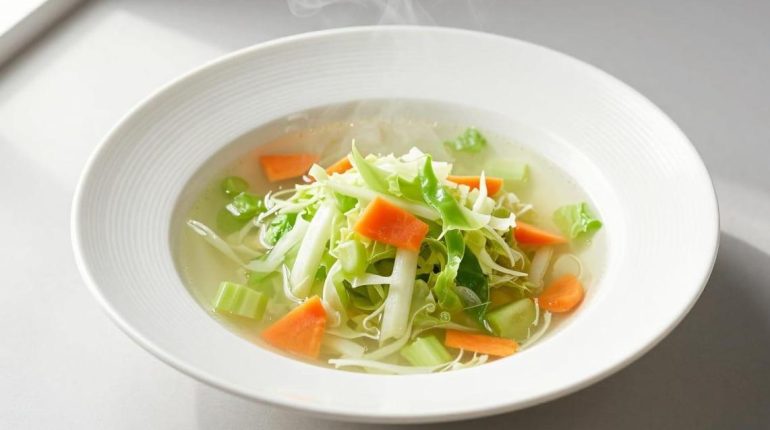
The strength of this recipe lies in its composition. White cabbage, carrots, celery stalks, and onions combine to create a dish that is both fragrant and nutritious. Unlike industrial soups that are often nutrient-poor, this one offers a wealth of fiber that promotes digestion and provides lasting satiety. The satiating effect does not come from high calorie intake, but from the nutritional density of the vegetables used.
Natural hydration is another major asset. Composed mainly of water and nutrient-packed vegetables, this soup facilitates elimination while remaining easy to digest. Its integration into a daily slimming program requires no particular effort: as a starter to reduce appetite before the main course, or as a light evening meal, it adapts to everyone’s needs.
Economical, quick to prepare, and customizable according to the seasons, this recipe transforms simple ingredients into a real slimming tool. Each vegetable plays a precise role in this nutritional efficiency.
Ingredients Decoded: When Every Vegetable Becomes An Asset
White cabbage plays the central role. With 500 grams per preparation, this cruciferous vegetable provides a massive amount of fiber that lines the stomach and extends the feeling of fullness well beyond the meal. Its richness in vitamins C and K also makes it a powerful ally for the immune system, while its low calorie density allows for generous consumption without compromising the slimming goal.
Carrots complement this base with a touch of natural sweetness. Their 300 grams provide beta-carotene, a precursor to vitamin A essential for vision and skin health. Unlike cabbage, which can sometimes have a strong taste, they soften the whole and make the soup more accessible to sensitive palates.
Celery stalks play a different part. With only 200 grams and almost zero calorie intake, it acts as a natural draining agent that helps the body eliminate excess water. Its crunch, even after cooking, adds an interesting texture that avoids the monotony of a soup that is too smooth.
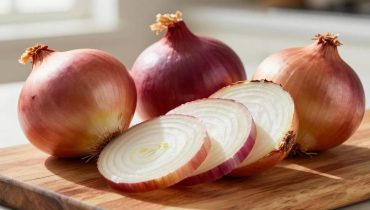
Onions, garlic, and parsley form the aromatic trio. Beyond their undeniable taste contribution, they concentrate antioxidant compounds that strengthen natural defenses. Garlic in particular contains allicin, known for its antimicrobial properties, while fresh parsley brings a final note of freshness that awakens the entire dish.
This synergy between vegetables transforms a simple soup into a balanced nutritional formula.
Express Preparation: 45 Minutes For A Week Of Light Meals
Cutting the vegetables constitutes the bulk of the work. Fifteen minutes are enough to wash and thinly slice the cabbage, cut the carrots into regular rounds, chop the celery into small pieces, and mince the garlic with the onions. This preparation step, although simple, determines the final success: uniform pieces guarantee even cooking and a pleasant texture.
The technique begins with a crucial gesture often overlooked. In a large pot, lightly sautéing the onions and garlic with a drop of water or oil releases their volatile aromatic compounds. This preliminary cooking transforms their natural pungency into a fragrant sweetness that will then permeate the entire broth. The cabbage, carrots, and celery then join the pot for an initial dry mix before adding the liquid.
The low-fat bouillon cube dissolves in 750 ml of boiling water poured over the vegetables. Cooking over medium heat lasts between 25 and 30 minutes, until the vegetables reach perfect tenderness. This precise duration allows the fibers to soften enough to facilitate digestion while preserving heat-sensitive nutrients.
The choice of final texture remains personal. Leaving the soup chunky preserves the crunch of the celery and the structure of the vegetables, while a pass through the blender produces a smooth velouté. The final addition of chopped parsley brings the fresh touch that balances the cooked flavors. Four portions can then be kept for three to four days in the refrigerator or frozen for later use, transforming this single preparation into a reserve of light meals ready to reheat.
Customization And Daily Integration
The basic recipe becomes a canvas to be modulated according to goals and preferences. Adding paprika or chili creates a spicy version that stimulates metabolism through induced thermogenesis, while integrating spinach or broccoli transforms the preparation into a green detox soup with amplified draining properties. For those seeking prolonged satiety, a few cubes of chicken or a handful of lentils provide the necessary protein without compromising overall lightness.
Health boosters further elevate the potential of this soup. A pinch of turmeric strengthens the natural anti-inflammatory action of the vegetables, fresh grated ginger dynamizes digestion, and a few drops of lemon added at the time of serving awaken the flavors while promoting the absorption of plant-based iron. These strategic additions multiply the benefits without increasing the calorie value, which oscillates between 80 and 120 kilocalories per serving depending on the chosen variations.
Three consumption modes optimize its slimming effectiveness. Served as a starter, it naturally reduces appetite before the main course. Consumed alone in the evening, it constitutes a complete ultra-light meal that facilitates nighttime digestion. Some adopt it as a concentrated cure for a few days, in addition to a balanced diet, to jumpstart weight loss.
Practical storage facilitates sustainable adoption. Portions keep for three to four days in the refrigerator in airtight containers, ready to be gently reheated to preserve nutrients. Freezing extends this duration, transforming the soup into a backup solution against the calorie temptations of busy evenings.