Passing gas at night is usually normal, but if it’s frequent, smelly, or paired with discomfort, it could signal something more. Understanding why it happens can help you take simple, practical steps for relief.
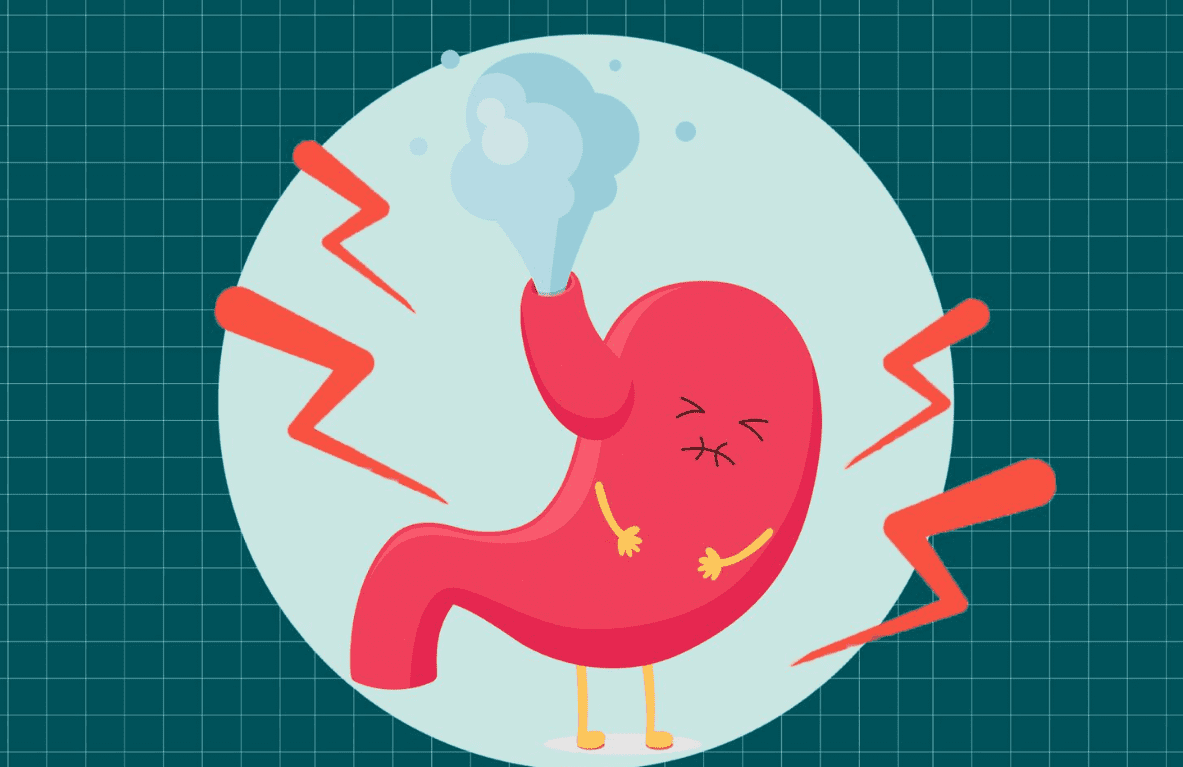
1. Natural Digestion at Work
Your gut bacteria stay active long after dinner. During the day, distractions and a tighter sphincter keep gas at bay, but at night your body relaxes. **That relaxation means accumulated gas escapes more easily.**
2. Diet Is Everything
Food is the biggest factor behind nighttime gas. – **Fermenting foods:** beans, lentils, cruciferous vegetables, onions, garlic, dairy, high-fiber grains, and some fruits. – **Carbonated drinks:** add direct gas into your digestive tract. – **Late, heavy dinners:** food lingers and ferments overnight.
3. Swallowed Air
Talking while eating, chewing gum, sipping through straws, and smoking all introduce excess air into your stomach. **That air eventually escapes as gas—often while you sleep.**
4. Medical & Digestive Conditions
Excessive nighttime gas can be linked to: – **Food intolerances:** lactose or fructose malabsorption. – **Gut conditions:** IBS, SIBO, or celiac disease. – **Constipation:** slow bowel movement allows food to ferment longer.
Smart Strategies to Quiet the Night
Dietary Tweaks
Eat dinner 2–3 hours before bed.
Track foods in a diary; consider a low-FODMAP plan with guidance.
Chew slowly, avoid straws, gum, and distracted eating.
Lifestyle Adjustments
Stay hydrated to support digestion and prevent constipation.
Move after meals with a short walk or gentle yoga.
Sleep on your left side to encourage easier gas passage.
OTC Helpers
Simethicone (Gas-X), alpha-galactosidase (Beano), or activated charcoal can reduce gas.
Lactase enzymes help if dairy intolerance is a factor.
Manage Stress & Habits
Reduce stress at meals to support enzyme release.
Quit smoking and cut out gum or straw use to reduce swallowed air.
When to See a Pro
If gas is sudden, unusually smelly, or paired with pain, bloating, diarrhea, constipation, or chronic gut conditions, **consult a doctor or dietitian.**
Tried-and-Tested Tips Table
Tip Why It Helps
Early, smaller dinners Gives digestion time before sleep
Low-FODMAP trial Identifies fermentable triggers
Post-meal walk/yoga Stimulates gut motility
OTC aids (Beano, simethicone) Reduces gas production and bubbles
Mindful eating Prevents excess air swallowing
Left-side sleeping Improves gas passage
Open talk & empathy Supports emotional comfort
Nighttime gas is often just a normal part of digestion. **Still, small adjustments—like eating earlier, changing sleep position, or trying gentle OTC aids—can make a big difference.** If discomfort continues or worsens, seeking medical advice is the safest step.