📌 Eggshell and joint pain: the inner membrane shows promising results but does not replace proven treatments
Posted 5 March 2026 by: Admin
The Decline Of Joint Collagen: Understanding The Mechanism Of Knee Degradation
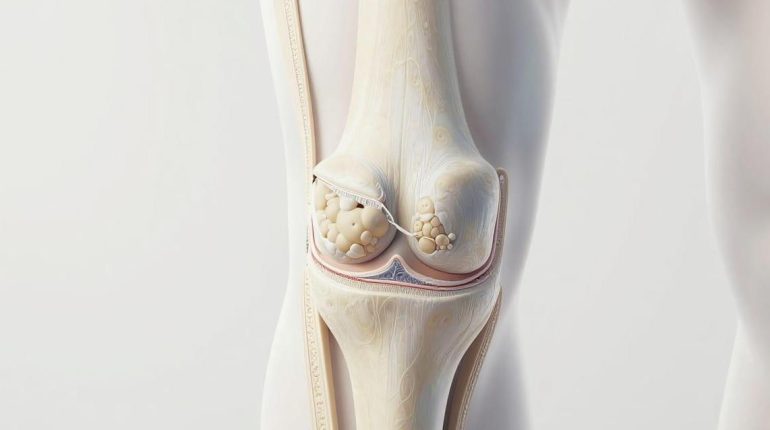
Your knees depend on a major structural protein: collagen. This substance forms the framework for cartilage, tendons, ligaments, and synovial membranes that ensure proper joint function.
With age, natural collagen production gradually decreases. This decline leads to direct and measurable consequences: increasing joint stiffness, thinning of protective cartilage, and characteristic cracking sounds during movement.
When cartilage thins, bones rub more directly against each other. This abnormal contact causes inflammation and discomfort, which can progress to osteoarthritis. The degradation of cartilage tissue compromises joint flexibility and the structural integrity of the entire knee.
Maintaining sufficient collagen levels therefore becomes crucial for preserving mobility and limiting the progression of joint damage. This understanding of the biological process explains why certain natural remedies, claiming to support collagen production, attract the attention of people suffering from chronic pain.
The question remains: are there accessible solutions to slow this decline and protect our joints? This is precisely where an unexpected ingredient, present in every kitchen, comes in.
Eggshell And Membrane: Composition Revealed And Crucial Distinction
Eggshells are not just about calcium. They contain two components with distinct properties that many people confuse.
The first element, the shell itself, contains mainly calcium carbonate, essential for bone density. Ground into a fine powder, it provides an interesting mineral contribution but offers no direct support for joint collagen.
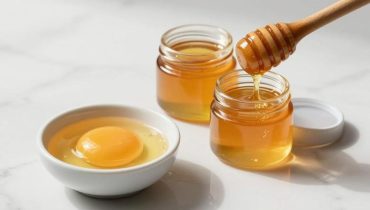
The second component is a complete game-changer: the thin inner film between the shell and the egg white. This membrane contains types I, V, and X collagen, as well as glucosamine, chondroitin, and hyaluronic acid. These compounds are precisely what are found in commercial joint supplements.
This is the distinction that viral publications systematically omit: homemade ground shell powder provides only calcium, while processed membrane extracts concentrate the molecules beneficial for joints.
Clinical studies on joint health exclusively use laboratory-processed membrane extracts, not domestic preparations. This nuance determines the actual effectiveness of the remedy.
Research on these extracts suggests potential benefits for reducing mild to moderate joint discomfort and improving flexibility. It remains to be determined how to prepare this remedy safely and what concrete results to expect.
Potential Benefits And Safe Preparation: Validated Protocol
These membrane extracts show promising effects on cartilage structure, with a measurable reduction in discomfort and improved mobility in some patients. However, there is a limit: they do not completely regenerate cartilage nor cure advanced osteoarthritis.
For a domestic preparation focused on calcium intake, a rigorous protocol is indispensable. First, rinse the shells thoroughly, removing any white residue. Boil them for ten minutes to destroy bacteria. Then dry them in the oven at 95°C for ten to fifteen minutes until completely dehydrated.
Grind everything into an extremely fine powder in a coffee grinder. The fineness determines absorption. Half a teaspoon provides a significant calcium intake, to be integrated into smoothies or yogurts.
A frequent error is exceeding 1000 to 1200 mg of daily calcium from all sources combined. Excess exposes one to kidney stones or hypercalcemia.
This preparation is mainly suitable for adults over forty with mild stiffness or low dietary calcium intake. Conversely, people suffering from kidney stones, hypercalcemia, or severe joint degeneration must consult a doctor before any use.
The eggshell represents a complementary element, but other approaches show stronger scientific evidence for truly protecting joint collagen.
Scientifically Validated Alternatives And Final Verdict
These stronger approaches begin with hydrolyzed collagen peptides, whose absorption far exceeds that of homemade preparations. Clinical studies show a tangible reduction in joint pain after eight to twelve weeks of regular supplementation.
Vitamin C plays a decisive role in collagen synthesis. Without it, the body cannot correctly assemble the protein fibers that maintain cartilage. Sufficient daily consumption via citrus fruits, peppers, or kiwis directly supports tissue regeneration.
Strength training strengthens the periarticular muscles that stabilize the knee and reduce pressure on the cartilage. Maintaining an optimal weight decreases mechanical load: every kilogram lost equals four kilograms less pressure on the joint when walking.
Omega-3s fight chronic inflammation that accelerates cartilage degradation. Fatty fish, walnuts, and flaxseeds provide these essential fatty acids that the body does not produce.
Eggshell membrane shows promising results for mild joint discomfort, while shell powder supports calcium intake. But neither is a miracle cure. Knee health requires a global strategy combining targeted nutrition, adapted physical activity, and inflammatory control.
Eggshells can be part of this multifactorial approach, not replace it. In the face of persistent pain or reduced mobility, a medical consultation remains the safest step to establish a precise diagnosis and appropriate treatment.