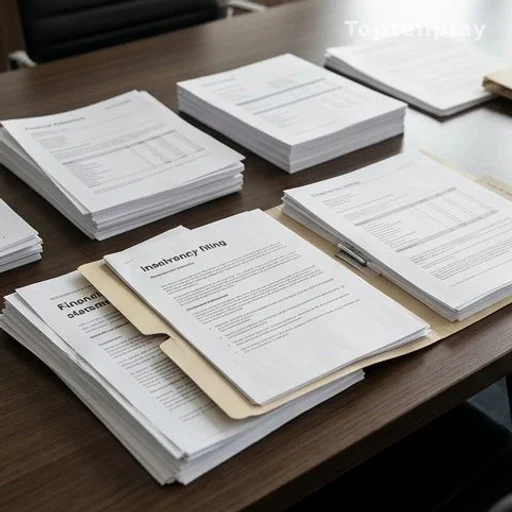
The connection to D&O exposure is direct. "Financial distress typically intensifies scrutiny of board decision-making and capital allocation," says Jarrod Schlesinger, global head of Financial Lines and Cyber at Allianz Commercial. When companies fail, creditors, shareholders, and regulators routinely examine whether directors acted appropriately — and whether insurers must cover the legal costs that follow.
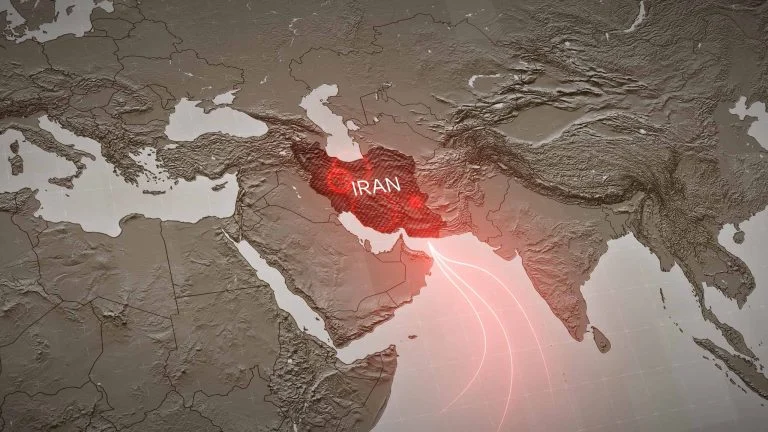
Geopolitical instability is compounding the pressure. Schlesinger describes armed conflicts, sanctions, cyberattacks, and trade disputes as "now routine considerations for multinational companies," adding that "political, economic, and social volatility across regions is affecting supply chains, capital flows, regulatory regimes, and operational continuity." Each of these disruptions can translate into operational, financial, or reputational harm — and, ultimately, litigation against the executives responsible.
What is D&O insurance?
Directors’ and officers’ (D&O) liability insurance covers the personal legal costs of company executives when they are sued for decisions made in their professional capacity — by shareholders, regulators, creditors, or employees. The market experienced years of falling premiums following a period of intense competition among insurers, but rising claims frequency and severity across multiple risk categories are now reversing that dynamic in several regions.
Non-accounting lawsuits have more than doubled in a decade as derivative litigation spreads
Beyond insolvency, the litigation landscape facing boards has broadened significantly. Shareholder activism is driving what Schlesinger describes as an expansion of "derivative litigation" in both frequency and severity — actions that now number in the dozens each year and frequently accompany securities class actions alleging breaches of fiduciary duty.

The triggers have diversified well beyond traditional accounting disputes. M&A activity, regulatory enforcement actions, workplace and consumer issues, and other operational shocks are increasingly acting as catalysts for D&O suits. Non-accounting securities class actions have more than doubled over the past decade, Schlesinger notes, with environmental and product-related controversies — including emerging litigation tied to so-called "forever chemicals" — producing costly settlements.
Europe and the UK are bearing a disproportionate share of this pressure. "Geopolitical instability is also amplifying cross-border compliance exposure and driving significant D&O losses, particularly in Europe and the UK," Schlesinger says. Companies navigating sanctions regimes and politically unstable regions face a particularly acute combination of regulatory risk and litigation exposure.
ESG mandates and AI-washing create two new frontiers of personal liability for executives
As more countries introduce mandatory ESG reporting, directors and officers face growing exposure to investigations, enforcement fines, and private litigation over non-disclosure or misrepresentation of sustainability commitments. "Expanding disclosure and reporting regimes — particularly in Europe and other major markets — are elevating expectations around transparency, climate strategy, supply chain oversight, human rights, and workforce governance," Schlesinger says. In the UK, scrutiny of ESG and AI disclosures is intensifying; in the US, Securities and Exchange Commission enforcement actions are on the rise.

Artificial intelligence has introduced a parallel and fast-growing liability. Beena Ammanath, executive director of the Global Deloitte AI Institute, identifies a widening gap between what companies claim about their AI capabilities and what they are actually implementing — a misalignment that can trigger regulatory scrutiny, securities litigation, and shareholder actions. "Boards are increasingly accountable for a widening set of AI-related risks," she says, citing "model inaccuracies and hallucinations to IP leakage, privacy breaches, bias, ethical lapses, and cybersecurity exposure."
Suggested Posts
Kids’ meals for adults: the restaurant debate over portions and price
A simple question — "Is that for a child?" — has sparked a genuine debate in the restaurant world. When adults want to order…