📌 Diabetes and digestion: why fig leaves are making a comeback in modern medicine
Posted 25 February 2026 by: Admin
Fig Leaves: A Little-Known Botanical Treasure
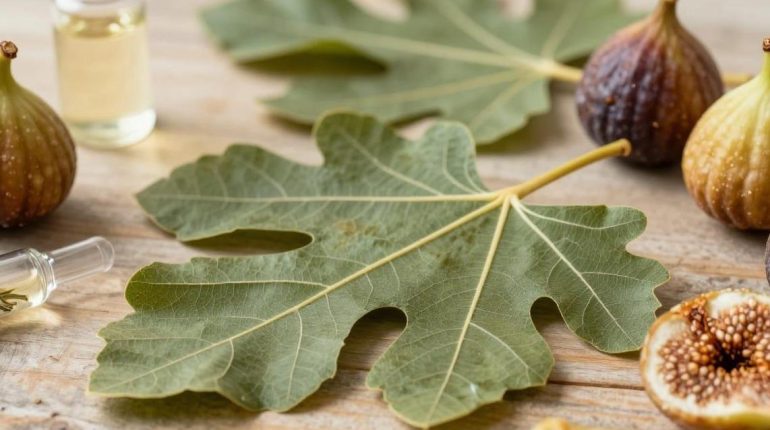
The fig tree (_Ficus carica_) immediately evokes its sweet fruits, savored for millennia around the Mediterranean basin. Yet, its leaves conceal unsuspected properties, long exploited in the herbal traditions of Asia and Southern Europe. Away from the spotlight, this part of the plant concentrates a nutritional richness that is beginning to spark the interest of researchers.
Analyses reveal a remarkable composition: flavonoids, polyphenols, fiber, vitamins A, B1, and B2, as well as essential minerals like calcium and magnesium. These bioactive compounds grant fig leaves antioxidant and anti-inflammatory properties documented in several preliminary studies. In ancestral pharmacopoeias, they were used in the form of infusions or poultices to support various health imbalances.
This plant heritage illustrates how certain familiar plants hide unknown therapeutic assets. While the fruit occupies the stalls, the leaf remains in the shadows, carrying an empirical tradition that research is beginning to validate. Understanding this composition allows for the comprehension of potential applications in a natural wellness approach, always as a complement to appropriate medical follow-up.
Metabolism and Cardiovascular Health: Promising Effects
Beyond their composition, fig leaves act on specific metabolic mechanisms. Several preliminary studies indicate an effect on glycemic balance: extracts seem to modulate glucose absorption and improve insulin sensitivity. In traditional practices, the infusion already accompanied people seeking to stabilize their blood sugar, long before science deciphered its active principles.
The cardiovascular system also benefits from these properties. The antioxidants present—mainly polyphenols and flavonoids—contribute to regulating LDL cholesterol and triglycerides, while mitigating the oxidative stress responsible for cellular aging. Encouraging results, observed in animal models, show a reduction in inflammatory markers associated with heart disease.
The fiber content also plays a role in weight management. By slowing digestion and prolonging satiety, it promotes natural dietary control. It is not a miracle solution, but a complementary lever in a global approach to weight balance.
An essential warning remains: these potential benefits never replace medical follow-up. Anyone under anti-diabetic treatment or suffering from cardiovascular pathology must imperatively consult before integrating fig leaves into their daily routine. The synergistic effect with certain medications could amplify or disrupt their action, requiring a measured and monitored adjustment.
Digestion, Skin, and Bone System: Multiple Applications
This metabolic action naturally extends to the digestive system. The fibers contained in the leaves stimulate intestinal peristalsis and relieve occasional constipation without brutality. Traditional use favored the infusion in cases of digestive discomfort, bloating, or mild acid reflux. The plant compounds exert a soothing effect on the gastric mucosa, reducing irritation while promoting a microbial balance conducive to intestinal comfort.
On the skin level, antioxidants demonstrate effectiveness against oxidative stress, the main accelerator of visible aging. Topical applications of leaf extracts already appeared in ancestral pharmacopoeias to treat eczema, acne, and minor inflammations. The presence of polyphenols helps regulate sebum production and reduce redness. However, any external use requires a prior test on a small area to rule out any risk of allergy.
Less known, bone support relies on the calcium and magnesium content. These minerals directly contribute to bone density and muscle function, two crucial parameters with age. Regular consumption, integrated into a balanced diet, can complement nutritional intake without ever replacing medically prescribed supplementation.
Finally, respiratory traditions persist: the infusion is said to clear the airways during seasonal changes, facilitating the expulsion of mucus. No robust clinical evidence validates this use, but empirical experience remains widespread. As with any natural remedy, caution dictates distinguishing between support and curative treatment.
Instructions for Use and Precautions: Integrating Fig Leaves Safely
The most accessible practical approach remains herbal tea. For two cups of water brought to a boil, add 2 to 3 fresh or dried leaves. Reduce heat and simmer for 10 to 15 minutes. Strain, then personalize with a spoonful of honey or a dash of lemon according to your preferences. Recommended consumption is limited to one cup, once or twice a day, integrated into a balanced dietary routine.
This simplicity must not overshadow the limits. Herbal remedies complement medical care; they never replace it. Anyone suffering from diabetes, hypertension, or chronic disorders must imperatively consult a healthcare professional before introducing the infusion. Pregnant or breastfeeding women, as well as people under medical treatment, must also seek prior medical advice to rule out any risk of interaction.
Dosage itself requires moderation. Overconsumption could cause mild digestive disorders or adverse reactions. Caution dictates starting with half a cup daily to observe individual tolerance, then gradually adjusting if no side effects appear.
Finally, the quality of the leaves directly conditions effectiveness and safety. Prioritize leaves from organic farming, free of pesticides, or harvest them from untreated trees. Careful rinsing removes dust and residues before any preparation. This vigilance guarantees an experience that is both safe and consistent with the traditions that have tested these uses over the centuries.