Guava Leaves: An Ancestral Secret For Oral Hygiene
For generations, certain communities around the world have integrated guava leaves into their oral hygiene rituals, long before the appearance of industrial toothpastes. This practice, passed down from generation to generation, is based on the purifying, soothing, and refreshing properties of this tropical plant, often neglected in favor of its sweet fruit.
Contrary to popular belief, this is not a recent natural wellness trend, but a true tradition rooted in natural medicine. Guava leaves naturally contain antioxidants, flavonoids, and tannins, compounds recognized for their beneficial effects on oral health. These plant substances help maintain a cleaner smile and fresher breath without resorting to harsh chemicals.
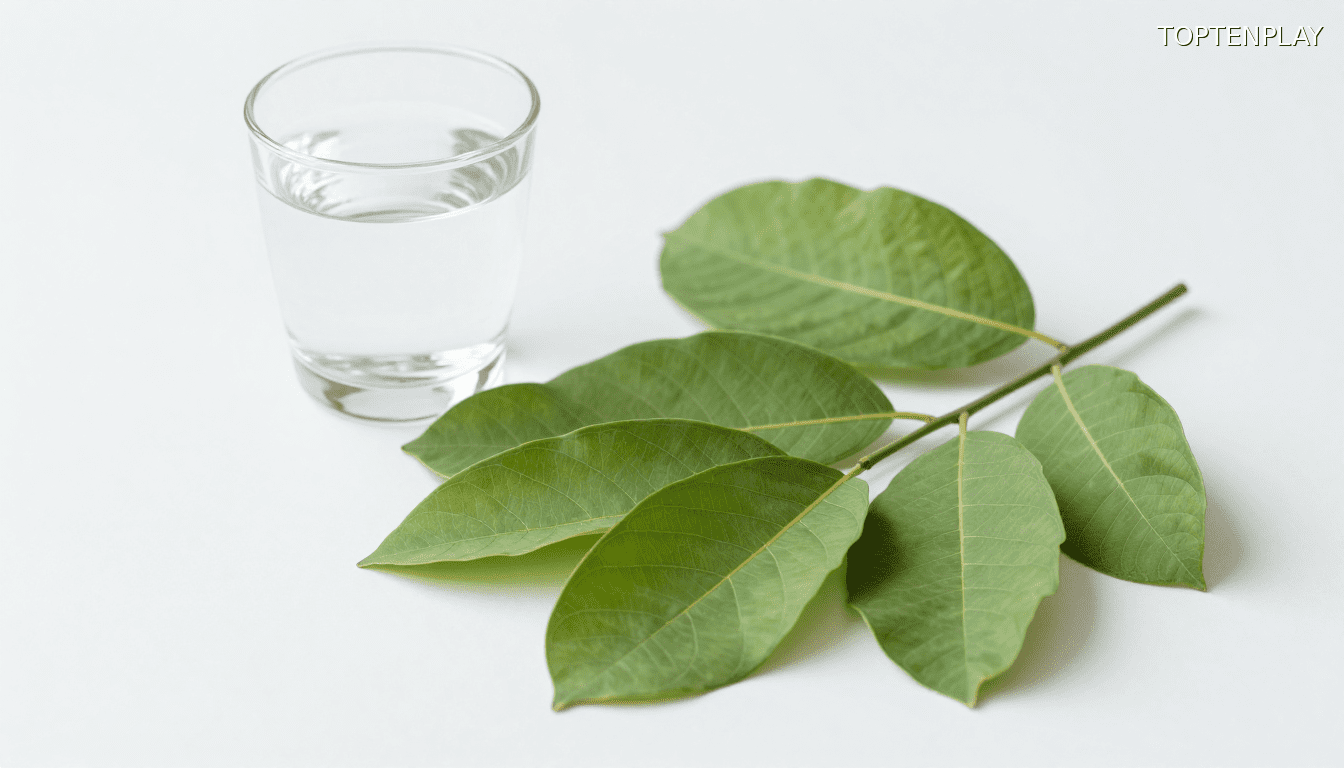
The strength of this method lies in its disconcerting simplicity: only five fresh leaves, a cup of water, and possibly a pinch of salt are enough to prepare a natural oral care treatment. Accessible and economical, this plant-based alternative positions itself as a relevant complement to conventional care, without ever claiming to replace professional dental treatments or the daily hygiene recommended by practitioners.
This contemporary rediscovery of ancestral knowledge opens the way to a more holistic approach to oral hygiene, where tradition and modernity combine to offer gentle and body-respectful solutions.
Three Traditional Application Methods For A Complete Routine
This ancestral practice offers three distinct modes of use, adaptable according to preferences and available time. The first method, the most common, consists of preparing a natural mouthwash: after bringing water to a boil, add the five previously washed guava leaves and let them simmer for ten minutes. Then filter the liquid and wait for it to cool slightly before using it as a mouth rinse, twice a day after usual brushing.
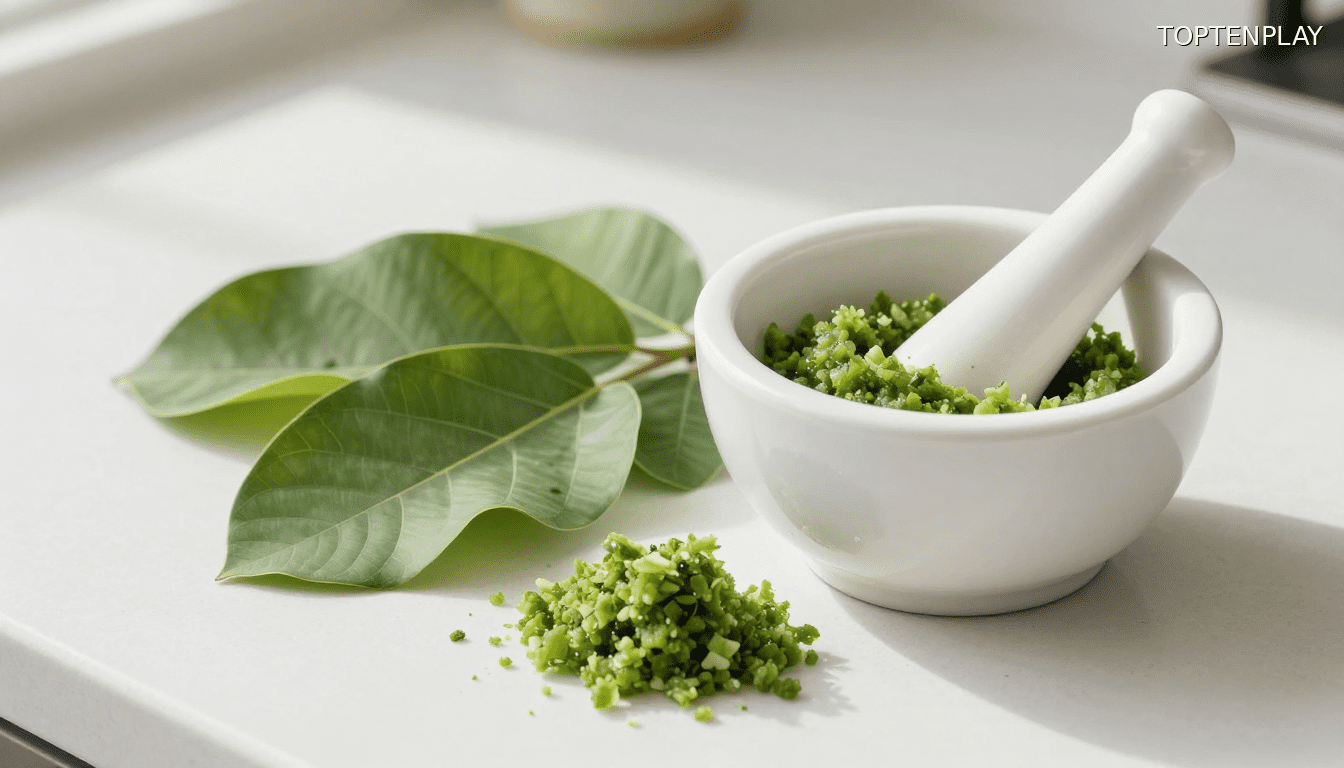
For a more direct approach, fresh leaf paste is an effective alternative. Crush young leaves until a smooth and soft texture is obtained, then gently apply this preparation to the teeth and gums for about five minutes. Rinse thoroughly with lukewarm water to remove all plant residue.
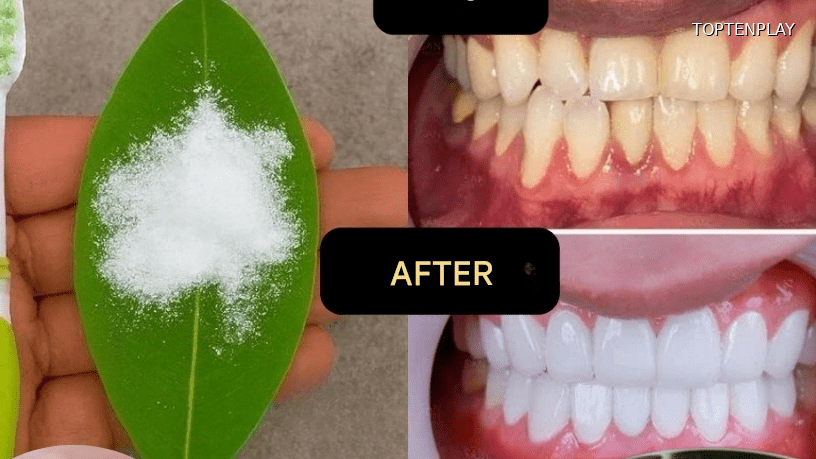
The third option, more elaborate, transforms the leaves into a natural tooth powder. Dry the leaves in the sun until completely dehydrated, grind them finely, then mix this plant powder with a pinch of salt. This preparation is used occasionally, as a periodic replacement for conventional toothpaste, for those seeking a totally natural experience.
Each method targets the same goals – reduction of oral bacteria, gum support, removal of surface residue – while adapting to individual time constraints and commitment to this complementary routine.
Traditionally Recognized Benefits On Oral Health
Beyond the application methods, these plant rituals rely on specific properties observed for generations in herbal hygiene practices. Guava leaves naturally contain antioxidants, flavonoids, and tannins whose purifying action particularly targets the bacteria responsible for bad breath, thus creating a lasting feeling of freshness after each use.
Traditional practitioners also value their ability to support gingival comfort. The plant compounds present in these leaves are thought to help maintain firmer and less sensitive gums, while promoting the removal of surface residue that accumulates daily on tooth enamel. This gentle cleaning action prolongs the feeling of oral cleanliness obtained after conventional brushing.
However, it should be remembered that these traditional benefits vary considerably from one individual to another. Salivary composition, diet, and personal hygiene habits directly influence the perceived effectiveness of this natural method. The results are neither a medical treatment nor a miracle solution, but rather a plant-based complement that is part of a global approach to oral well-being.
This nuanced understanding of the expected effects allows for the intelligent integration of this practice into daily life, provided that certain essential precautions are respected to avoid any imbalance of the oral flora.
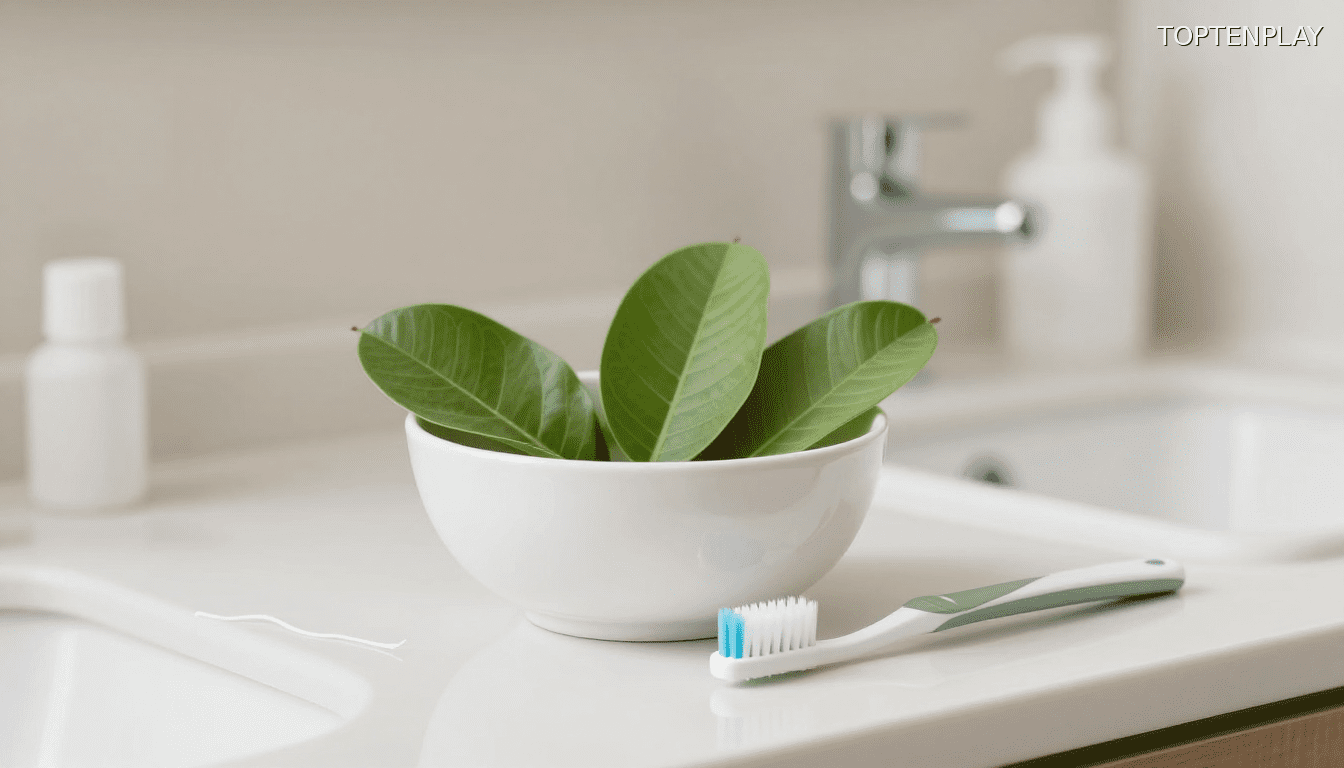
Precautions For Use And Safe Integration Into Your Routine
This understanding of potential benefits does not dispense with adopting a rigorous approach regarding frequency and methods of use. Natural medicine practitioners recommend an application limited to 2-3 times per week to avoid any imbalance of the oral flora or irritation of the mucous membranes. Excessive use, even with plant substances, can alter the natural pH of the mouth and compromise natural defenses against pathogens.
Maintaining daily brushing with a fluoride toothpaste remains absolutely indispensable. Guava leaves are a plant-based complement, never a substitute for scientifically validated conventional hygiene protocols. Flossing, regular professional scaling, and annual dental consultations remain the pillars of optimal oral health, which this natural practice cannot replace.
People with sensitive gums or a history of oral irritation should dilute the infusion further before use. In case of redness, unusual tingling, or persistent discomfort after application, treatment should be discontinued immediately and a health professional consulted. This precaution particularly applies to pregnant women, children, and people under medical treatment.
Integrated with discernment, this ancestral method offers a gentle alternative to enrich one’s hygiene routine without compromising the delicate balance of the oral ecosystem. The key lies in moderation and respect for the physiological limits of each organism.