📌 Crispy shrimp and garlic cigars: the Mediterranean-Asian recipe that can be prepared in advance and frozen
Posted 27 March 2026 by: Admin
The Perfect Alliance Between Traditions And Marine Flavors
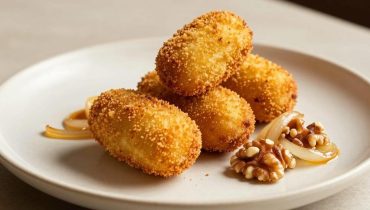
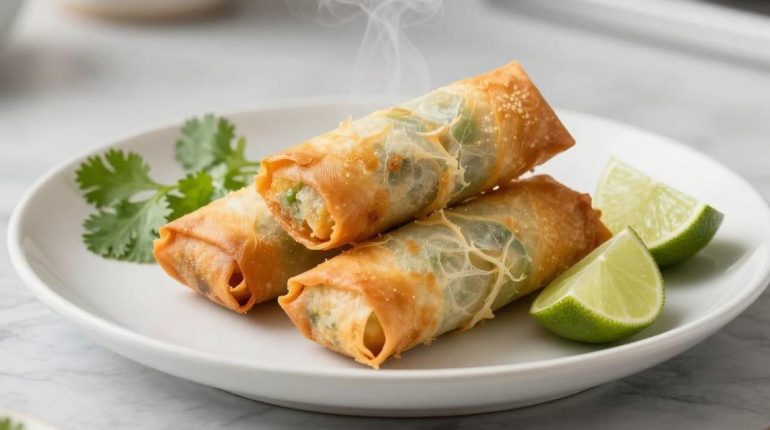
Born from the meeting of Mediterranean and Asian traditions, crispy shrimp cigars embody this culinary fusion where simple meets sophisticated. This ancestral preparation crosses continents, adapting Maghreb brick pastry sheets to rolling techniques inherited from Asian spring rolls.
The secret lies in this striking contrast: a thin, crispy shell that encloses a tender and flavorful heart. Shrimp, the true marine stars of this composition, deploy their natural sweetness, magnified by the powerful notes of garlic and the spicy subtlety of fresh ginger. Coriander brings that essential freshness that balances the whole, creating a taste harmony where no ingredient dominates the other.
This recipe seduces as much by its simplicity of execution as by its visual elegance. Contrary to appearances, these small golden rolls require no complex technique, just a few precise gestures and respect for proportions. Their versatility makes them formidable allies for all occasions: convivial aperitif, festive buffet, or refined starter preceding an elaborate dinner.
The accessibility of this preparation democratizes a cuisine that might seem reserved for the initiated, transforming every amateur cook into a craftsman capable of producing bites worthy of a gastronomic table. The crispness instantly reveals the quality of the work, rewarding the attention paid to detail.
The Complete Recipe In 40 Minutes Flat
The preparation of these cigars is structured around a precise protocol, accessible even to novice cooks. For twelve pieces, 300 grams of peeled shrimp form the base, enriched with crushed garlic, grated fresh ginger, and chopped coriander. Soy sauce and lemon juice bind the whole, creating a homogeneous filling with balanced aromas.
The assembly requires six brick pastry sheets cut in half, protected under a damp cloth to prevent drying. This simple tip preserves their flexibility and facilitates rolling. Each half-sheet receives a portion of filling on its rounded edge before being folded on the sides and then rolled firmly. Egg yolk seals the end, guaranteeing it holds during cooking.
The shrimp chopping technique determines the final texture: a knife cut, slightly grainy, far surpasses blending which would produce a paste that is too smooth. This granularity preserves the marine character of the crustacean, offering a richer taste experience with every bite.
Two cooking options are available to the cook. Frying at 170-180°C takes two to three minutes to reach that perfect browning and incomparable crispness. The oven alternative, fifteen to twenty minutes at 180°C with turning halfway through, is suitable for kitchens without a deep fryer. In both cases, constant monitoring avoids disappointments: oil that is too hot burns the outside without cooking the inside, while an insufficient temperature produces greasy and soft cigars.
The Secrets Of Guaranteed Success
Beyond technique, several precautions transform a correct preparation into an exceptional result. The dosage of the filling determines the strength of the cigars: an overload tears the brick sheet, while loose rolling causes opening during cooking. The firmness of the folding is therefore a decisive gesture, often neglected by beginners.
The oil temperature requires particular attention. Between 170 and 180°C, frying develops this golden shell without excessive fat absorption. A culinary thermometer eliminates dangerous approximations: beyond this range, the outside carbonizes before the filling reaches the desired cooking. Below, the cigars soak up oil and lose their characteristic lightness.
For receptions, raw freezing offers a major strategic advantage. The cigars keep for up to thirty days in the freezer, ready to be plunged directly into hot oil or baked without prior thawing. This advance preparation frees up time on the big day, allowing the cook to focus on other aspects of the service.
Immediate service after cooking preserves the textural integrity of the dish. Unlike braised preparations that benefit from resting, these cigars lose their crispness as they cool. Draining on absorbent paper removes excess surface oil, while a stint in a warm oven temporarily revives pieces prepared in advance. These technical details separate an acceptable presentation from a memorable taste experience.
Customization And Gourmet Accompaniments
This recipe allows for countless variations without denaturing its fundamental balance. Adding fresh or grated cheese to the filling creates a melting texture that contrasts with the crispness of the shell. Intensity lovers incorporate fresh chili, paprika, or harissa for a spicy version, while enrichment with vegetables (grated carrots, shredded cabbage, mushrooms) brings volume and vegetable nuances. The chicken-shrimp mixture offers a more substantial alternative, ideal for transforming the aperitif into a main course.
Accompanying sauces play a determining role in the final taste experience. Sweet and sour sauce sets a classic sweet-salty contrast, while the soy-honey mixture develops caramelized notes. The lemony yogurt version brings freshness and lightness, particularly appreciated during hot months. For demanding palates, a spicy sauce extends the aromatic intensity initiated by the ginger.
On the nutritional level, each fried cigar represents between 90 and 110 calories, with 5 to 7 grams of protein. Oven cooking significantly reduces fat intake, transforming this gourmet pleasure into an option compatible with a balanced diet. Storage extends up to twenty-four hours in the refrigerator before cooking, or thirty days in the freezer. This organizational flexibility allows the preparation to be adapted to the constraints of each event, from an intimate dinner to a buffet for twenty guests.