📌 Crème brûlée tart: the secret to perfect caramelization without overcooking
Posted 27 March 2026 by: Admin
The Meeting Of Two Monuments Of French Pastry
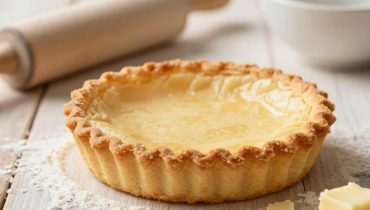
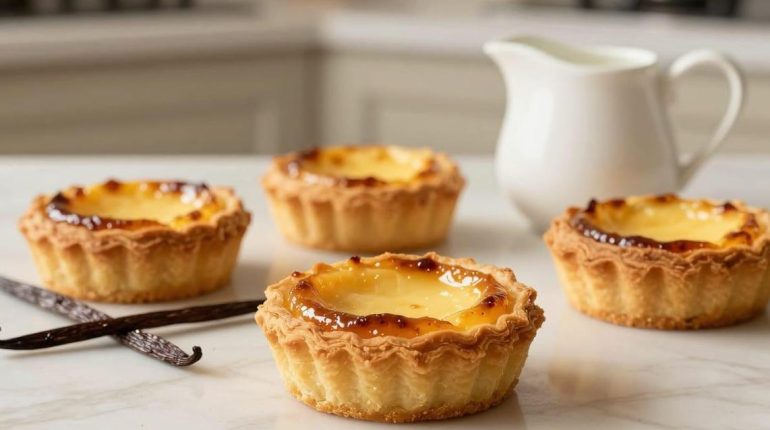
The crème brûlée tart embodies culinary audacity: merging two icons of French pastry into a single dessert. On one side, a crispy and golden tart base; on the other, a smooth vanilla cream, all enhanced by a thin layer of caramelized sugar that cracks delicately under the spoon.
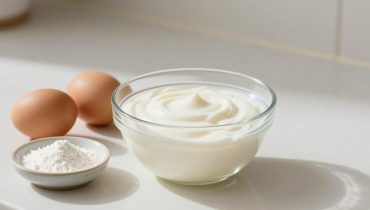
This alliance might intimidate amateur cooks. Yet, it reveals a surprising truth: no complicated technique or professional equipment is required. With a few basic ingredients – 250 ml of heavy cream, 4 egg yolks, 70 g of granulated sugar, a tart shell – and mastered timing, the result rivals that of professional bakeries.
The contrast between the sophisticated appearance and the simplicity of execution is immediately striking. In just 50 to 60 minutes, including 15 minutes of active preparation, this dessert takes shape. The key lies in patience rather than complexity: pre-baking the shell, gentle cooking of the cream, prolonged cooling, and then final caramelization.
This accessibility transforms a dessert perceived as reserved for professionals into a feasible home recipe. Elegance does not demand difficulty, simply the respect of a few methodical steps that guarantee success.
A Seven-Step Execution For A Result Worthy Of A Pastry Chef
The success of this tart relies on mastering temperature and timing, two parameters that transform ordinary ingredients into an exceptional dessert. The first step already determines the final quality: pre-baking the tart shell for 10 minutes at 180°C, after pricking it with a fork, prevents it from getting soggy upon contact with the cream.
Preparing the cream requires special attention. In a saucepan, the heavy cream heated with vanilla extract must never boil. Meanwhile, the egg yolks whisked with sugar form a light and homogeneous mixture. The gradual incorporation of the hot cream into the eggs, while stirring constantly, is the critical moment: excessive temperature would cook the eggs instantly, ruining the texture.
Baking for 25 to 30 minutes requires precise vigilance. The cream should be set on the edges but remain slightly jiggly in the center – a sign that the creaminess will be preserved after cooling. The latter, for at least 2 hours in the refrigerator, stabilizes the texture and allows the cream to set perfectly.
The final caramelization, with 30 g of brown sugar and a kitchen torch, must imperatively happen at the last moment. This final step seals the contrast of textures that makes the dessert so unique.
The Contrast Of Textures That Makes All The Difference
This meticulous alchemy results in a three-dimensional sensory experience that radically distinguishes this tart from conventional desserts. The crispy base offers initial resistance under the spoon, releasing a light crunch before giving way to pressure. This first texture, golden and firm thanks to pre-baking, immediately contrasts with the heart of the dessert.
The melting and smooth cream then reveals all its richness. The egg yolks bring depth, the heavy cream guarantees silkiness, while the vanilla extract diffuses its delicate fragrance. This intermediate texture, neither too liquid nor too firm, envelops the palate in a velvety sweetness reminiscent of the best Parisian crème brûlées.
Finally, the crunchy caramelized crust obtained with 30 g of brown sugar completes the triptych. This thin vitrified film, formed by the intense heat of the torch, breaks delicately on contact, releasing bitter notes that balance the sweetness of the whole. The sugar, heated to perfection, develops those characteristic roasted aromas without tipping into excessive bitterness.
This perfect alliance between tradition and indulgence transforms every bite into a contrasted exploration: crispy-melting-crunchy, an absolutely irresistible symphony of sensations that fully justifies the dessert’s reputation.
Customization And Storage For All Occasions
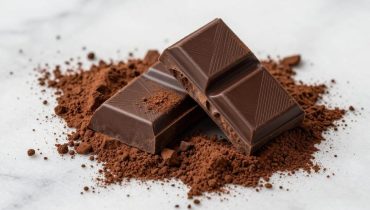
This structural versatility allows the dessert to be adapted according to desires or seasons. The chocolate version integrates melted chocolate into the vanilla cream, creating a cocoa depth. The coffee alternative incorporates an espresso into the preparation, offering a sophisticated bitterness. The lemon version adds zest for a fresh touch, while the red fruit variant places raspberries or blueberries directly before baking.
On a practical level, optimal storage extends over 2 to 3 days in the refrigerator, provided an absolute rule is respected: caramelize imperatively at the time of serving to preserve the crunch of the crust. Any early caramelization softens the sugar film upon contact with ambient humidity.
At 300 kcal per slice, this tart remains relatively reasonable for a dessert of this richness. Four fatal errors nevertheless compromise success: overcooking the cream which becomes grainy, excess sugar masking the vanilla, lack of pre-baking making the pastry soggy, and premature caramelization which destroys the crunch.
This adaptability, combined with mastered storage, transforms the crème brûlée tart into a strategic dessert, capable of adjusting to the constraints and ambitions of every gourmet occasion.