📌 Creamy curry dumplings: how to transform a frozen product into a comforting one-pan dish
Posted 20 March 2026 by: Admin
The Concept: Frozen Ravioli Transformed Into A Gourmet Dish
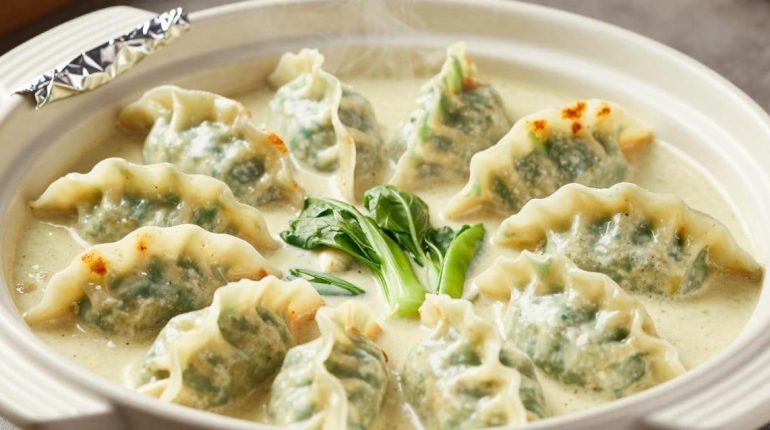
Transforming a bag of frozen ravioli into a dish worthy of an Asian restaurant is no longer a culinary feat. This oven-cooking technique revolutionizes the approach to frozen gyozas by sublimating them in a creamy curry-coconut sauce that coats every bite. The principle is based on two-stage cooking in a single dish: twenty minutes under aluminum foil to steam, then eight to ten minutes uncovered to obtain golden, crispy edges.
The key to success lies in an often-overlooked technical detail: the aluminum foil must be hermetically sealed over the dish. Without this precaution, some ravioli remain frozen in the center, but with a well-fitted foil lid, steam circulates uniformly and guarantees perfect cooking. This method eliminates the hazards of the pan where ravioli stick or cook unevenly.
Assembly is disconcertingly simple: sauce whisked directly in the dish, vegetables added, ravioli arranged in a single layer, then into the oven at 375°F. The result offers that sought-after texture that combines a melting interior and a slightly caramelized exterior, all drizzled with a sweet and savory sauce reminiscent of the best Thai curry dishes.
The Perfect Balance Of Flavors: Ingredients And Substitutions
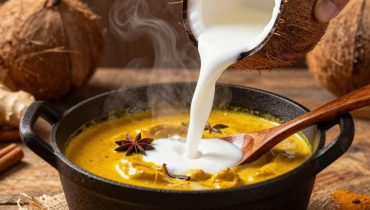
The creamy texture of this sauce relies on a decisive choice: full-fat coconut milk, never light. The light version dilutes the consistency and deprives the dish of that silky roundness that coats the ravioli. The salty-sweet balance between soy sauce and honey creates that “finished” taste characteristic of Asian cuisines, where each note reveals itself without dominating the others. To adjust the seasoning, taste the sauce before cooking and rectify with a dash of soy sauce for salt, a touch of honey for sweetness, or a drizzle of rice vinegar for brightness.
Bok choy deserves special attention: its stems trap sand at the base and require thorough washing. Cutting the white parts thinner than the green leaves guarantees even cooking. Napa cabbage, spinach added after cooking, or shredded coleslaw effectively replace this Asian vegetable.
The basic formula accepts multiple variations. Shredded roasted chicken or cooked shrimp integrated during the uncovered phase enrich the dish with extra protein. Sliced mushrooms, diced zucchini, baby corn, or water chestnuts bring complementary textures and flavors. To transform the sauce into a more liquid version to drizzle generously over rice, incorporate ¼ cup of water or broth during the initial mixing.
The Three-Step Simple Cooking Method
The 9×13 inch baking dish becomes the only necessary utensil. Pour the coconut milk directly in, then whisk the curry paste vigorously to dissolve lumps and avoid spicy concentrations that would burn the palate. Incorporate garlic, ginger, soy sauce, honey, rice vinegar, and sesame oil in this same container. Tasting this base before adding the vegetables allows you to adjust the balance of flavors.
Arrange bok choy, red bell pepper, and snow peas in the sauce, then distribute the 22 frozen ravioli in a single layer. Placing them slightly above the liquid level optimizes the final result: the steam will cook them from below, while direct heat will crisp the top. Preheat the oven to 375°F.
Hermetically cover the dish with foil and bake for 20 minutes. This crucial phase transforms trapped steam into the cooking engine, heating each ravioli uniformly to the core. Remove the foil, generously spoon sauce over each ravioli, then continue for 8 to 10 minutes uncovered. The edges should brown slightly, and the internal temperature should reach 165°F at the center.
The sauce thickens during this final phase, clinging to the ravioli while leaving enough liquid to coat the rice or accompanying noodles.
Storage And Customization Of The Dish
Leftovers keep for up to 4 days in the refrigerator in an airtight container, or 3 months in the freezer. After freezing, the ravioli lose their initial firmness but remain tasty. Thaw overnight in the fridge, then reheat in the oven at 350°F under aluminum foil until the dish is piping hot. Remove the cover for a few minutes at the end of cooking to restore crispness to the edges.
The microwave speeds up the process but irremediably softens the texture of the ravioli. Always prefer the oven to preserve the balance between creamy sauce and golden surface.
Garnishes transform each reheating into a different experience: sliced green onions, fresh cilantro, chili crunch for spice lovers, or toasted sesame seeds. Serve over basmati rice, quinoa, or soba noodles. For a more liquid sauce that generously coats starches, incorporate ¼ cup of water or broth before cooking.
This flexibility allows the dish to be integrated into a weekly rotation: prepare on Sunday, reheat on Wednesday, garnish differently to renew the experience. A single preparation effort, several comforting meals that evoke Asian cuisine without the usual technical complications.