📌 Creamy caramel tart: the cream cheese technique that changes everything in pastry
Posted 5 February 2026 by: Admin
The Gourmet Base: Assembling the Tart Shell
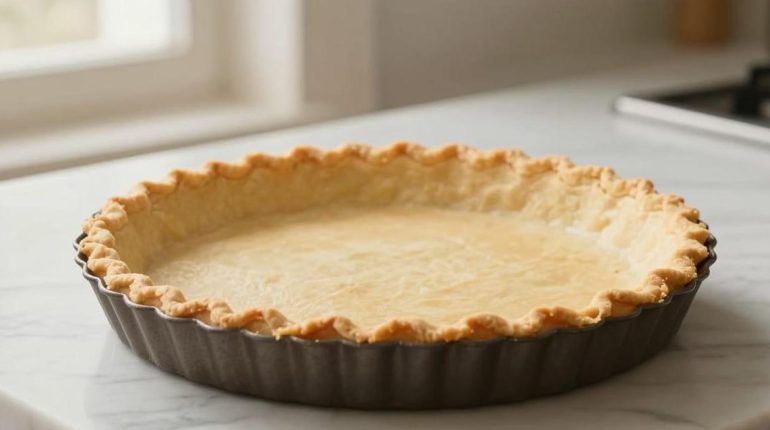
The success of a tart begins with its foundation. The recipe relies on a pre-baked crust, whether artisanal or industrial. This preliminary step is not trivial: it constitutes the rampart against the moisture of the cream which, without this precaution, would quickly turn the dough into a soggy sponge.
The choice between a homemade version and a store-bought product is a matter of personal preference and available time. The essential lies elsewhere: in the complete baking of the crust before any filling. This pre-baking creates a protective barrier that will preserve the crunchy texture even after several hours of contact with the creamy mixture.
Once out of the oven, patience is required. The mold must cool completely before receiving the filling. This strategic wait avoids any thermal shock likely to compromise the structure of the dessert. The cold container then becomes the ideal receptacle for the smooth preparation that will fill it.
This structural base, often neglected by hurried pastry chefs, nevertheless determines the final hold of the dessert. Without this solid and correctly prepared foundation, even the most successful cream will not manage to compensate for the weaknesses of an unsuitable crust.
The Creamy Heart: Preparing the Cream Mixture
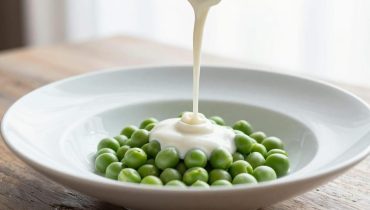
This solid foundation now welcomes the true soul of the dessert: a creamy mixture developed according to a precise formula. The recipe requires 1 cup of softened cream cheese, combined with equal parts of 35% heavy cream and milk. This dairy trinity creates the perfect balance between richness and lightness.
Softening the cream cheese beforehand is not a suggestion but a technical necessity. At room temperature, it incorporates uniformly with the other ingredients without forming stubborn lumps. The addition of ½ cup of granulated sugar brings the required sweetness without masking the complex flavors that will intertwine.
The often underestimated element lies in the 2 tablespoons of cornstarch. This discreet stabilizer transforms a liquid mixture into a structured cream capable of holding without collapsing. It guarantees that characteristic silky texture that differentiates a successful pastry cream from a shapeless mush.
A teaspoon of vanilla extract enhances the whole. This delicate fragrance envelops the taste buds without dominating, creating an aromatic backdrop on which the caramel will soon establish itself as the undisputed star.
The Caramel Signature: The Distinctive Element
This perfectly mastered creamy architecture now calls for its revealing complement: ½ cup of caramel sauce. This precise quantity is not random. It injects the depth of flavor that transforms a classic dairy preparation into a sophisticated gourmet experience.
The recipe offers a welcome freedom: homemade caramel or commercial product. This flexibility democratizes access to a pastry that might seem intimidating. Purists will opt for the artisanal version, with its toasted notes and velvety texture. Hurried cooks will turn to quality industrial sauces, which deliver remarkable results without thermometer monitoring.
This sweet topping does not play a secondary role. It constitutes the very identity of the dessert, that signature touch that radically distinguishes it from traditional vanilla cream tarts. The contrast between the slight bitterness of the caramelized sugar and the milky sweetness creates a captivating aromatic tension.
The integration of the caramel is carried out according to a specific method that preserves its character while harmonizing it with the creamy mixture. This meticulous fusion guarantees a homogeneous distribution of flavors, avoiding areas that are too sweet or too neutral which would unbalance the whole.
The Optional Finish: Decoration and Presentation
The dessert already possesses its full gustatory integrity. However, the recipe offers a final optional element: whipped cream for decoration. This explicit mention of the optional character reveals a pragmatic approach rare in pastry, where garnishes are often imposed as mandatory.
This freedom of customization responds to multiple contexts. A formal dinner will justify artistically arranged whipped cream rosettes. A family snack will be content with the smooth, amber surface of the caramel. Each presentation remains valid, as the structural balance of the tart does not depend on this aesthetic addition.
The whipped cream nevertheless brings an undeniable visual dimension. It contrasts with the golden tones of the caramel, creates relief, and suggests the creaminess of the content. For special occasions, this final touch transforms a delicious dessert into a presentation piece worthy of a professional pastry window.
This modularity illustrates the versatility claimed from the introduction: a dessert “perfect for all occasions.” Sophisticated with its whipped garnish, it adapts to elegant receptions. Sleek in its plain version, it is suitable for daily meals. The gustatory quality remains invariable; only the presentation intention evolves according to the circumstances.