📌 Cracked heels: 5 everyday ingredients (onion, banana, aloe vera) that naturally restore the softness of your feet
Posted 24 March 2026 by: Admin
Causes and Manifestations of Dry Heels
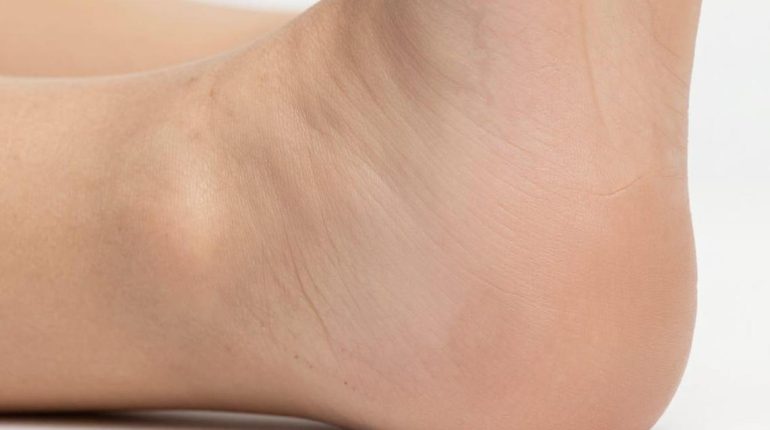
Dry heels affect a large portion of the population, going well beyond simple aesthetic considerations. Dry climate, prolonged standing, excessively hot showers, or repeated wearing of open shoes: all are triggering factors that weaken this particularly stressed area. Discomfort is felt after long days when the skin tightens and cracks.
Faced with this universal problem, expensive treatments are not the only solution. Everyday ingredients offer an accessible and effective alternative. Coconut oil, honey, aloe vera, or lemon: these natural components possess documented moisturizing and regenerating properties. Their regular use allows for the gradual restoration of skin suppleness without significant financial investment.
The key lies in consistency. Natural care applied two to three times a week is enough to observe tangible results. This gentle approach respects the skin’s balance while durably treating the problem at its source. The strategic combination of exfoliating and moisturizing agents optimizes the penetration of active ingredients while eliminating dead skin.
Three Homemade Exfoliating Remedies to Eliminate Dead Skin
This elimination of dead cells is achieved with simple formulas, systematically combining a natural exfoliating agent and a moisturizing component. The onion and sea salt scrub perfectly illustrates this synergy: the onion brings its documented cleansing properties, while the sea salt mechanically removes rough skin. Mixed with a spoonful of coconut oil, these ingredients form a paste to be massaged in a circular motion on the heels for three to five minutes. Application two to three times weekly is sufficient to see progressive smoothing.
The mixture of coconut oil and brown sugar offers a gentler alternative. The sugar granules provide a measured exfoliation that promotes skin renewal without being aggressive. The coconut oil then penetrates the superficial layers of the epidermis, ensuring deep hydration. Some users report visible improvement from the first session: the skin regains suppleness and softness to the touch.
For particularly hardened heels, a lukewarm foot bath is an effective preliminary step. Salt and baking soda dissolved in water soften the callus for fifteen to twenty minutes. The skin thus prepared is better suited for gentle exfoliation with a pumice stone. This technique gradually reveals a regenerated surface, ready to receive the moisturizing care that will maximize the benefits of the complete treatment.
Two Moisturizing Masks for Deep Nourishment
Beyond exfoliation, regenerating heels requires intensive hydration that only nutrient-rich ingredients can guarantee. The banana and honey mask concentrates this effectiveness in an elementary formula: a mashed ripe banana mixed with a spoonful of honey creates a treatment loaded with softening vitamins. Honey, a recognized natural humectant, captures ambient moisture and fixes it in the epidermis. Fifteen to twenty minutes of application are enough for these components to penetrate the superficial layers. The skin literally gorges itself with water, regaining the suppleness that dryness had compromised.
The aloe vera and lemon treatment favors a complementary approach focused on cellular regeneration. Aloe vera deploys its documented soothing virtues while lemon provides a light exfoliating effect that stimulates skin renewal without aggression. Two spoons of aloe gel mixed with the juice of half a lemon form a preparation to be applied for twenty to thirty minutes. This duration optimizes the absorption of active principles. Unlike the banana-honey mask which softens immediately, this formula progressively refines the skin texture.
Alternating between these two treatments, each applied two to three times weekly, allows for targeting hydration and regeneration simultaneously. This dual approach transforms rough heels into smooth surfaces, maintained by simple but decisive preventive habits.
Preventive Strategies for Maintaining Healthy Heels Durably
These natural treatments effectively transform damaged heels, but their effectiveness plateaus without a rigorous preventive routine. Systematic hydration after every bath constitutes the pillar of this strategy: skin that is still slightly damp absorbs emollients better, sealing in moisture before it evaporates. This daily action, often neglected, considerably slows down the epidermal dehydration that leads to cracks.
The choice of socks directly influences skin health. Synthetic materials trap perspiration and create an environment conducive to maceration, while breathable cotton naturally regulates moisture. This textile difference, seemingly trivial, profoundly modifies the foot’s water balance. At the same time, excessively hot water dissolves the protective lipid film of the epidermis: favoring a lukewarm temperature during showers preserves this natural barrier.
Internal hydration plays an underestimated role. Insufficient water consumption is visibly reflected in skin suppleness, with feet often being the first indicators of systemic dehydration. Finally, poorly fitted shoes create recurring friction points that thicken the skin through a defensive mechanism. Adapted footwear distributes pressure uniformly, limiting these stress zones.
These simple habits, integrated progressively, form a highly effective preventive shield. Regularity transforms these minor gestures into lasting results, where occasional care then becomes simple maintenance reminders.