📌 Cooking rice: Replacing water with broth or coconut milk changes everything
Posted 9 January 2026 by: Admin
The Error That Has Been Sabotaging Your Rice Forever
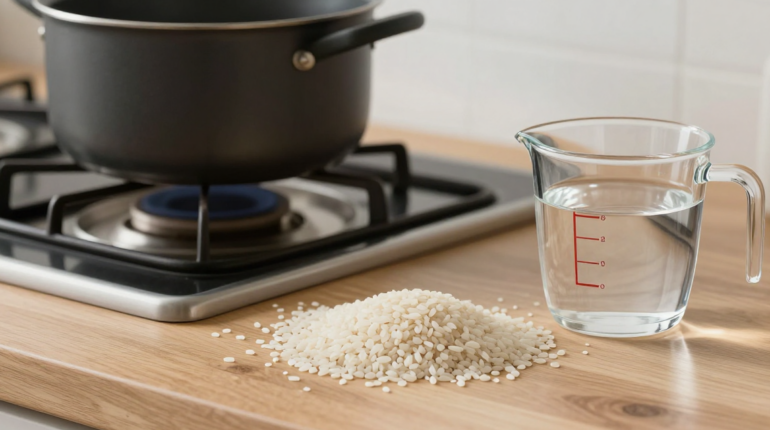
The gesture seems so natural that we never question it: pouring water over the rice, turning on the heat, waiting. Yet, this universal habit constitutes the mistake that robs your rice of all personality. Pure water, although essential for cooking, remains desperately bland. And here is the fundamental principle that no one has revealed to you: rice fully absorbs the flavors of the liquid in which it cooks.
Each grain soaks up the taste of its environment. When this environment is limited to clear water, the result can only be insipid. Your rice then becomes what it should never be: a simple neutral filler, incapable of truly enriching the meal. This characterless base reveals no depth, creates no harmony with the other elements on the plate.
Great chefs have understood this for a long time: rice possesses immense taste potential, provided it is offered an aromatic bath worthy of the name. Transforming this bland cereal into a tasty accompaniment requires only a simple but radical change in your approach. The secret lies not in a complex technique, but in the choice of cooking liquid. This revelation will definitively overturn the way you prepare this daily starch.
The Magic Substitutes That Transform Your Rice
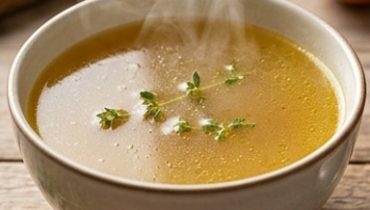
The solution is in your kitchen, more accessible than you imagine. Broth replaces water and instantly transforms ordinary rice into a restaurant-worthy side dish. Chicken, beef, or vegetable: each broth infuses the grains with a savory depth that naturally harmonizes with your roasted meats, grilled vegetables, or simmered stews.
For an even more enchanting texture, substitute water with coconut milk. This variant brings a silky creaminess and a subtle tropical touch that particularly enhances spicy curries and seafood dishes. The rice becomes creamy without being heavy, slightly sweet without being cloying.
Herbs and spices then add their aromatic notes: slip in a bay leaf, a sprig of thyme, a pinch of turmeric, or a cinnamon stick before cooking. These aromatics diffuse their essences while the rice absorbs the liquid, creating layers of complex flavors in every bite.
The ultimate professional technique? Sauté minced garlic and onion in olive oil before adding the rice. This golden aromatic base penetrates each grain, creating a flavorful foundation that radically transforms the final result. A drizzle of olive oil or a knob of butter completes the metamorphosis: the rice gains shine, softness, and the grains remain perfectly separate, never sticky.
The Foolproof Recipe For Perfectly Fragrant Rice
These principles apply concretely with a simple recipe that delivers a guaranteed result. For one cup of rice, count two cups of chicken broth — this classic proportion works every time. Start by rinsing the rice under cold water until the water runs clear: this step removes the superfluous starch that would make the grains sticky.
In a saucepan, heat a teaspoon of olive oil and sauté a minced clove of garlic with a quarter cup of chopped onion until the scents fill your kitchen. Add the rinsed rice and stir to coat it with the flavored oil for one minute — this step seals the grains and intensifies their flavor.
Then pour in the hot broth, stir in a bay leaf, a pinch of salt, and a touch of turmeric for the golden color. Bring to a rolling boil, then cover tightly and reduce to low heat. The secret lies in these fifteen to twenty minutes of simmering without ever lifting the lid: the trapped steam cooks the rice uniformly while it absorbs every drop of fragrant liquid.
When the time is up and all the broth has disappeared, remove from the heat and let rest covered for three minutes. Then fluff gently with a fork to separate the grains — and discover a soft, shiny, intensely aromatic rice that definitively relegates the bland version to the rank of a culinary memory.
Why You Will Never Go Back To Bland Rice
This technique definitively transforms your relationship with cooking rice. What was once a mechanical routine — measuring water, waiting, serving — becomes a true creative opportunity where each grain absorbs the flavors you choose to offer it. Chicken broth to accompany a roast chicken, coconut milk to enhance a Thai curry, fresh herbs to elevate grilled vegetables: every meal calls for its own rice.
The enriched approach elevates this side dish to the rank of a full-fledged taste component. Rather than simply filling the plate, your rice now dialogues with the other ingredients, extends their aromas, balances their textures. A soft grain soaked in broth instantly captures the sauce of a stew; a coconut milk rice elegantly tempers the heat of a spicy dish.
Once you have tasted this difference — this richness that transforms every bite into a complete taste experience — returning to rice cooked in water becomes unthinkable. Your taste buds will refuse this regression towards blandness, and your cooking will gain complexity without significant extra effort. Three added ingredients, fifteen seconds more attention, and your table radically changes dimension. To try it is to definitively adopt this method that makes each grain a vector of pleasure rather than a simple neutral support.