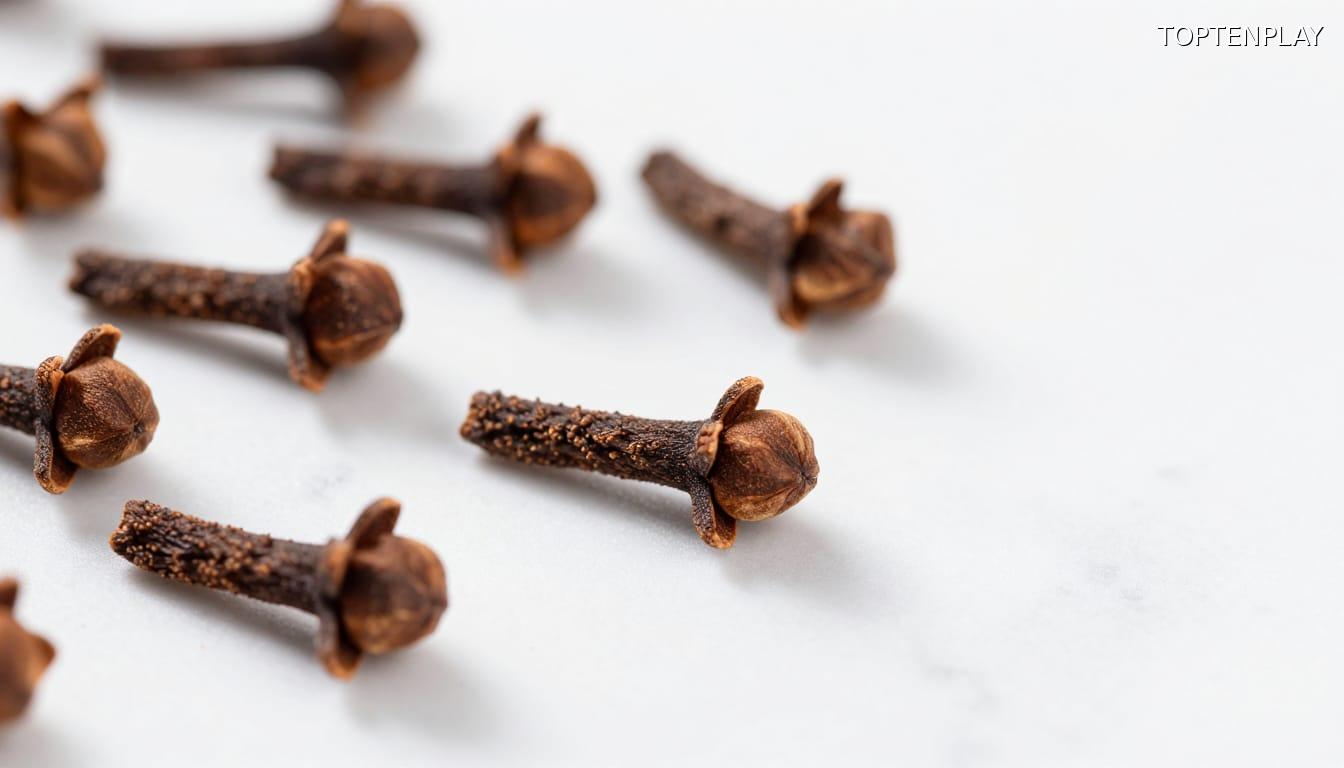
The Clove: A Small Bud With Unsuspected Properties
In our kitchen cupboards lies a therapeutic treasure that is largely underestimated. The clove, this tiny dried flower bud of the Syzygium aromaticum, native to Indonesia, hides an exceptional biochemical composition behind its powerful aroma. Its characteristic scent comes from eugenol, a phenolic compound that accounts for up to 85% of its essential oil composition. But this active principle does more than just flavor our dishes: it deploys antioxidant, anti-inflammatory, and antimicrobial properties documented by scientific research.
For centuries, traditional Asian medicines have exploited these virtues to treat various ailments. Today, modern studies are progressively validating this ancestral use by identifying the precise mechanisms of action of eugenol on the body. This common spice holds an exceptional antioxidant richness, comparable to that of some expensive and exotic superfoods.
The paradox is striking: while we search for sophisticated food supplements, this sentinel of our well-being waits quietly in our kitchen, ready to deliver its benefits for just a few cents. Science is only just beginning to reveal the extent of its potential, particularly in unexpected areas such as cellular protection against aging.
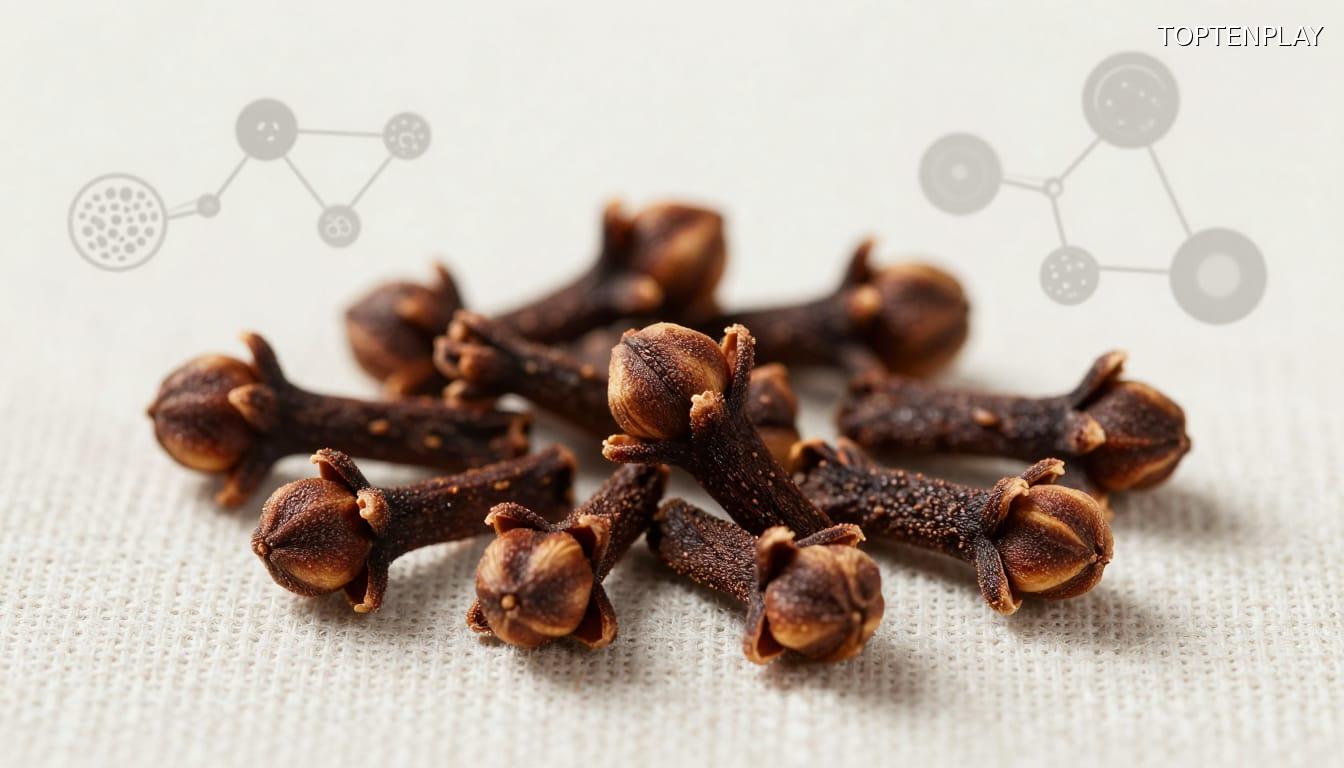
Antioxidant Arsenal: How This Spice Fights Cellular Aging
Cellular protection offered by eugenol is built around a precise mechanism: the neutralization of free radicals. These unstable molecules, generated naturally by our metabolism and amplified by environmental aggressions, progressively damage our cells by oxidizing their essential components. Cloves act as a molecular shield by donating electrons to these free radicals, stabilizing them before they cause irreversible damage. This antioxidant capacity measured in the laboratory surpasses that of many red fruits otherwise recognized for this property.
Beyond oxidative stress, eugenol deploys a documented anti-inflammatory action by inhibiting the production of pro-inflammatory cytokines, those cellular messengers involved in chronic diseases. In vitro studies also demonstrate its antimicrobial properties against several bacterial and viral strains, thus strengthening the body’s natural defenses. This triple action — antioxidant, anti-inflammatory, and antimicrobial — explains why traditional medicines used it empirically against oral infections and digestive disorders.
Science notably validates its effectiveness in oral health: eugenol reduces the proliferation of bacteria responsible for cavities while soothing gum inflammation. On the digestive level, it stimulates the secretion of digestive enzymes and reduces intestinal fermentation that generates bloating. These metabolic benefits even extend to glycemic regulation according to some preliminary research, although additional human studies remain necessary to establish precise therapeutic recommendations. This convergence between ancestral use and scientific validation opens promising perspectives, particularly in the protection of specific tissues that are particularly vulnerable to oxidative stress.
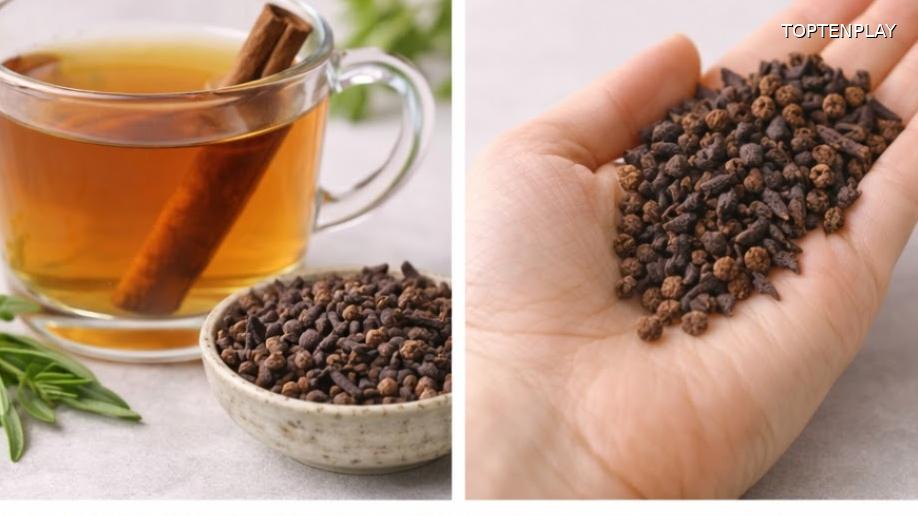
Vision And Cloves: What The First Studies Say
These particularly vulnerable tissues include ocular structures, which are constantly exposed to light and oxygen — two factors that accelerate cellular aging. Exploratory research conducted on animal models reveals that the antioxidant compounds in cloves could reduce oxidative damage in the lens and retina. A laboratory study notably observed a decrease in lens opacification in experimental cataract models, suggesting a protective potential against this pathology affecting millions of people with age.
The supposed mechanism relies on eugenol’s ability to preserve the integrity of lens proteins, whose progressive aggregation causes the loss of transparency characteristic of cataracts. Other in vitro work indicates that clove polyphenols protect retinal cells against oxidative stress induced by blue light, the daily exposure to screens that our eyes now endure. These preliminary results outline a plausible biological link between the consumption of dietary antioxidants and long-term eye health.
However, the scientific community remains cautious: no clinical study in humans has yet demonstrated that regular clove consumption improves vision or prevents eye pathologies. The dosages used in the laboratory differ considerably from usual culinary quantities, and the bioavailability of active compounds in human ocular tissues remains to be established. Cloves are thus part of a global nutritional strategy prioritizing antioxidant-rich foods, without constituting an ophthalmological treatment in themselves. This distinction between potential benefit and established therapeutic proof guides practical recommendations for integrating this spice into daily life without creating unrealistic expectations.
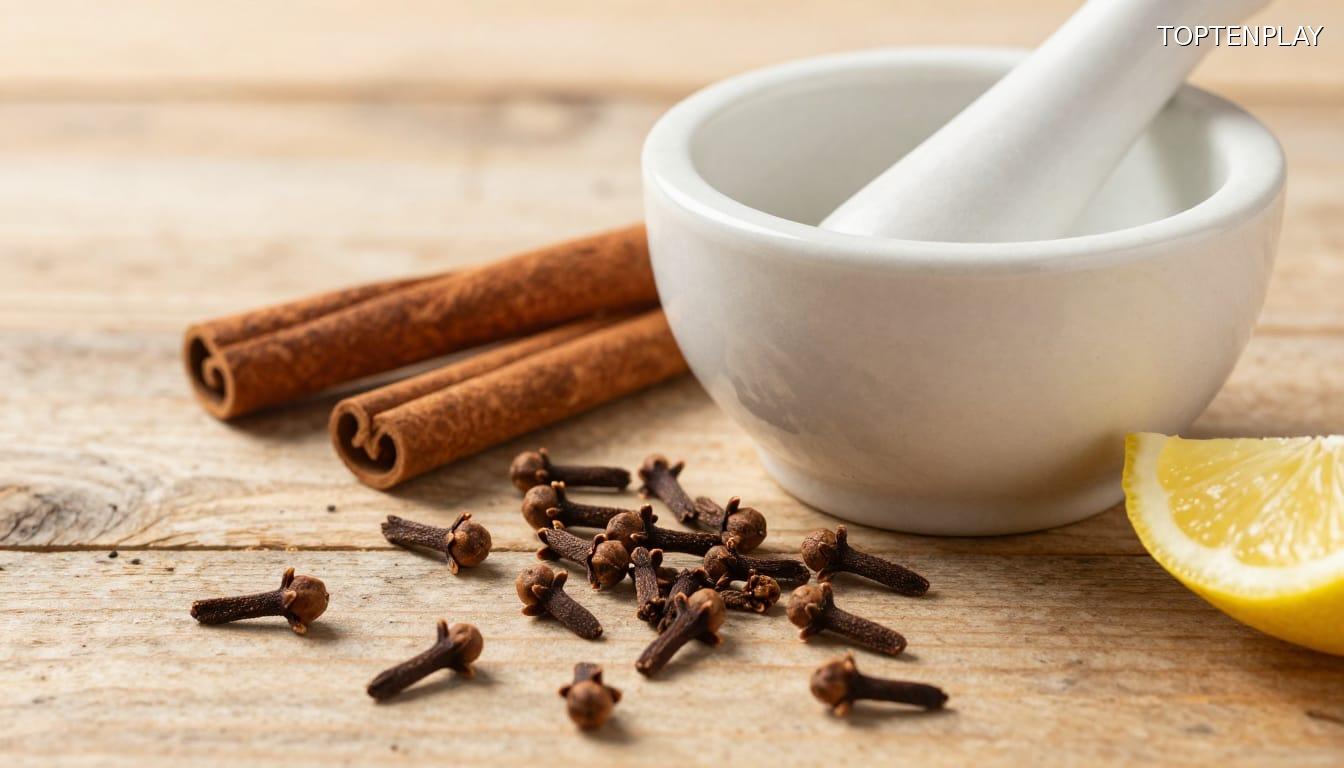
Instructions For Use: Integrating Cloves Into Daily Life Safely
This prevention-based nutritional approach finds concrete expression in three methods of use accessible to everyone. Clove infusion is the simplest way: steeping 3 to 5 whole cloves in 250 ml of boiling water for 10 minutes releases the active compounds without reaching problematic concentrations. Adding cinnamon or lemon strengthens the antioxidant profile while softening the spice’s characteristic aromatic power. This herbal tea is ideally consumed after meals, where it extends the digestive benefits traditionally associated with cloves.
In cooking, a pinch of powder is enough to enrich soups, stews, rice, and pastries without altering the flavor balance of the preparations. Asian and Middle Eastern cuisines have integrated this spice into their daily spice blends for centuries, offering a model for regular use at moderate doses. Some consumers also adopt the practice of chewing a whole clove after meals, an ancestral gesture promoting oral hygiene while facilitating digestion.
Precautions are nevertheless necessary regarding excessive quantities. Clove essential oil concentrates eugenol at levels that can irritate mucous membranes or overload liver metabolism in sensitive individuals. Individuals suffering from liver disorders, pregnant women, and those on anticoagulants should consult a healthcare professional before any regular consumption exceeding standard culinary uses. This millennial spice thus finds its place in a diversified diet, where moderation and variety are the true guarantors of sustainable health.