
Medical Contraindications And Digestive Health Risks
While clove’s culinary appeal is undeniable, its therapeutic potency demands careful consideration for individuals with pre-existing gastrointestinal conditions. The compound eugenol, clove’s primary active agent, presents distinct challenges for vulnerable patient populations requiring medical-grade awareness.
Individuals with gastritis or stomach ulcers face particular risk when consuming clove in concentrated forms. Clove essential oil can intensify gastric irritation, raise acidity levels, and delay ulcer healing by irritating the already-compromised stomach lining. Raw cloves and clove tea on an empty stomach prove especially problematic, triggering burning sensations and exacerbating existing inflammation. This pharmacological effect demands exclusion of these high-potency formulations from therapeutic protocols.
The hepatic system presents another critical consideration. Eugenol undergoes metabolism primarily through the liver, and excessive consumption may impose significant metabolic burden on individuals with pre-existing liver disease. High-dose exposure can elevate liver enzymes, potentially worsen fatty liver conditions, and create genuine toxicity concerns at elevated intake levels. Patients with hepatic dysfunction require absolute avoidance of concentrated preparations.
Acid reflux and GERD sufferers experience similar complications. Clove stimulates gastric acid production, triggering worsening heartburn, chest burning sensations, and esophageal irritation. Raw clove and clove tea present the greatest risk for this population.
These gastrointestinal and hepatic contraindications underscore a fundamental principle: natural ingredients possess potent biological activity requiring the same medical scrutiny as pharmaceutical interventions. Understanding these mechanisms reveals why certain patient populations must restrict or eliminate clove consumption entirely.

Cardiovascular And Hematological Concerns
Beyond gastrointestinal vulnerabilities, clove presents significant cardiovascular and coagulation risks that demand equally rigorous clinical attention. The eugenol compound responsible for clove’s digestive effects operates through a distinct pharmacological mechanism affecting blood-clotting systems—a concern particularly acute for patients with existing hematological conditions or those requiring anticoagulant therapy.
Eugenol demonstrates documented blood-thinning properties that increase bleeding tendency across multiple physiological pathways. Individuals with hemophilia, thrombocytopenia, or Von Willebrand disease face heightened risk of spontaneous hemorrhage, nosebleeds, and excessive bruising from even minor trauma. These bleeding disorders create absolute contraindications for clove consumption, as the compound compounds existing coagulation deficiencies.
Pharmaceutical interactions elevate risk substantially. Patients taking warfarin, aspirin, clopidogrel, or heparin encounter dangerous potentiation effects when combining these anticoagulant medications with clove. The synergistic blood-thinning action may precipitate internal bleeding, hematuria, gastrointestinal hemorrhage, or prolonged bleeding from minor wounds. Medical supervision proves mandatory before clove introduction in these patient populations.
Surgical and procedural contexts require particular vigilance. Clove consumption in the perioperative period—before or after procedures—amplifies bleeding complications and compromises hemostasis management. Anesthesiologists and surgeons must account for eugenol’s anticoagulant effects when assessing bleeding risk.
This hematological profile underscores why clove demands the same pharmaceutical scrutiny applied to prescription blood-thinners. The distinction between culinary spice and therapeutic agent fundamentally collapses when patient vulnerability intersects with pharmacological potency.
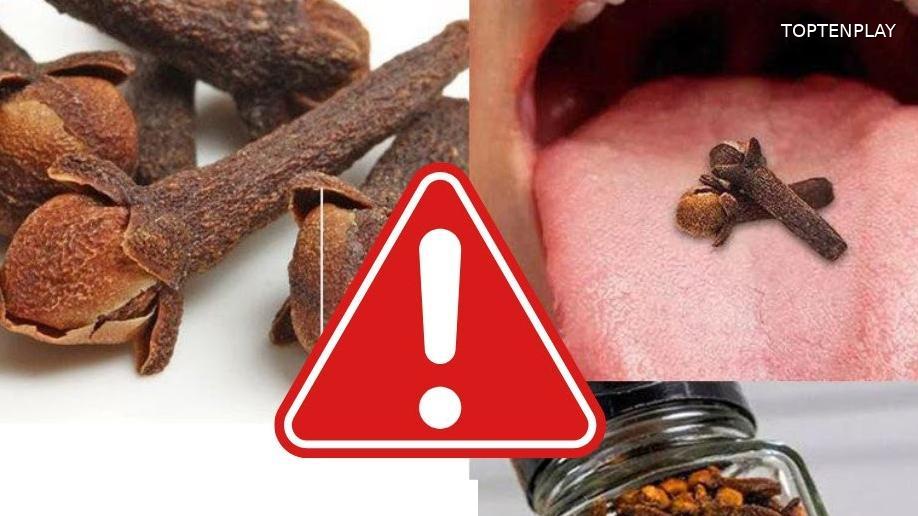
Maternal, Pediatric And Vulnerable Populations
The contraindication profile expands dramatically when examining reproductive and developmental populations, where clove’s pharmacological potency creates risks disproportionate to culinary applications. Pregnant women face fundamentally different safety parameters than the general population, with high-dose clove consumption—concentrated teas, oils, or supplements—presenting documented uterine stimulation risks that threaten pregnancy viability.
Early pregnancy represents the critical vulnerability window. Concentrated clove preparations may trigger abnormal uterine contractions, elevating miscarriage risk through mechanisms involving eugenol’s smooth muscle effects. Beyond reproductive hazards, maternal gastrointestinal irritation and nausea compound pregnancy-related distress, while dermal absorption of clove oil raises fetal developmental concerns inadequately studied in clinical literature. Small culinary quantities remain generally tolerated, but therapeutic dosing demands absolute avoidance during gestation.
Breastfeeding introduces secondary transmission pathways. Clove extracts and essential oils penetrate breast milk composition, potentially delivering bioactive compounds to infants whose hepatic metabolism and pharmacokinetic systems remain developmentally immature. Documented risks include digestive discomfort, irritability, and allergic sensitization—complications for which safety data remains insufficient.
Children under twelve face the most severe formulation-specific hazards. Clove essential oil represents extreme toxicity risk in pediatric populations, with documented adverse events including oral and pharyngeal burning, seizures, hepatotoxicity, and respiratory compromise. These neurological and hepatic injuries occur at concentrations tolerated by adults, reflecting children’s metabolic vulnerability and blood-brain barrier permeability.
Hypoglycemic individuals encounter distinct metabolic risk. Clove’s documented glucose-lowering effects precipitate dangerous hypoglycemic episodes—dizziness, diaphoresis, tremors, syncope—particularly in patients combining clove with insulin or antidiabetic medications. This drug-nutrient interaction demands preemptive clinical assessment before introduction.

Allergic Reactions And High-Risk Formulations
The transition from vulnerable populations to broader safety considerations reveals a critical intersection: formulation intensity directly determines contraindication severity. While demographic vulnerabilities create absolute contraindications, allergic susceptibility and concentrated preparation risks amplify exposure danger across all demographics, rendering certain clove formats inherently problematic regardless of health status.
Allergic reactions manifest through immediate and delayed hypersensitivity mechanisms. Acute presentations include oral mucosal edema, pharyngeal swelling, urticaria, and respiratory compromise—potentially progressing to anaphylaxis in severe cases. Cardiovascular manifestations such as palpitations and syncope indicate systemic involvement requiring emergency intervention. Cross-reactivity patterns emerge with structurally related spices: individuals sensitized to cinnamon, nutmeg, or bay leaf frequently demonstrate eugenol-mediated allergic responses to clove, suggesting shared immunogenic epitopes across the Myrtaceae family.
Formulation concentration directly correlates with toxicity potential. Clove essential oil for internal consumption represents pharmaceutical-grade potency—typically 50-70% eugenol concentration—creating overdose risk absent from culinary applications. Tinctures, alcohol-based extracts, and encapsulated supplements amplify bioavailability and absorption kinetics, bypassing the natural buffering mechanisms of whole-food consumption. Conversely, moderate culinary use and diluted clove tea (1-2 weekly servings) demonstrate favorable safety profiles in immunologically competent, systemically healthy adults without hepatic, gastrointestinal, or hematological compromise.
This distinction between therapeutic formulations and dietary applications establishes the fundamental principle underlying evidence-based clove consumption: safety emerges not from the spice itself, but from intelligent application parameters aligned with individual risk stratification and preparation methodology.